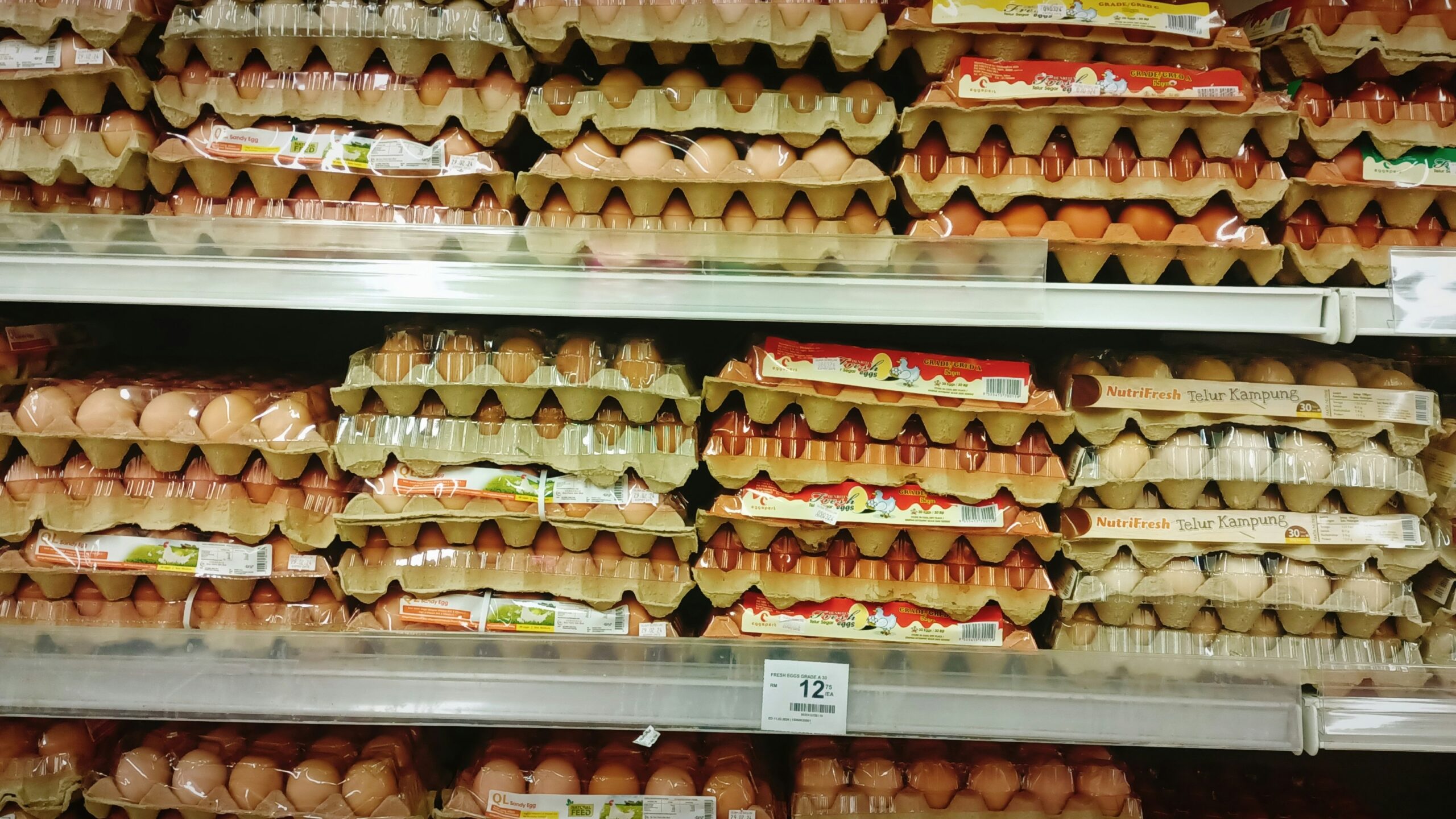
American grocery shoppers are catching a break on one of the most volatile staples in the supermarket aisle. The price of a dozen Grade A large eggs has dropped roughly 39.2 percent over the past 12 months, according to the Bureau of Labor Statistics Consumer Price Index release for April 2026. That reversal follows a punishing stretch of elevated costs tied to avian influenza outbreaks that decimated commercial laying flocks across the country, and it signals a meaningful shift in household food budgets heading into summer 2026.
Falling wholesale costs and what they mean for shoppers
The speed of this decline matters because egg prices became a flashpoint for food inflation during 2025. Families that saw per-dozen prices climb past $4 and higher in some regions are now paying substantially less. The April 2026 CPI data, detailed in the latest consumer price report, pins the 12-month drop at 39.2 percent, one of the steepest year-over-year declines for any single grocery item in the index.
That retail relief traces directly back to wholesale markets. The USDA Economic Research Service has documented how retail egg prices track wholesale values with a short lag, and both have been falling as layer flocks recover from earlier avian influenza losses. Weekly shell egg reports from the USDA Agricultural Marketing Service confirm easing supply constraints across multiple regions, which has pushed wholesale quotes steadily lower. As more eggs move through the supply chain without bottlenecks, supermarkets have greater room to cut shelf prices and run promotions.
A key question is whether these lower wholesale and retail prices will translate into a measurable rebound in commercial egg inventories over the next two quarters. If producers respond to stabilizing flock numbers by rebuilding stock rather than trimming output, inventory data from USDA should reflect that within months. But that outcome depends on whether avian influenza stays contained through fall migration season, a variable no government forecast currently addresses in the cited primary releases. Producers and retailers therefore remain cautious about assuming today’s prices will hold indefinitely.
BLS and USDA data behind the 39.2 percent drop
Two independent government data streams anchor the headline claim. The BLS average price series for Grade A large eggs per dozen, available in the CPI price tables, provides monthly dollar-level readings that show the cost sliding from elevated 2025 peaks. The pattern is clear: after spiking amid disease-related supply shocks, prices have retreated toward pre-outbreak levels.
The same underlying figures are redistributed through the Federal Reserve Bank of St. Louis, whose FRED series on egg prices corroborates the direction and magnitude of the decline in per-dozen costs across U.S. city averages. The two sources move in lockstep because they draw from the same BLS survey data, but they offer different tools for analysts: the BLS tables emphasize official averages, while the FRED interface makes it easier to visualize turning points and compare eggs with other grocery categories.
On the supply side, the USDA ERS chart of note on egg prices ties the retail price trajectory to two forces: declining wholesale values and the gradual recovery of laying hen populations after avian influenza culling. The AMS weekly combined regional shell egg report adds granular market-level detail, showing that supply and demand conditions have loosened enough to sustain lower prices rather than producing brief, one-off dips. Together, these datasets form a consistent picture. Wholesale prices fell first, retail followed, and the gap between the two has narrowed as the supply shock receded. The 39.2 percent figure is not a projection or estimate; it is a measured change published in the official CPI release covering the 12 months through April 2026.
Open questions about flock recovery and future volatility
Several gaps in the public record limit how far anyone can project this trend. No official USDA or BLS release in the current dataset offers a forward-looking forecast for egg prices, and neither agency provides a definitive timetable for full flock restoration after the latest wave of avian influenza. While both document the scale of past losses and the subsequent rebuilding of hen numbers, they stop short of predicting how producers will respond if prices remain subdued.
That leaves economists and industry analysts to infer likely scenarios from the behavior of past cycles. When disease pressure eased in earlier outbreaks, producers eventually expanded flocks, which increased supply and helped keep prices in check until the next shock. If a similar pattern unfolds in 2026, today’s lower prices could persist long enough to reset consumer expectations and ease some of the strain on household food budgets.
At the same time, eggs remain vulnerable to sudden swings. Avian influenza can re-emerge with seasonal bird migrations, and even localized outbreaks can ripple through national pricing if they affect major producing states. Feed costs, energy prices, and labor conditions also shape what consumers ultimately pay at the register. None of those variables are fully captured in the CPI egg series or the weekly shell egg reports, which focus on observed prices and volumes rather than the broader cost structure.
For now, the available data agree on one point: egg prices have fallen sharply from their recent highs, delivering tangible relief on a staple item for millions of households. How long that relief lasts will depend less on the statistics already published and more on the biological and economic forces that the next round of reports has yet to record.