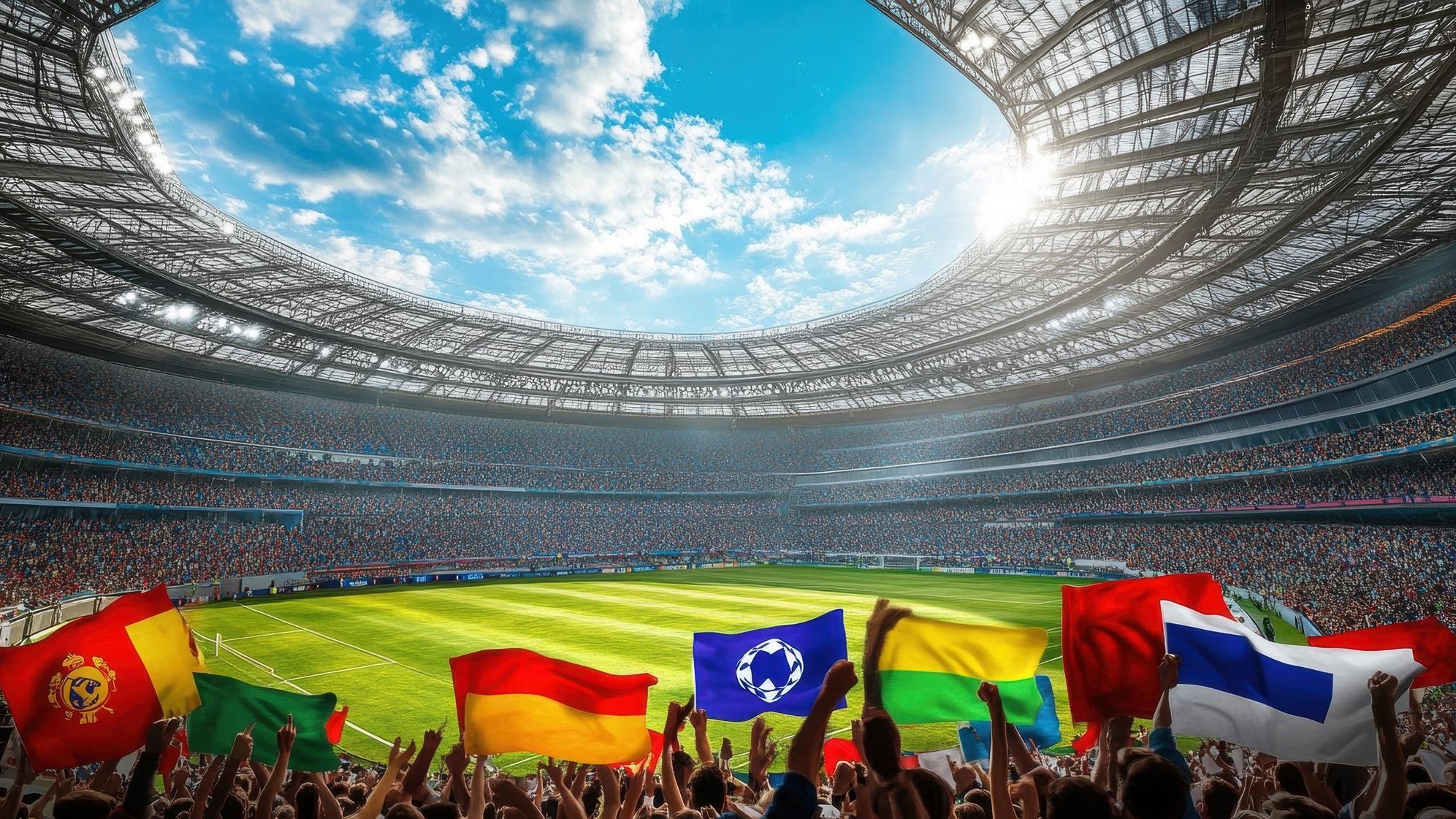
American soccer fans hoping to watch the U.S. men’s national team open the 2026 FIFA World Cup on June 12 face a steep entry fee: $1,940 for a single upper-deck ticket at face value. FIFA quietly added a new pricing tier for the match, and the sticker shock has drawn attention from Congress, sports analysts, and supporters who expected a home tournament to be more accessible.
FIFA’s new price tier and the $1,940 barrier
FIFA created a “front Category 2” ticket band for the U.S. opener that did not exist in earlier sales phases. According to one Washington Post report, the front Category 2 range for that match runs from $1,940 to $2,330. The price increase was not limited to the opener. FIFA implemented broader ticket-price hikes across the tournament, including for the final, as ESPN noted. The changes appeared on FIFA’s sales portal without a broad public announcement, catching many prospective buyers off guard.
The $1,940 figure sits in what FIFA classifies as an upper-tier seat, not a premium lower-bowl position. For context, that price exceeds the cost of many NFL playoff tickets and rivals face-value pricing for major concert tours. A family of four would need to spend roughly $7,760 before travel, food, or lodging just to sit in the upper deck for a group-stage match on home soil.
FIFA has not provided a detailed public explanation for why the opener and certain other matches were singled out for the new tier. The organization has long used category-based pricing that varies by stadium, stage of competition, and seat location. However, the introduction of an additional, more expensive subcategory within an existing band for a single marquee game has fueled a perception that the host nation’s fans are being treated as a premium market rather than as a core audience.
The new structure also complicates fans’ efforts to compare prices over time. Early phases of sales suggested one level of cost for Category 2 seats, only for later windows to reveal a more expensive option within the same label. That has left some supporters feeling misled, even if FIFA technically reserved the right to adjust pricing in its terms and conditions.
Congressional scrutiny of FIFA’s pricing decisions
The pricing drew a formal response from Capitol Hill. Representatives Nellie Pou and Frank Pallone Jr. issued an official press release demanding answers from FIFA about its ticketing process and pricing structure. Their inquiry focused on transparency, specifically how prices are set and whether dynamic adjustments occur without notice. The letter signals that elected officials view the pricing as a consumer-protection concern, not just a market-driven outcome.
Among other questions, the lawmakers asked whether fans were adequately informed about potential price changes between sales phases, and how FIFA monitors third-party resellers that may benefit when official prices climb. By framing the issue as one of fairness and clarity rather than simply supply and demand, the letter hints at possible future oversight if the organization does not respond satisfactorily.
FIFA has not publicly released documentation of its dynamic pricing algorithm or the sales-volume data that might justify the new tier. Without that information, fans and lawmakers are left to evaluate the prices based on listed amounts alone, with no visibility into how inventory levels or demand signals feed into real-time adjustments. The lack of transparency also makes it difficult to assess whether the high prices are a deliberate strategy to segment wealthier buyers or a reaction to unexpectedly strong early interest.
Whether high face values slow single-ticket demand
One open question is whether the $1,940 entry point will dampen single-ticket sales compared with prior World Cups. According to analysis from Forbes, Category 2 tickets for the June 12 opener are priced at $1,940 within a variable pricing model, and the outlet identified multiple reasons that sales velocity for U.S. matches could lag despite the team’s popularity and the tournament’s expanded format.
High face values are one factor. Fans accustomed to buying tickets directly from clubs or leagues at relatively stable prices may be reluctant to engage with a system that seems to reward waiting or speculative buying. Others may simply decide that watching at home or in fan zones is a better value, especially when travel and accommodation costs are added.
At the same time, there are signs of persistent demand at the very top of the market. Premium hospitality packages and lower-bowl seats for select matches have moved briskly, suggesting that FIFA’s strategy may be to maximize revenue from a smaller pool of high-spending attendees while relying on global television audiences to deliver reach. Reporting from NBC Los Angeles underscores that the new, more expensive categories are aimed squarely at those willing to pay a premium for proximity and status.
Whether that approach ultimately backfires will become clearer as additional sales phases open and the tournament draws closer. If large blocks of inventory remain unsold, FIFA could face pressure to adjust prices or release discounted tickets, which would raise new questions about fairness to early buyers. For now, the $1,940 upper-deck seat has become a symbol of a World Cup that, for many American fans, feels further out of reach than they imagined when the tournament was first awarded.