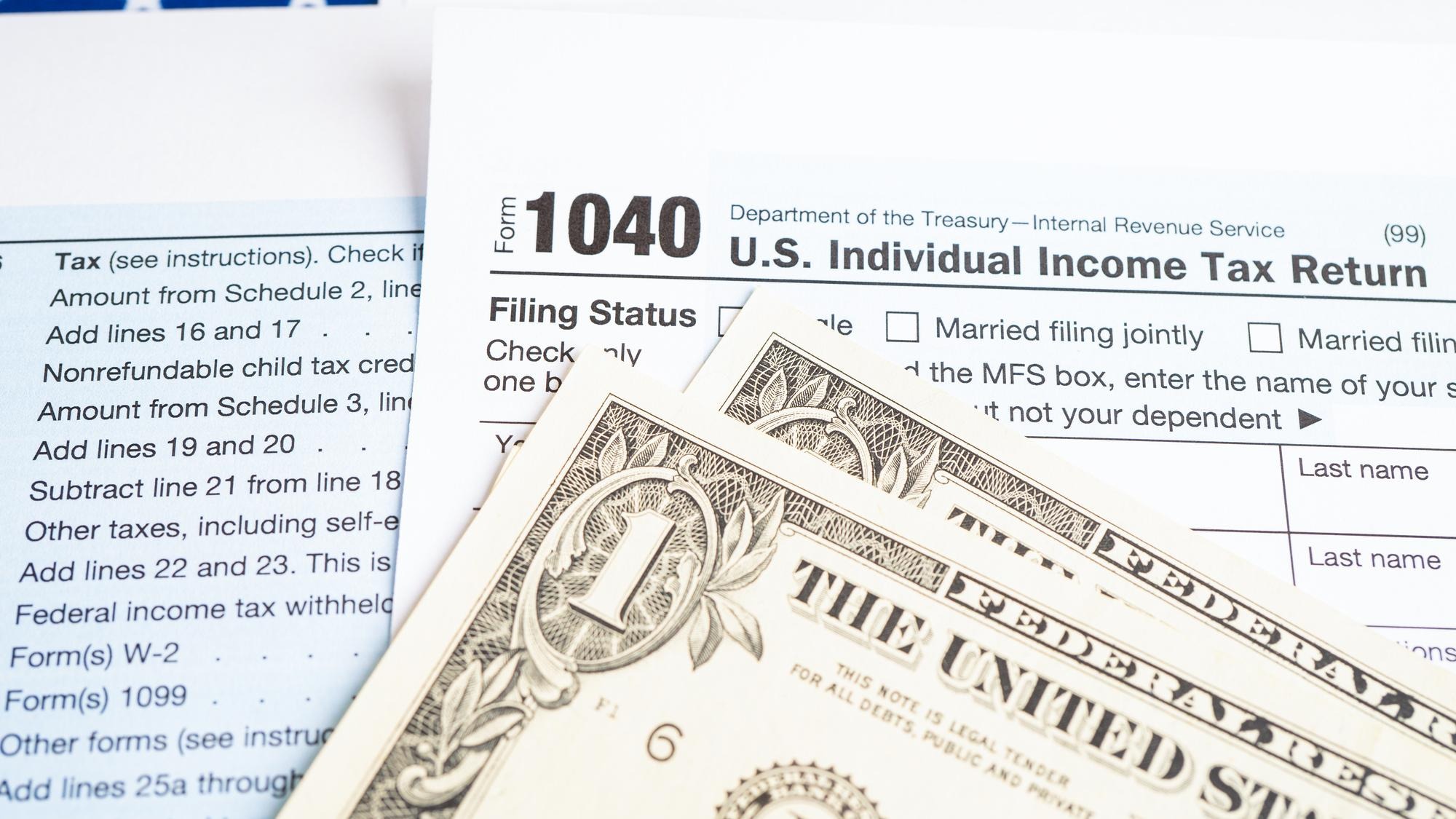
U.S. citizens and resident aliens living outside the country face a hard deadline next Monday, June 15, to file their 2025 federal income tax returns. The date applies to calendar-year filers whose tax home and abode were outside the United States and Puerto Rico on April 15, 2026, the standard filing deadline. While the two-month window from April to June may seem generous, the extension covers only the filing obligation. Any taxes owed were still due on April 15, and interest has been accruing since that date for anyone who did not pay in full.
Why the June 15 abroad deadline carries real financial risk
The automatic two-month extension exists under Treasury regulation 1.6081-5, which grants extra filing time to qualifying taxpayers without requiring them to submit a formal request. But the relief is narrow. The IRS has repeatedly stated that an extension provides extra time to file, not extra time to pay. That distinction trips up many filers abroad who assume the June date also postpones their payment obligation. It does not. Interest on unpaid balances began running on April 15, and late-payment penalties can stack on top of that.
The fixed June 15 cutoff also creates a tighter psychological window than many expats expect. Domestic taxpayers who miss April 15 often file for a six-month extension to October almost reflexively. Expats, by contrast, receive their two-month cushion automatically but must take a separate step, filing Form 4868 or using e-file, to push the deadline further. Anyone who has not yet filed and does not act before Monday will face both late-filing penalties and continued interest charges.
IRS rules and documentation behind the abroad extension
The agency’s guidance for Americans overseas is consolidated in Publication 54, which explains that both the filer’s tax home and their closer connection, or abode, must be outside the United States and Puerto Rico on the regular April due date. Meeting only one condition is not enough. A taxpayer who works abroad but maintains a primary household in the United States, for example, may not qualify for the automatic June extension even if they are physically overseas on April 15.
In addition, the IRS expects taxpayers claiming the automatic two-month extension to include a brief statement with the return indicating that they meet the conditions of Treasury regulation 1.6081-5(a). That expectation is reiterated in the agency’s extensions FAQ, which also clarifies that penalties for filing late can be waived when a taxpayer reasonably relied on the automatic extension rules but still files by the June deadline.
Publication 17, the IRS general tax guide for 2025, lists April 15, 2026 as the standard due date for calendar-year returns and June 15, 2026 as the abroad extended filing date for qualifying taxpayers. Last year, the agency adjusted the deadline to Monday, June 16, 2025 because June 15, 2025 fell on a Sunday. This year, June 15 lands on a Monday, so no weekend shift applies. That means there is no additional cushion for taxpayers who wait until the last minute, and electronic filing systems are expected to treat any submission after midnight local time as late.
How to secure more time beyond June 15
Filers who need more time beyond June 15 can request an additional extension to October 15 by submitting Form 4868 electronically or by mail. For taxpayers abroad, the IRS describes this process in its page on automatic 6‑month extensions, emphasizing that the request must be made on or before the June deadline. If the form is filed after that date, it does not retroactively protect the taxpayer from late-filing penalties.
Crucially, this second extension, like the initial automatic one, applies only to the act of filing. It does not extend the time to pay any tax due for 2025. Taxpayers who expect to owe are generally advised to make a good-faith payment with their extension request, based on a reasonable estimate of their liability. Doing so can reduce or eliminate late-payment penalties, even if the final return shows a slightly higher amount owed. Those who ultimately discover they have overpaid can claim a refund when they file the completed return.
Practical steps for expats racing the clock
For Americans abroad who have not yet filed, the days before June 15 are an opportunity to triage. Taxpayers with relatively simple financial situations-such as a single foreign employer and no self-employment income-may be able to file a complete return by the deadline, especially using commercial software that supports foreign income exclusions and foreign tax credits. Those with more complex circumstances, including multiple countries of residence, foreign business interests, or significant investment income, may be better served by filing Form 4868 now to avoid late-filing penalties while they assemble accurate information.
Regardless of complexity, the key is to treat June 15 as a firm line. Filing by that date preserves the benefit of the automatic extension and keeps the focus on managing any payment shortfall, where interest and penalties are generally smaller if taxpayers act quickly. Missing the deadline, by contrast, can trigger a cascading set of charges that make an already stressful filing season even more costly for Americans living overseas.