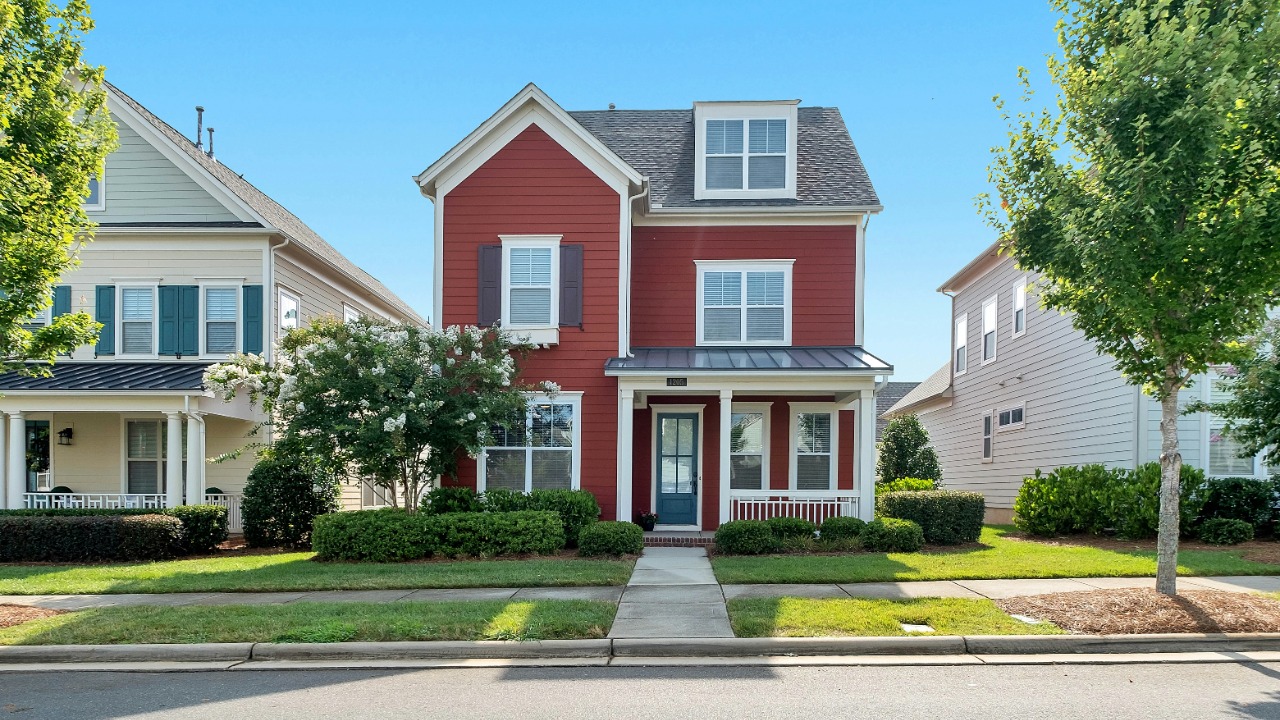
Homebuyers entering the spring 2026 market are finding more options on the shelf and more sellers willing to negotiate on price. Active listings of homes for sale have now risen for a 30th consecutive month, extending the longest streak of inventory growth since the post-pandemic freeze began to thaw. At the same time, a growing share of those listings carry reduced asking prices, a sign that sellers are recalibrating expectations while mortgage rates hover near 6.4 percent and consumer affordability concerns remain elevated.
Rates above 6 percent and rising inventory squeeze seller pricing power
The tension in the housing market right now sits at the intersection of two forces pulling in opposite directions. Inventory keeps climbing, which should help buyers. But borrowing costs remain high enough to keep many of those buyers on the sidelines, which strips sellers of the leverage they enjoyed when listings were scarce.
The average 30-year fixed mortgage rate eased to 6.36 percent in its first weekly decline after two consecutive increases. That modest dip offers little relief for households already stretched by years of price appreciation. Homes sit longer, and sellers who listed at aspirational prices earlier in the spring are now forced to cut. Realtor.com tracks the share of active listings carrying price reductions, and that metric has been trending upward alongside the inventory gains.
The University of Michigan’s consumer surveys continue to reflect deep unease about housing costs. The school’s April 2026 report, titled “Spring Market Weathers Economic Uncertainty,” captures a buying public that remains cautious despite the added supply. When affordability sentiment stays weak and rates hold above 6 percent, the math for sellers gets harder. Listings accumulate, days on market stretch, and price cuts become the primary tool to attract offers.
Realtor.com data and Freddie Mac rates anchor the 30-month trend
Two datasets form the backbone of this story. Freddie Mac’s weekly rate survey, reported through wire coverage, establishes the cost-of-borrowing environment. The 6.36 percent reading confirms that rates have barely budged from the range that has defined the market for much of the past year. Buyers who waited for a meaningful drop have not gotten one, and many are recalculating what they can realistically afford rather than holding out for sub-6 percent loans.
Realtor.com’s monthly housing data, meanwhile, provides the inventory and price-cut share figures that document seller behavior. The platform’s tracking shows more owners choosing to lower their asking price rather than pull a listing and wait. That pattern tends to accelerate when homes linger past the first few weeks without serious offers, a dynamic that becomes self-reinforcing as buyers sense they can afford to be patient.
The hypothesis that price cuts will keep rising as long as rates stay above roughly 6.3 percent and affordability anxiety persists has real grounding in recent data. Each month that inventory grows without a matching uptick in closed sales adds pressure on the price-cut share. Sellers who listed in late winter expecting bidding wars are now competing with a deeper pool of alternatives, and many are adjusting downward within weeks of going live. In markets where new construction has also ramped up, that competition is even more acute, further weakening the ability of individual sellers to hold firm on price.
Missing pieces in the 30-month inventory picture
Several gaps in the available data limit how far conclusions can be drawn. No primary inventory series captures every type of listing with perfect accuracy, and different providers may classify “active” homes in slightly different ways. Off-market sales, private listings and new-build homes that never hit the open multiple-listing services can all distort the apparent balance between supply and demand. As a result, the 30-month streak of rising inventory should be read as a strong directional signal rather than a precise count of every home available.
There is also limited visibility into how many current listings are from would-be sellers testing the market versus owners who must move because of life events or job changes. The motivation behind a listing matters for pricing power: discretionary sellers can withdraw if offers disappoint, while those facing a deadline are more likely to cut aggressively. Without consistent data on seller urgency, analysts must infer intent from patterns such as days on market and the timing of price reductions.
Regional variation further complicates the picture. National averages blend together fast-moving, supply-constrained metros with areas where inventory has ballooned and demand is soft. In some Sun Belt and Midwestern markets, the combination of higher mortgage rates and a surge of new listings has produced a clear tilt toward buyers, with frequent price cuts and seller concessions. In coastal cities with chronic undersupply, by contrast, the same rate environment may translate into slower price growth rather than outright declines. Policymakers and local planners looking to these national statistics for guidance should be cautious about assuming a one-size-fits-all narrative.
Finally, the interaction between sentiment and hard data is difficult to quantify. The University of Michigan’s surveys capture how consumers feel about housing affordability, but they do not directly measure who will ultimately buy at prevailing prices and rates. Some households reporting pessimism may still transact if they face a pressing need, while others may delay homeownership for years. That gap between stated attitudes and actual behavior means the current mix of rising inventory, sticky mortgage rates and elevated anxiety could resolve in several ways: a gradual cooling with modest price adjustments, a sharper correction in overheated submarkets, or a prolonged stalemate in which both buyers and sellers compromise only slowly.
For now, the clearest takeaway is that the era of automatic seller dominance has ended. With inventory climbing for 30 straight months and price reductions becoming more common, buyers who remain in the market have regained some leverage, even if higher borrowing costs limit how far their dollars stretch. Sellers, in turn, are learning that realistic pricing and flexibility on terms matter more than ever in closing the deal.