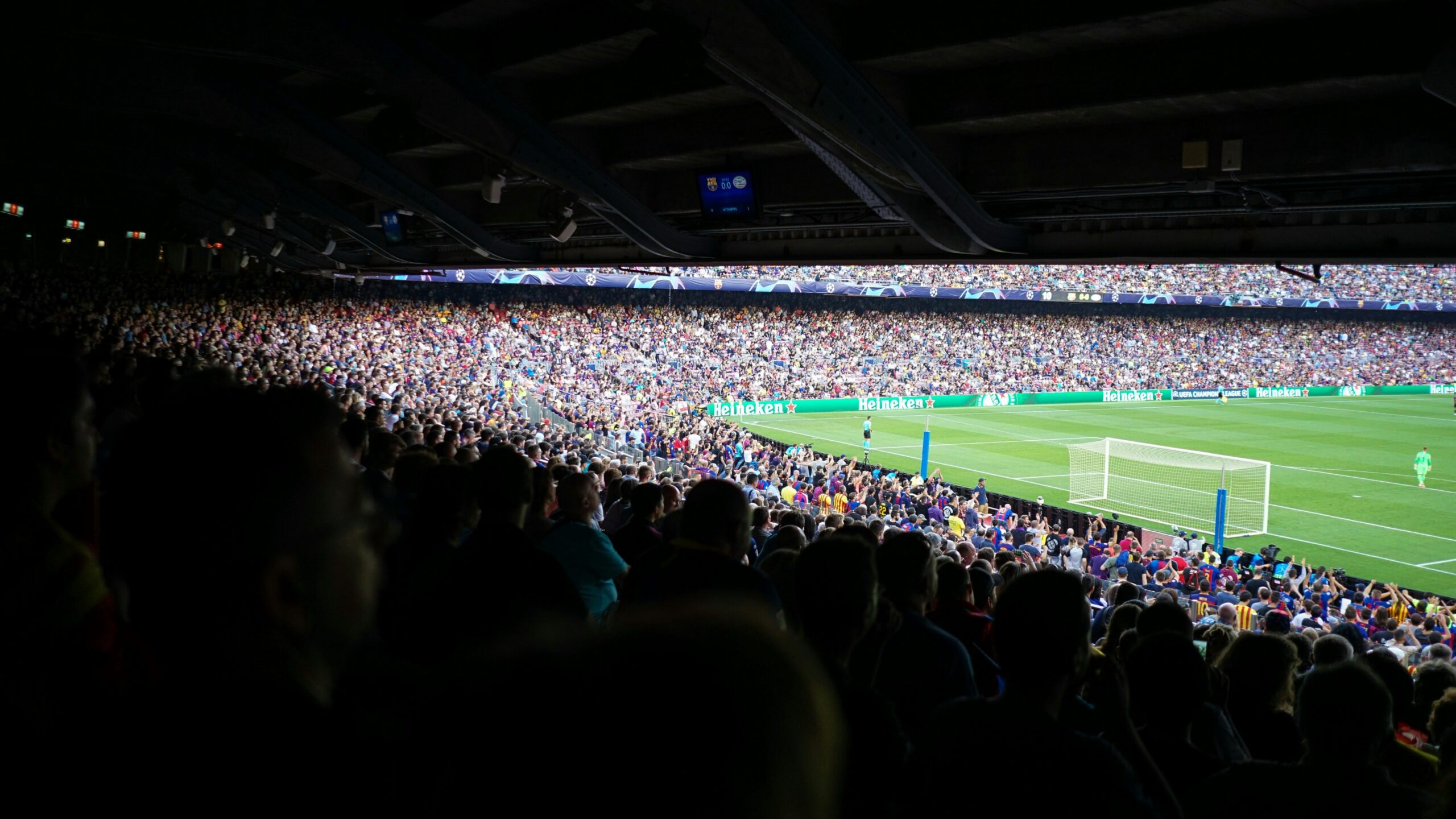
Fans hoping to attend the 2026 FIFA World Cup are finding that patience on the secondary market may pay off. According to Gametime marketplace data reported by Yahoo Sports, just over half of group-stage matches have seen resale ticket prices drop by 20% or more, with some seats available for roughly $157, fees included. The declines arrive against a backdrop of aggressive primary-market pricing from FIFA, which set the top ticket for the final at $10,990 while simultaneously introducing a new budget tier that has proven difficult for most buyers to access.
Softening resale prices expose a demand gap in group-stage matches
The secondary-market slide is not spread evenly across the tournament. The steepest drops, according to Gametime data cited by Yahoo Sports, are concentrated in group-stage contests, the earliest and most plentiful round of the 72-match tournament. That pattern suggests FIFA’s initial pricing assumed a level of star-power demand that has not materialized for matchups between lower-profile national teams. When tickets were first listed during a sales reopening, only 17 of those 72 group-stage matches had inventory available, a sign that FIFA itself was rationing supply rather than flooding the market.
Gametime displays all-in pricing that includes fees, meaning the roughly $157 floor figure reflects the actual cost a buyer would pay. That transparency makes the decline easier to measure. For comparison, FIFA raised its most expensive tickets for the final to $10,990 during the same sales window, a figure that applies to premium seating at the championship match. The gap between a $157 group-stage seat and a five-figure final ticket illustrates how sharply demand varies by round and matchup, and how wide the gulf has become between casual fans and the most coveted inventory.
The softening prices also hint at how sensitive demand can be to schedule details and travel logistics. Many group-stage fixtures involve teams without large traveling fan bases in North America, or are scheduled in midweek slots that require extra time off work. For those matches, sellers who initially listed tickets at aspirational prices are now cutting asking amounts to attract buyers, especially as hotel and airfare costs eat into supporters’ overall budgets.
FIFA’s pricing architecture and the $60 tier that few can reach
FIFA introduced a new lower-cost ticket tier for the 2026 tournament, framing it as a way to broaden access. According to reporting in The Washington Post, the cheapest tickets under that program were priced at $60, but only a small number were made available, and distribution ran through national football associations rather than open public sale. That structure limited who could actually buy at the lowest price, creating a disconnect between the announced floor and what most fans encountered on either the primary or secondary market.
Supporters in host cities have described a kind of two-track system. On one track, a narrow slice of fans with federation connections or membership status can chase the $60 seats, often through opaque application processes. On the other, the broader public faces a marketplace where official face values are far higher and the cheapest realistic option is to wait for secondary prices to cool. The lack of clarity about how many discount tickets exist, and who qualifies for them, has fueled frustration among local fans who expected that hosting the tournament would guarantee some affordable access.
That frustration is amplified by FIFA’s own messaging. Promotional materials have emphasized inclusivity and legacy benefits for North American communities, yet the practical experience for many buyers has been queues, error messages and price points that feel more like luxury entertainment than a global festival. As resale prices for less glamorous matches fall, it underscores how much of the initial pricing appears to have been driven by revenue targets rather than organic demand.
High-end listings highlight the stakes of FIFA’s resale model
On FIFA’s official resale platform, the picture at the top end is starkly different. Four tickets to the World Cup final were listed for more than $2 million each, according to Associated Press accounts of the marketplace. FIFA collects a 15% fee from both buyer and seller on each resale transaction, meaning those listings alone could generate hundreds of thousands of dollars in platform revenue for the governing body if they ever sold. FIFA has defended the model by saying it ensures tickets reach genuine fans, though the seven-figure asking prices complicate that message.
The tension between a $60 official tier with limited supply and a resale market where group-stage seats can fall close to $150 while some final tickets are advertised in the millions captures the contradictions of the 2026 ticketing strategy. For ordinary supporters, the rational move increasingly appears to be patience: avoiding early panic buying, tracking secondary platforms for softening prices, and accepting that the most prestigious matches may simply be out of reach. For FIFA, the coming months will test whether a tournament built on record revenues can also sustain the claim that it is open to the world, not just to those who can afford the steepest prices.