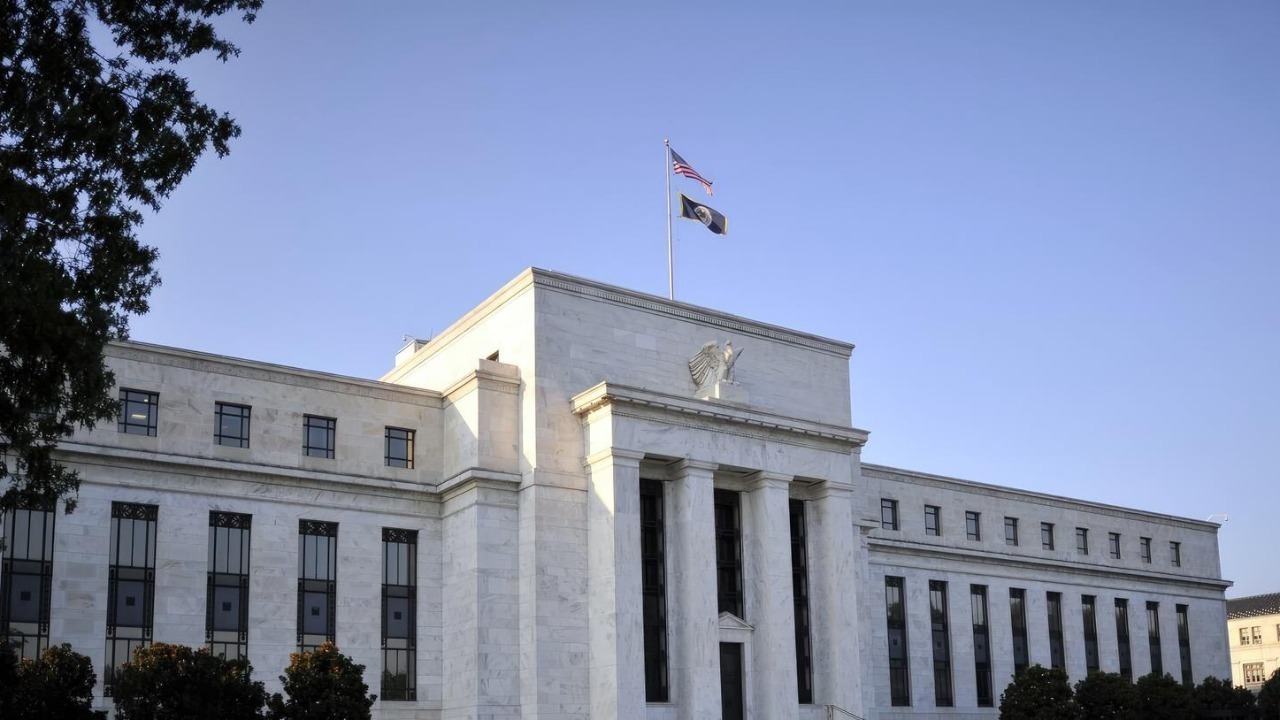
Borrowers hoping for cheaper credit got a clear answer on June 12, 2024: the Federal Reserve held the federal funds target range at 5.25% to 5.50%, citing only “modest further progress” on inflation. Stubborn price growth in shelter and medical care through the first four months of the year left policymakers with no room to ease, and updated projections released the same day signaled that rate cuts once expected for mid-2024 had been pushed further into the future.
Why persistent price growth forced the Fed’s hand in June
The April Consumer Price Index, published by the labor statistics agency, showed shelter and medical-care costs keeping headline inflation elevated well above the Fed’s 2% goal. That report landed just weeks before the June meeting and confirmed that the first-quarter acceleration in prices was not a statistical blip. The Bureau of Economic Analysis separately reported the April PCE price index, the Fed’s preferred gauge, still running above target in its income and outlays release. Together, the two data sets boxed the Federal Open Market Committee into standing pat.
For households carrying variable-rate debt on credit cards, auto loans, or home equity lines, the practical result is straightforward: borrowing costs stayed at their highest level in more than two decades. The Committee’s own language shifted only slightly from earlier meetings, swapping in “modest further progress” where prior statements had been more optimistic. That single phrase told markets the bar for a cut had risen.
The hypothesis that shelter inflation is the key variable to watch has real teeth. If the shelter component of CPI remains above its March 2024 level through the July data release, the September Summary of Economic Projections could show at least one additional 25-basis-point upward revision to the 2025 median federal-funds-rate projection. Shelter carries outsized weight in the CPI basket, and as long as rent and owners’ equivalent rent readings stay hot, the Committee will struggle to claim the “greater confidence” it says it needs before easing.
June projections stripped away expected rate cuts
The June policy statement released on June 12 confirmed the hold and repeated the Committee’s requirement for “greater confidence that inflation is moving sustainably toward 2 percent” before any reduction. The accompanying Summary of Economic Projections, published the same day, told a sharper story. Accessible projection tables from the Board of Governors showed policymakers had revised the median year-end 2024 rate path higher relative to March forecasts, effectively removing expected cuts that had been priced in earlier in the year.
That revision did not happen in a vacuum. Each hotter-than-expected monthly inflation print between January and April chipped away at the case for easing. By the time officials sat down on June 11, the cumulative evidence pointed in one direction: hold rates and wait for clearer improvement. The SEP materials, released alongside the decision, formalized that judgment by penciling in fewer cuts not only for 2024 but also for 2025, signaling a higher-for-longer stance on borrowing costs.
Market reaction reflected this shift. Futures pricing, which at the start of the year had implied several cuts by December, quickly converged toward a scenario with perhaps one or two moves at most, and only if incoming data cooperate. Longer-term yields moved modestly higher as investors digested the idea that restrictive policy could persist well into 2025.
What the Fed’s press conference added
The written materials were reinforced by Chair Jerome Powell’s comments in the post‑meeting briefing. Powell emphasized that the Committee is not looking for perfection in the inflation data but does need several months of broadly reassuring readings before cutting. He acknowledged that policy is already “restrictive” and weighing on interest‑sensitive sectors, yet stressed that the greater risk would be loosening too early and allowing inflation to reaccelerate.
Powell also pushed back against the idea that a single benign inflation report would be enough to change the trajectory outlined in the June projections. Instead, he framed the outlook as a conditional path: if inflation resumes a clear downtrend, cuts remain on the table; if not, the current range could hold even longer than now expected. That conditionality helps explain why the Committee was willing to lift its projected rate path despite leaving the target range unchanged in June.
What it means for borrowers and the broader economy
For consumers, the message is sobering. Credit card APRs, already above 20% for many borrowers, are likely to remain elevated, making it more expensive to carry balances month to month. Prospective homebuyers face mortgage rates that, while off their absolute peaks, still reflect the Fed’s restrictive stance and the market’s belief that cuts will be limited and gradual. Small businesses relying on floating‑rate lines of credit will continue to see higher interest expenses eating into cash flow.
At the macro level, the Fed is betting that the economy can withstand this pressure without tipping into a deep downturn. Growth has slowed from its 2023 pace but remains positive, and the labor market, while cooler, is still generating job gains. As long as that combination holds, officials are likely to prioritize finishing the inflation fight over delivering relief to rate‑sensitive sectors.
The June decision and projections therefore mark a turning point in expectations. Instead of asking when the first cut will arrive, households and markets now have to consider how long today’s peak rates might persist-and how to adjust budgets, investment plans, and debt strategies to live with that reality.