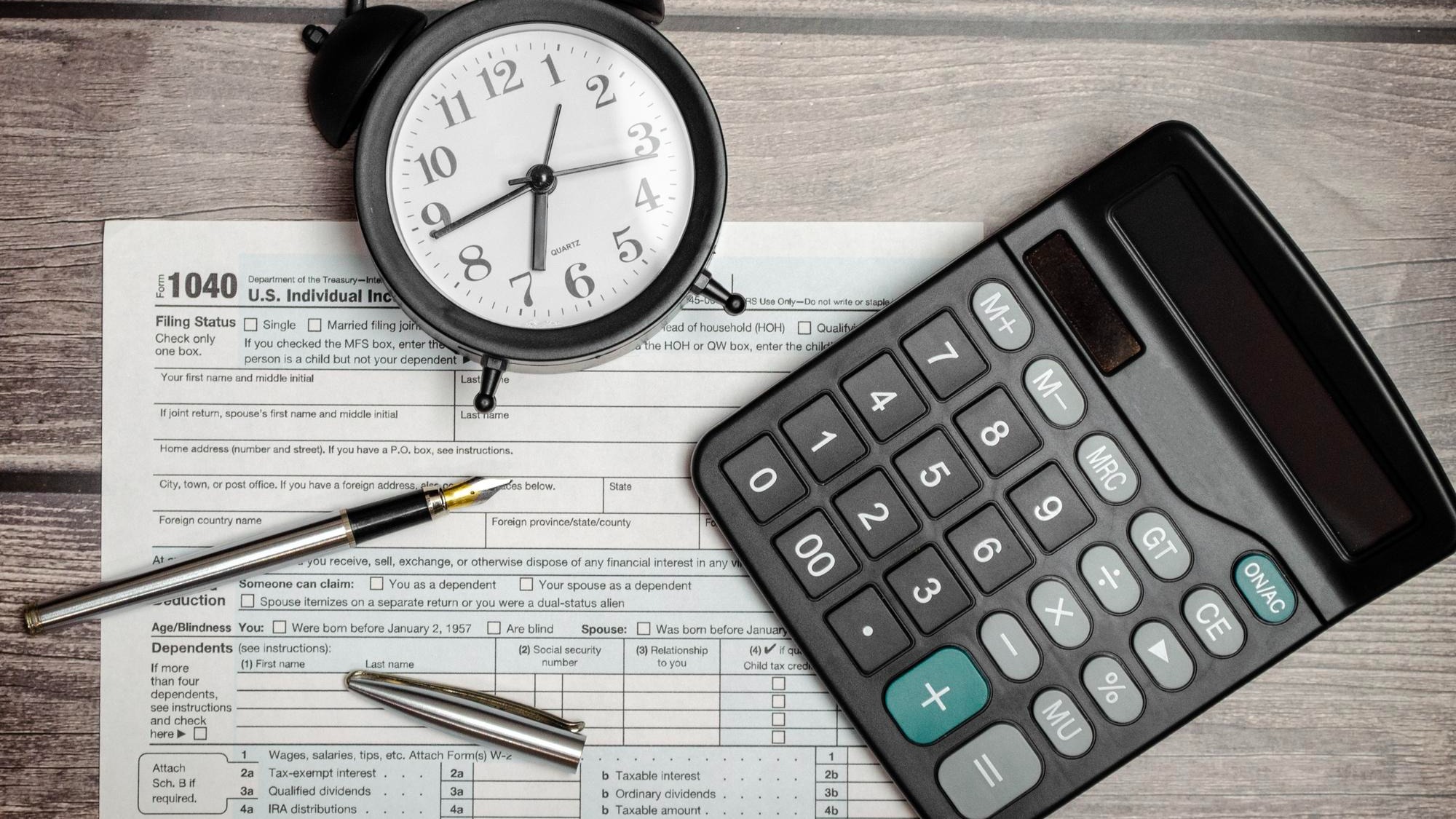
Taxpayers who owe the IRS money will see the cost of carrying that debt jump sharply on July 1, 2026, when the agency’s underpayment interest rate rises to 7 percent from 6 percent this quarter. The one-percentage-point increase, driven by a mechanical formula tied to the federal short-term rate, means every dollar of unpaid tax, penalties, and additions to tax will compound faster through the end of September. For anyone with an outstanding balance, the clock to settle up just got more expensive.
A one-point rate jump and what it costs taxpayers right now
The rate increase is not a policy decision by IRS leadership. It is the automatic result of a statutory formula written into Internal Revenue Code Section 6621, which sets the underpayment rate at the federal short-term rate plus 3 percentage points. The IRS recalculates this rate every quarter using the short-term rate published in the prior period. For the third quarter of 2026, that determination relies on the April 2026 federal short-term rate published in Revenue Ruling 2026-9, which appeared in Internal Revenue Bulletin 2026-19.
The controlling language for the July 1 adjustment is spelled out in the bulletin announcing the quarterly rates, which contains the revenue ruling setting the new underpayment and overpayment percentages. The IRS also summarizes each quarter’s figures on its interest rate reference page, which confirms the shift from 6 percent in the current quarter to 7 percent starting July 1. Interest on unpaid balances accrues daily and compounds until the tax is paid in full, meaning the higher rate begins accumulating immediately for anyone who has not resolved their account.
A one-point increase translates into real dollars quickly. On a $10,000 unpaid balance, for instance, the annual interest cost rises from roughly $600 to $700, and because IRS interest compounds daily under IRC Section 6622, the effective cost is slightly higher than the nominal rate suggests. Taxpayers with installment agreements, pending offers in compromise, or unresolved audit assessments will all feel the change on their next statement. For those already on tight budgets, even a modest jump in interest can lengthen the time it takes to pay off a balance and increase the total amount ultimately remitted to the government.
The short-term rate formula behind the July 1 increase
The federal short-term rate that feeds into the IRS formula is itself derived from Treasury auction yields. When those yields rise, the underpayment rate follows with a one-quarter lag. The April 2026 applicable federal rates, published in Revenue Ruling 2026-7 within Internal Revenue Bulletin 2026-15, provide the broader rate environment that produced the short-term rate used for the third-quarter calculation. That environment reflects higher borrowing costs across the economy, not a targeted effort to penalize delinquent taxpayers.
This mechanical linkage means the IRS has no discretion over the rate. Congress designed Section 6621 so that underpayment interest would track market conditions automatically, resetting four times a year. The same statute sets a higher rate for large corporate underpayments (the short-term rate plus 5 percentage points) and a lower rate for certain overpayments. For individual taxpayers and most businesses, however, the standard underpayment rate of 7 percent is the number that matters starting July 1, and it will remain in place through September 30 unless Congress changes the law.
Because interest compounds daily, timing matters. A taxpayer who can pay a balance in full before July 1 will avoid the higher rate entirely on that liability. Someone who can only make partial payments may still benefit by reducing the principal before the new rate takes effect, shrinking the base on which future interest is calculated. Conversely, delaying action until later in the summer means more days at the 7 percent rate, particularly for those who allow balances to roll from one tax year to the next.
Gaps in the data and what to watch next
There are still important unknowns for taxpayers planning ahead. The July 1 increase is locked in by the published rulings, but the path of rates after September 30 will depend on future Treasury yields and the corresponding federal short-term rate. The IRS will not formally announce fourth-quarter figures until it issues another revenue ruling in a later Internal Revenue Bulletin, and there is no public forecast embedded in the current guidance.
That uncertainty complicates decisions for taxpayers weighing options such as borrowing from a bank or credit card to pay off tax debt versus letting the IRS interest accrue. A 7 percent rate may be cheaper than some unsecured credit, but more expensive than secured loans or home equity lines, and the relative cost could shift again if market rates move before year-end. The statutory formula ensures that IRS interest will continue to adjust in response to those moves, but it does not offer a clear signal about where rates will settle.
In the meantime, the practical takeaway is straightforward: anyone with an outstanding IRS balance faces a higher carrying cost starting July 1, and the sooner that balance is reduced, the less impact the new rate will have. Taxpayers can monitor future adjustments by watching for new revenue rulings in upcoming bulletins and checking the agency’s quarterly rate summaries, but they do not need to wait for those updates to know that the current direction is up and that inaction will only get more expensive over time.