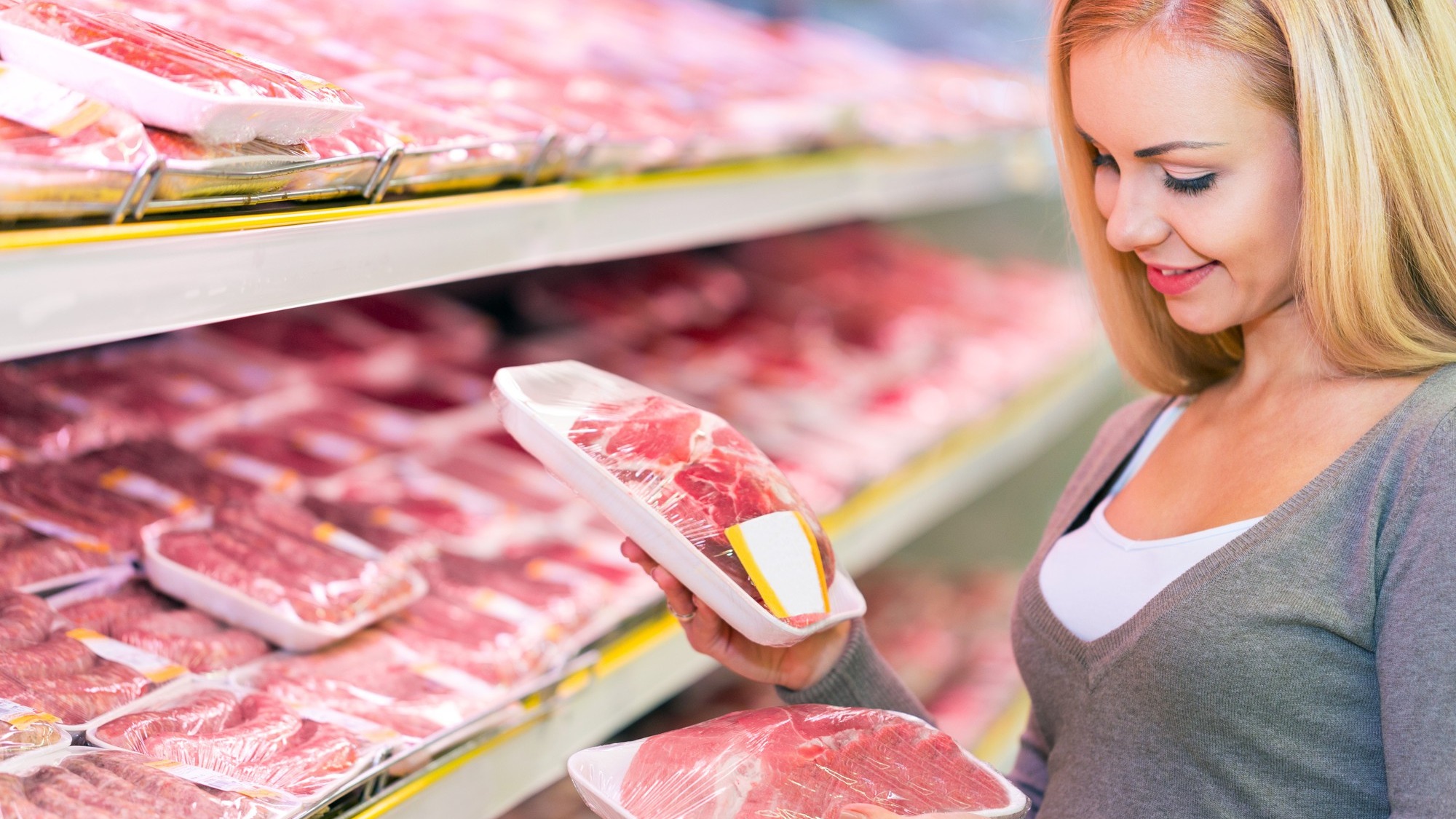
American grocery shoppers are paying 3.1 percent more for food at home than they did a year ago, but two staples are rising far faster: beef and veal prices jumped 14.5 percent and coffee climbed nearly 20 percent over the same period, according to Consumer Price Index data the Bureau of Labor Statistics published on June 10, 2026. The gap between those standout categories and the broader grocery index raises a pointed question about what comes next for household budgets already stretched by years of elevated food costs.
Beef and coffee are pulling away from overall grocery inflation
A 3.1 percent annual increase in food-at-home prices is notable on its own, but the real pressure lands on specific items. Beef and veal at 14.5 percent and coffee at nearly 20 percent are rising at roughly five to six times the pace of the overall grocery basket. That kind of spread means shoppers who rely heavily on either product face a much steeper bill than the headline number suggests.
The May 2026 Consumer Price Index tables, released in the Bureau of Labor Statistics’ monthly inflation report, break out 12‑month percent changes across dozens of food-at-home categories, and beef and coffee sit at the top of the list. The USDA Economic Research Service tracks these same CPI-based measures through its Food Price Outlook, placing the gains in the context of upstream cost pressures that have persisted across multiple quarters. If cattle herd sizes remain tight and coffee import volumes stay constrained along their current paths, the divergence between these two categories and the rest of the grocery aisle could widen further over the next six months.
Where the 14.5 percent beef increase and 20 percent coffee rise come from
Both figures trace directly to the Consumer Price Index for All Urban Consumers, the government’s primary gauge of retail-level price changes. The BLS maintains detailed CPI data series that allow anyone to pull the underlying indexes for beef, veal and coffee and reproduce the year-over-year calculations that appear in the monthly tables. For coffee specifically, the Federal Reserve Bank of St. Louis redistributes the same BLS series under its FRED system, providing a charting and download interface that confirms the scale of the increase.
The USDA Economic Research Service uses these CPI inputs alongside producer price data to build its food price forecasts. Its Food Price Outlook identifies continued pressure from costs that flow through the supply chain before reaching store shelves, such as animal feed, energy, transportation and import expenses. Neither the BLS release nor the USDA summary, however, includes on-the-record statements from agency economists explaining the specific drivers behind the 14.5 percent beef figure or the nearly 20 percent coffee jump. The data confirm what happened at the register, but the official releases stop short of attributing the increases to named supply-side causes.
Limits of the headline numbers for household budgets
Several gaps in the public record limit how far anyone can project these trends. The main CPI news release does not embed item-level average prices for products like ground beef per pound or roasted coffee per pound; those figures require separate data pulls through the BLS average-price series or the public data API. Without those dollar-level benchmarks in the headline release, readers see percentage moves but not the actual shelf price driving their spending decisions.
To fill in those details, analysts must turn to the BLS average price tables, which translate index values into approximate dollars and cents for common grocery items. Those series can show, for example, how much more a typical pound of beef or a can of coffee costs than it did a year earlier. But because the average-price data are published separately from the main CPI narrative, they rarely shape the public conversation about inflation, leaving many shoppers with a sense that their personal experience at the meat counter or coffee aisle is outpacing the official statistics.
That disconnect matters for household planning. Families that buy beef weekly or brew coffee at home every day are effectively living with an inflation rate well above 3.1 percent for a meaningful share of their grocery basket. Budget strategies that rely on the overall food-at-home number may underestimate the strain from these specific categories, especially for consumers who have limited ability to substitute away from them.
What to watch in the next few CPI releases
With the latest data establishing a sharp run-up in beef and coffee, the next few CPI reports will show whether those increases are peaking or still building. If index readings for these categories begin to flatten on a month-to-month basis, the 12‑month changes will eventually moderate. If instead they continue to log outsized monthly gains, the gap with the broader grocery index will widen further.
For now, the official statistics make two points clear: overall grocery inflation has cooled compared with its pandemic-era highs, and yet key staples like beef and coffee are still moving much faster than the average. Until more detailed explanations emerge from agencies or industry sources, shoppers and policymakers alike will be left reading between the lines of the CPI tables to understand how long that squeeze might last.