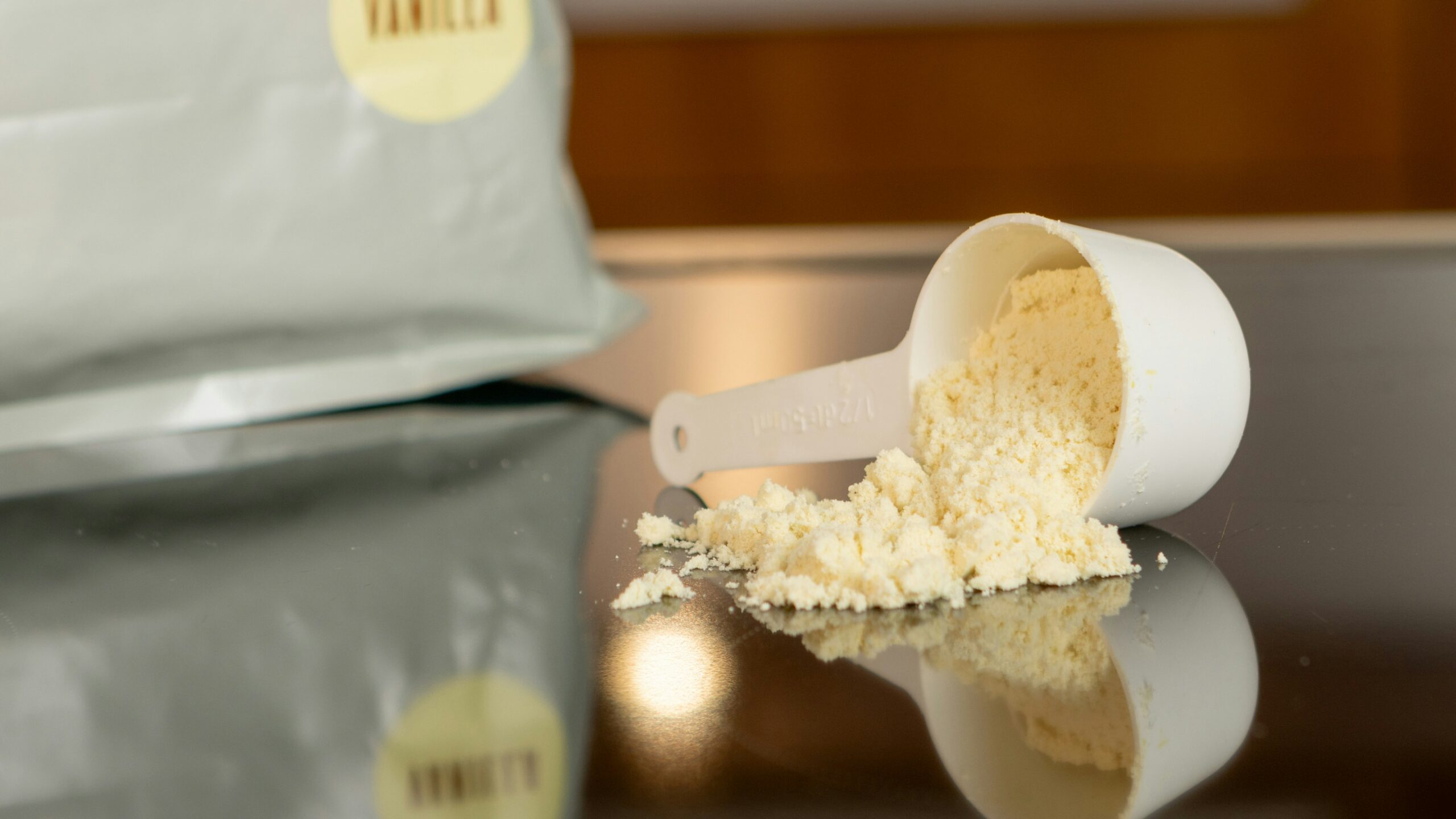
California Dairies Inc. recalled bulk powdered milk and buttermilk on April 20, 2026, after routine environmental testing turned up positive Salmonella results at one of its processing facilities. The recall has since triggered a chain of downstream product withdrawals by at least five separate food manufacturers, affecting items as varied as chocolate drink mixes, potato chips, frozen pizza bread, and snack mixes sold under well-known retail brands. No illnesses have been reported, but the FDA continues to expand its list of affected products as more companies trace their ingredient supply chains back to the same contaminated lots.
Why a single milk powder recall is pulling dozens of consumer products off shelves
Powdered milk is one of those invisible ingredients that shows up in places most shoppers would never expect. A single bulk lot from California Dairies traveled through multiple third-party seasoning and ingredient suppliers before ending up in finished goods made by companies with no direct relationship to the original dairy processor. That supply chain structure explains why the recall has spread so quickly and so widely. The FDA is coordinating with consignees to identify every product that incorporated the affected powder, and new recalls have continued to appear weeks after the initial announcement.
One detail in the downstream recall notices raises a pointed question about how Salmonella behaves in dry dairy ingredients. Champion Foods, which recalled batches of Motor City Pizza Co. 5 Cheese Bread, disclosed that the seasoning blend manufacturer had conducted routine testing on the milk powder before using it, and those tests came back negative. Utz Quality Foods reported the same: seasoning batches containing California Dairies powder tested negative prior to use. If two separate downstream processors ran standard pathogen screens on the same lots and found nothing, contamination either developed after those tests or existed at levels below detection thresholds. That gap between the original processor’s positive environmental results and the downstream companies’ clean pre-use tests points to a real limitation in how bulk dry ingredients are monitored once they leave the plant where they were made.
Food safety specialists note that Salmonella can survive for long periods in low-moisture environments like dry milk powder, but it is often present in very low numbers and may be unevenly distributed. Routine composite sampling can miss those pockets of contamination. In addition, environmental positives at a manufacturing site do not always match finished product test results; companies may detect the organism on equipment, floors, or drains without finding it in the product itself. When that happens, manufacturers frequently opt for a conservative, lot-wide recall rather than risk that undetected contamination made its way into commerce.
Five manufacturers, one ingredient, and a growing FDA recall table
The scope of the recall stretches across product categories that share little in common except their reliance on dry milk powder as a minor ingredient. Ghirardelli Chocolate Company pulled powdered beverage mixes sold primarily through foodservice and institutional channels, with some units available through e-commerce. The Oregon Department of Agriculture separately amplified that recall at the state level, confirming the link to California Dairies’ milk powder and advising businesses to check inventory for affected codes.
SKS Copack withdrew various specialty beverages after receiving direct supplier notification about the California Dairies lot. In its recall notice, the company stated the action followed California Dairies’ voluntary recall of “a lot of low-heat nonfat dry milk powder” and that the original recall stemmed from “identification of positive Salmonella results associated with routine environmental testing.” That language is the most specific public description of how the contamination was first detected.
Utz Quality Foods recalled certain varieties of Zapp’s and Dirty Potato Chips after determining that a seasoning used on the chips contained the implicated milk powder. The company said it initiated the recall out of an abundance of caution after learning that its seasoning supplier had sourced from the affected lots. Because milk powder is used only in small amounts in those spice blends, the chips themselves may not taste or look any different, making it unlikely that consumers could identify affected bags without checking date and code information.
Champion Foods’ action covered select Motor City Pizza Co. 5 Cheese Bread products distributed to retailers nationwide. According to the company, the cheese bread’s topping blend included a dairy-based ingredient supplied by a third party that had, in turn, purchased milk powder from California Dairies. That multi-step chain illustrates how a single bulk ingredient can travel through multiple hands before reaching store shelves, complicating traceability when a problem is found.
Other manufacturers have announced narrower recalls focused on specific snack mixes and private-label items that share the same upstream ingredient source. Each notice adds new brands and lot codes to the FDA’s running list, underscoring how widely a single dairy processor’s output can be dispersed across the food system.
What consumers and retailers should do
Regulators and companies emphasize that no confirmed illnesses have been linked to these products. Still, Salmonella can cause serious and sometimes fatal infections, especially in young children, older adults, and people with weakened immune systems. Consumers are advised to review recall information, check any powdered drink mixes, flavored chips, frozen breads, or snack mixes already at home, and discard or return products that match the affected lot codes. Retailers, meanwhile, are being asked to pull listed items from shelves and notify foodservice customers who may have purchased recalled goods in bulk.
As the investigation continues, the California Dairies incident is likely to fuel broader discussion about how dry ingredients are tested and tracked. For now, the expanding series of recalls serves as a reminder that even a minor component in a complex recipe can become the focal point of a nationwide food safety response.