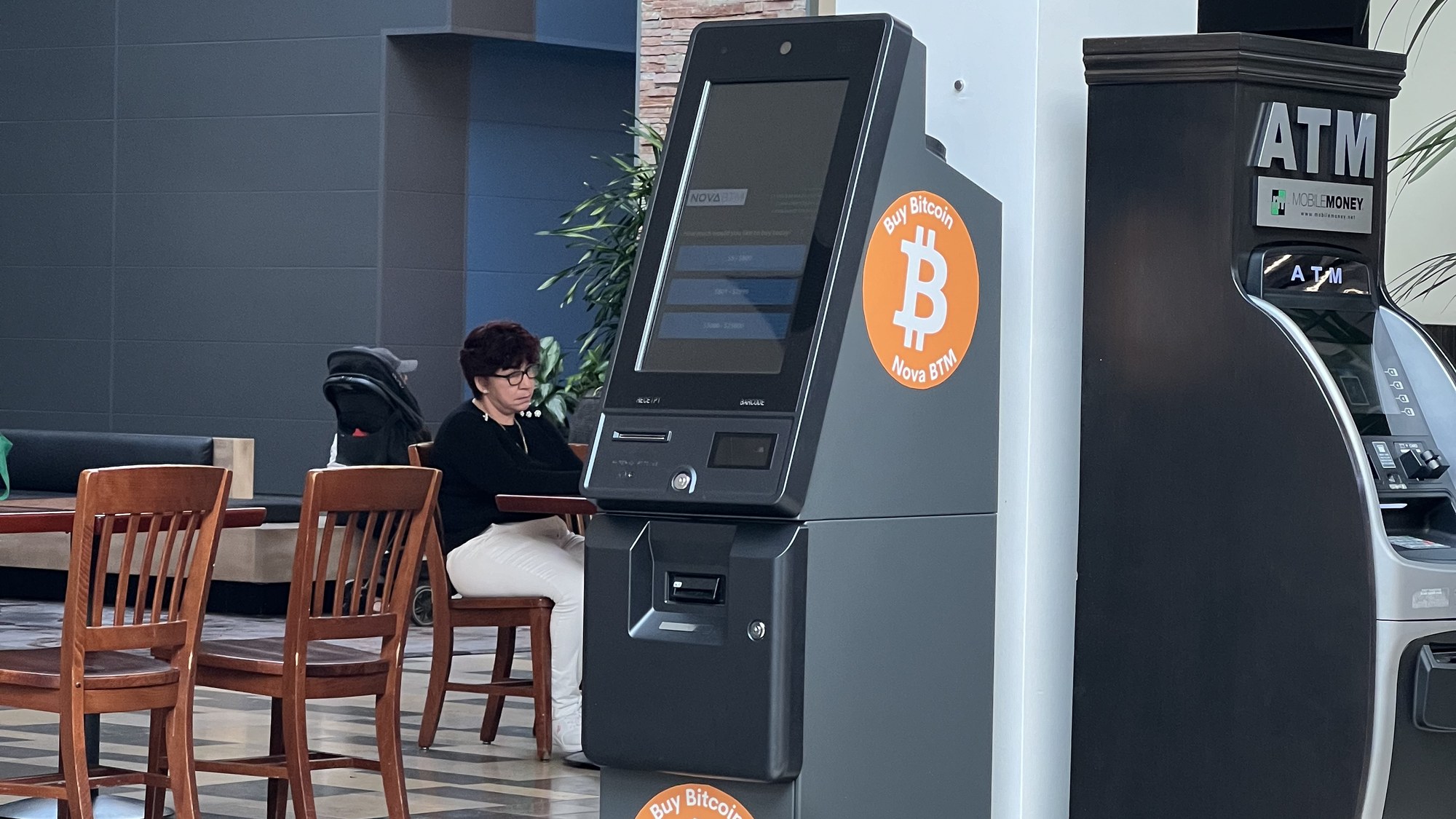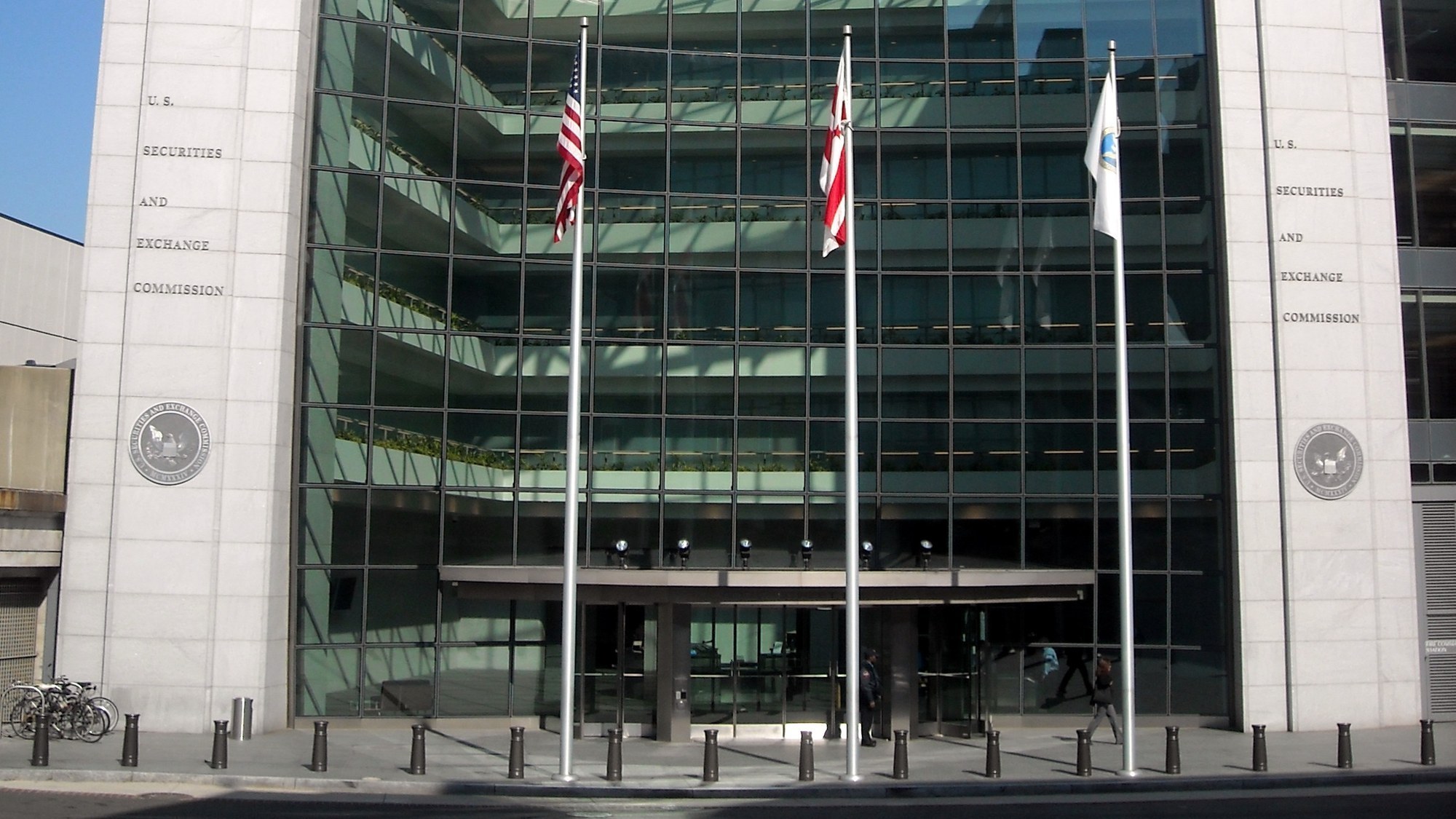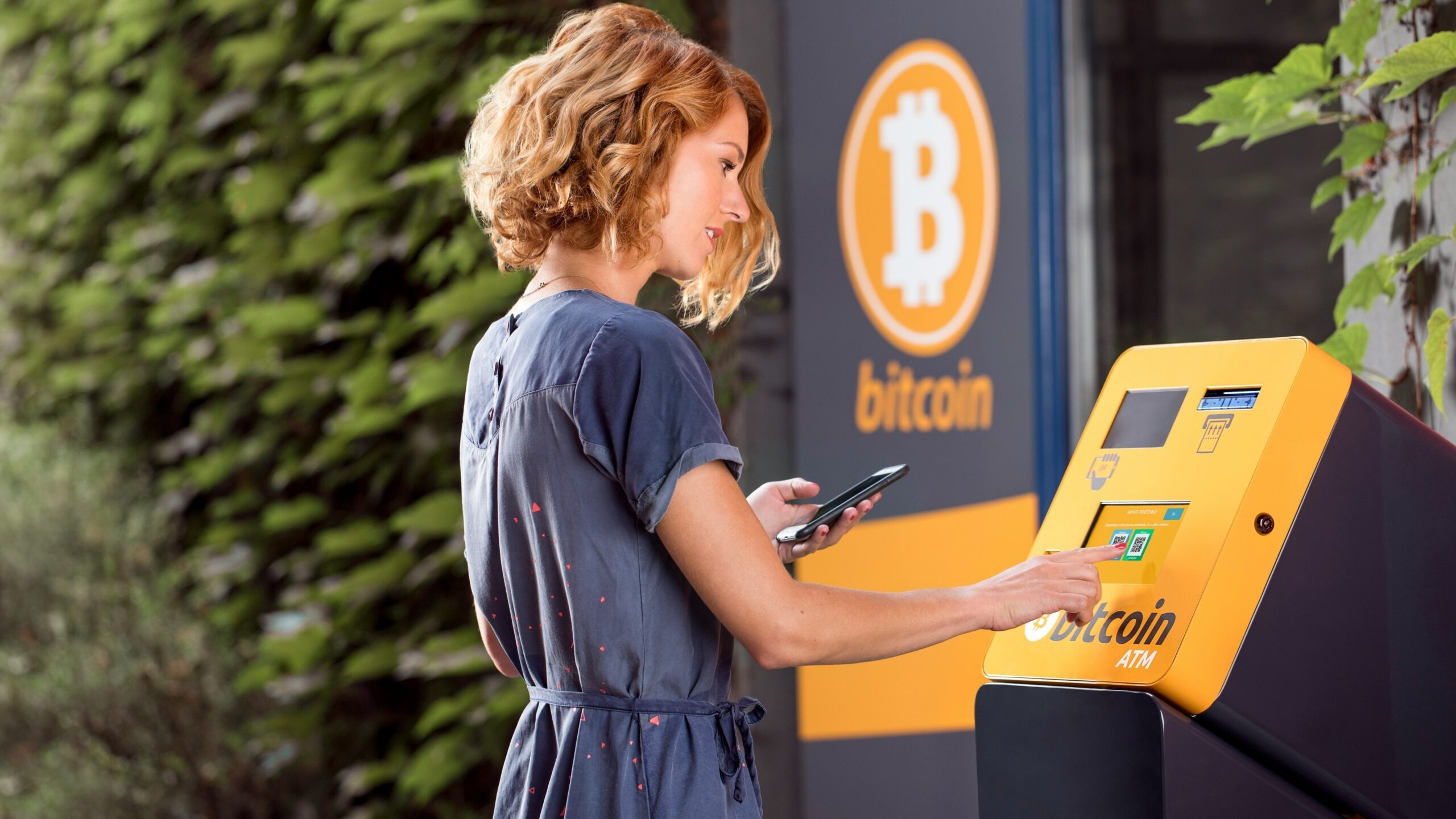
Federal and state regulators across the country are telling consumers the same thing: no legitimate bank, utility, or government office will ever direct someone to deposit cash into a cryptocurrency ATM. The warning comes as the FTC reports that people aged 60 and older are more than three times as likely to lose money through these machines, and as D.C. Attorney General Brian Schwalb has sued a crypto ATM operator for financially exploiting district residents. The scam pattern is consistent and well documented, yet the machines keep multiplying in gas stations, convenience stores, and laundromats.
Why crypto ATM fraud warnings are escalating in 2024 and 2025
The scheme works because it mimics authority. A caller posing as a bank fraud investigator, an IRS agent, or a tech-support representative tells the target their account has been compromised. The caller then instructs the victim to withdraw cash and feed it into a nearby Bitcoin ATM, scanning a QR code that routes the funds directly to the scammer’s wallet. The FTC alert spells out why recovery is nearly impossible: once cash converts to cryptocurrency through that QR code, the transaction cannot be reversed by the machine operator, a bank, or law enforcement.
Scammers lean on urgency and fear. They may threaten arrest over supposed tax debts, claim a relative is in jail or in the hospital, or insist that a bank account will be frozen unless the victim follows instructions immediately. Directing a person to a crypto ATM is often framed as a “secure” way to protect funds, when in reality it is a one-way transfer into a wallet controlled by the criminal. Because many victims are unfamiliar with how blockchain transactions work, they may not realize that scanning a QR code is equivalent to handing over a suitcase of cash.
The hypothesis that states requiring real-time transaction monitoring tied to federal scam databases would see fewer losses among older residents has intuitive appeal. But no state has yet published outcome data from such a mandate, and no longitudinal federal dataset tracks recovery rates after victims file complaints. Without that evidence, the hypothesis stays untested. What is clear from the existing record is that the warnings themselves, however forceful, have not stopped the losses from climbing.
Federal and state agencies align on the same blunt message
The FBI’s Internet Crime Complaint Center documented the mechanism years ago, warning that criminals use cryptocurrency ATMs and QR codes to collect victim payments. The FTC’s data spotlight published in September 2024 found that people 60 and older are more than three times as likely to report a loss through a Bitcoin ATM compared with younger adults. That disparity underscores how scammers target those they perceive as having retirement savings, less familiarity with digital assets, or greater trust in perceived authority figures on the phone.
State agencies have coalesced around nearly identical language. North Dakota’s Department of Financial Institutions states on its consumer education page that “no legitimate business or government entity will ever ask you to deposit cash or purchase virtual currency at a crypto ATM.” Michigan’s consumer protection office uses almost the same phrasing: “No legitimate company or government agency will ever ask you to deposit money into a Bitcoin ATM.” The repetition is intentional. Regulators want consumers to recognize the pattern instantly: if anyone is telling you to go to a crypto kiosk with cash, it is a scam.
Enforcement has begun to follow the warnings. D.C. Attorney General Brian Schwalb filed suit against a crypto ATM operator, alleging the company financially exploited district residents through high fees and a business model that facilitated fraud. According to the District complaint, the operator’s machines charged steep markups while failing to implement safeguards that might have interrupted obvious scam transactions. The lawsuit signals that regulators are no longer limiting themselves to consumer advisories. They are targeting the operators who profit from machines that serve as a payment channel for scammers.
Gaps in enforcement data and what to watch next
Several questions remain open. No public federal dataset tracks how many of the thousands of crypto ATMs operating nationwide have been linked to fraud complaints, making it difficult to measure which operators or regions pose the greatest risk. Crypto ATM companies have not released detailed records of their fraud-detection protocols or compliance audits in any public forum tied to these regulatory actions. And the D.C. lawsuit against the operator has not yet produced a final court ruling, leaving unresolved how far local authorities can go in reshaping the industry through litigation.
Those gaps complicate efforts to evaluate policy options. Proposals range from requiring clearer on-screen scam warnings and tighter identity verification to limiting transaction sizes for first-time users or in high-risk zip codes. Without consistent reporting on outcomes, it is hard to know whether such measures would meaningfully reduce losses or simply push scammers to different payment channels.
For now, regulators are betting that repetition can substitute, at least partially, for structural reform. The message from federal agencies, state consumer protection offices, and local prosecutors is stark and uniform: if someone tells you to protect your money by turning it into cryptocurrency at an ATM, you are dealing with a fraudster. Until the industry is forced to build stronger safeguards-or policymakers impose them-the most reliable defense will remain whether potential victims recognize that warning in time.