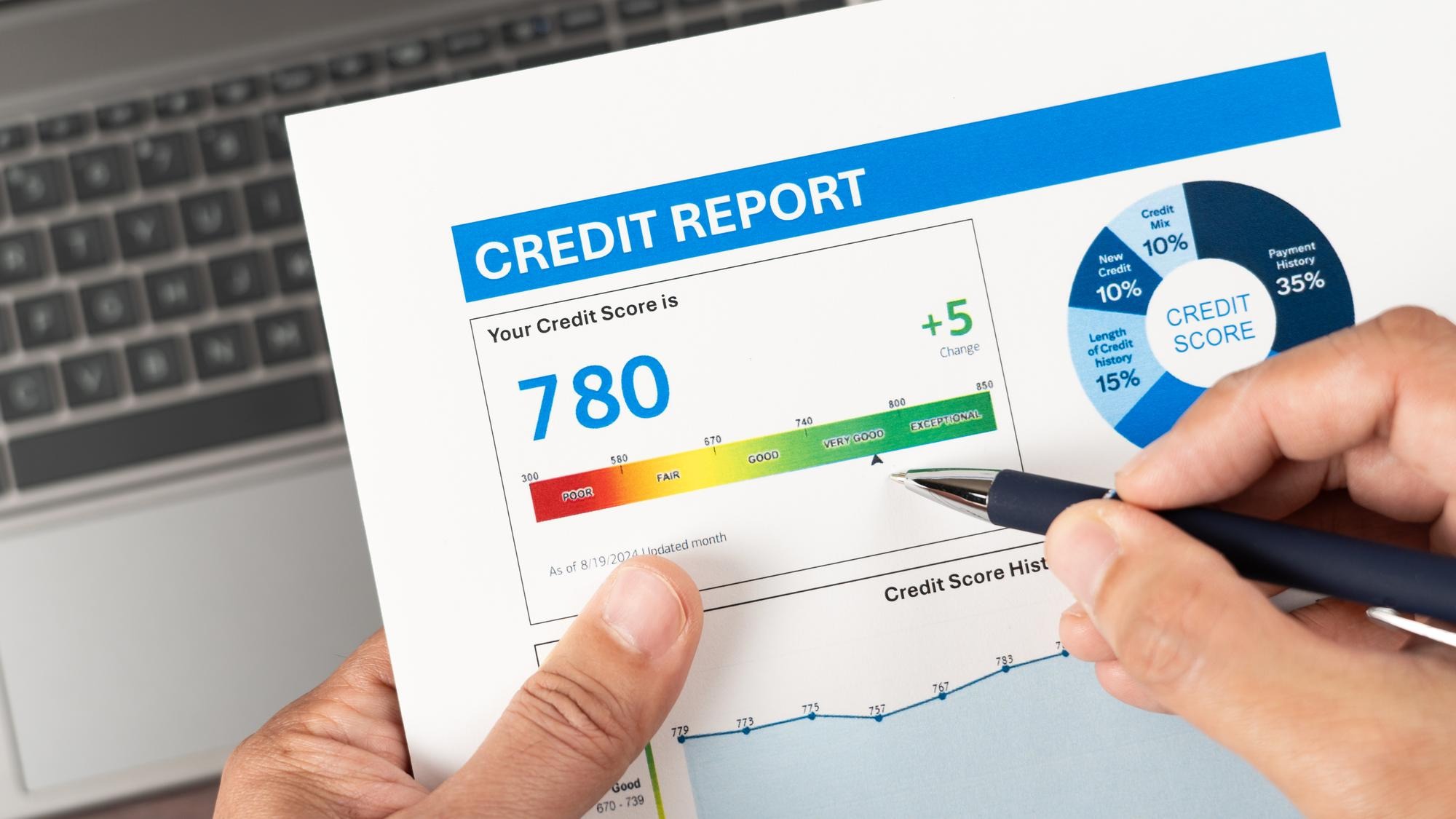
Every American household now has the ability to check credit reports from all three major bureaus on a weekly basis at no cost, a level of access that did not exist before 2020. Equifax, Experian, and TransUnion each provide reports through a single federally authorized site, and the weekly option has remained in place well beyond its original pandemic-era launch. For anyone trying to catch reporting errors or early signs of identity theft, the practical question is whether more frequent checks actually lead to faster corrections.
Weekly Access Changes the Math on Spotting Errors
The shift from once-a-year to once-a-week access rewrites how quickly a consumer can detect a problem. Under the old annual model, a fraudulent account opened in February might sit unnoticed until the following January. Weekly pulls compress that window to days. The hypothesis that households switching from annual to weekly checks would file more disputes within 90 days is straightforward: more looks at a report mean more chances to find something wrong. No federal agency has yet published data tracking dispute rates by check frequency, so that connection remains untested in public records. What is confirmed is the mechanism. According to the Federal Trade Commission, Equifax, Experian, and TransUnion are the three nationwide credit bureaus, and consumers can now pull weekly reports from each one through AnnualCreditReport.com.
Federal Rules and Bureau Programs Behind Free Weekly Reports
The legal foundation for centralized free credit disclosures is 16 CFR Part 610, which requires a single source where consumers can request their annual file disclosures. AnnualCreditReport.com was built to satisfy that regulation. The bureaus later expanded access to weekly pulls, and that expansion has stuck. According to the Consumer Financial Protection Bureau, pulling your own report does not count as a hard inquiry that could lower your credit score. Equifax has gone a step further: through December 2026, consumers can request up to six free copies of their Equifax credit report in any 12-month period through the same site, per the CFPB. That sits alongside the weekly access already available from all three bureaus, though the overlap between the two programs is not fully explained in public guidance. For consumers without internet access, a mail-in request form and mailing address are available through USA.gov.
Gaps in the Data on Weekly Checks and Fraud Detection
The biggest open question is whether weekly access actually translates into better outcomes. No federal dataset currently tracks how many consumers pull reports weekly versus annually, how quickly disputes get filed after the switch, or whether fraud losses decline for frequent checkers. The FTC and CFPB have not published volume statistics on weekly requests since the permanent extension took effect. That means the core promise of the policy, that more frequent monitoring leads to faster error correction, rests on logic rather than measured results. The conflict between “free weekly reports from each bureau” and the separate Equifax provision of “up to six free copies in any 12-month period” also lacks a clear public explanation of how the two programs interact. Consumers checking Equifax reports may be drawing from one pool, the other, or both, and the distinction could matter if access is ever scaled back.
How Often to Check and What to Look For
For anyone who has not checked a credit report recently, the weekly option can feel like overkill, but even an occasional review can surface problems that would otherwise linger. Federal consumer education materials on checking your credit report emphasize looking for accounts you do not recognize, incorrect balances, wrong limits, and late payments that you believe were made on time. Personal information at the top of the report, such as your name, address, and Social Security number, should also be accurate, because errors there can signal that someone else’s data has been mixed with yours.
Consumers do not have to pull all three reports every week to benefit from the expanded access. One practical approach is to stagger requests: for example, check one bureau this week, another in a month, and the third the month after that. This keeps a relatively steady view of your credit file without adding a new weekly task. People who have recently experienced a data breach, lost a wallet, or noticed suspicious activity on financial accounts may decide that more frequent checks are worthwhile, at least temporarily.
Disputing Errors and Protecting Yourself
When you spot an error, the next step is to dispute it with both the credit bureau and, if applicable, the company that furnished the information, such as a bank or lender. Each bureau provides online, mail, and sometimes phone options for submitting disputes, and they are generally required to investigate and respond within defined time frames. Keeping copies of your reports, letters, and any supporting documents can help if you need to escalate a complaint later.
Weekly access does not replace stronger protections like fraud alerts or security freezes, which can limit how new creditors use your file. Instead, it adds another layer of visibility. The unresolved questions about how much weekly checks reduce fraud losses should not obscure a more modest, but concrete, benefit: they make it harder for errors to sit unnoticed for a full year. Until federal agencies release data on usage patterns and outcomes, the value of weekly reports will remain partly a matter of individual risk tolerance and habits, but the tools are now in place for households that want to watch their credit files more closely.