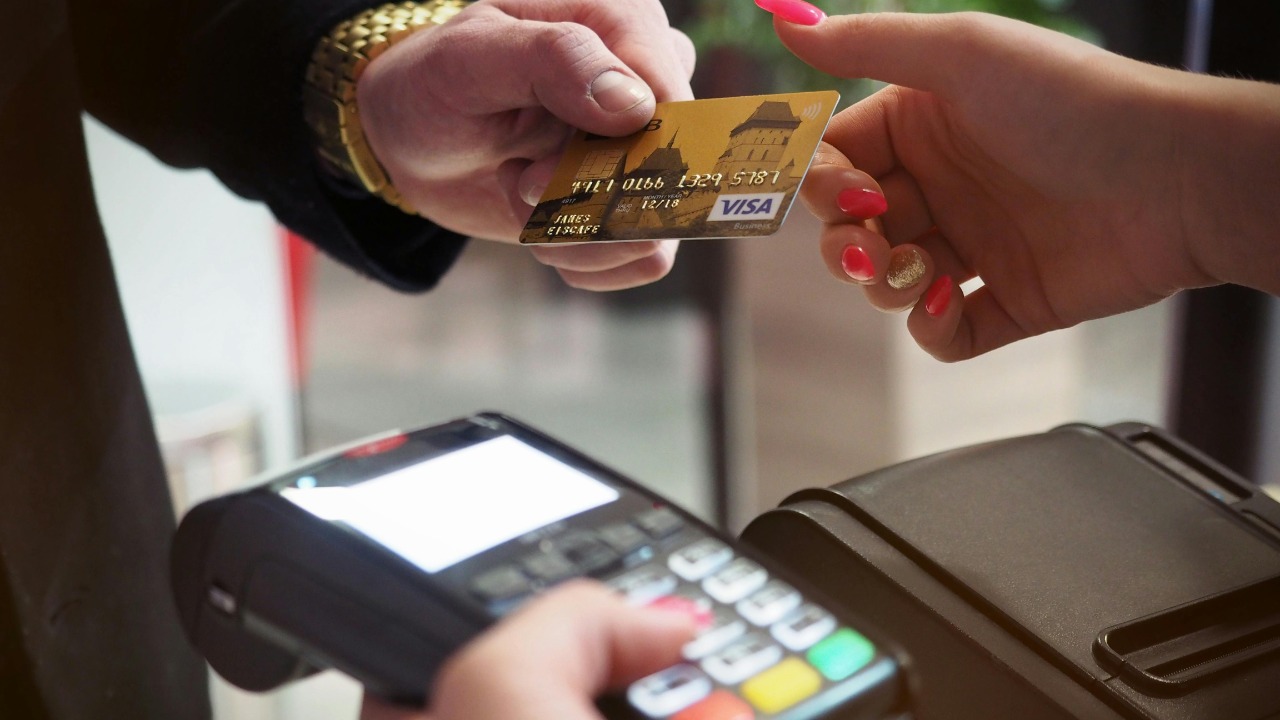
A SNAP household whose benefits get stolen through card skimming today has no federal program standing behind a replacement. That authority expired at the end of 2024, and Congress has not brought it back. Virginia is responding at the state level instead, moving all 749,000 of its SNAP recipients onto chip-enabled EBT cards by the end of this year in an effort to make the skimming itself harder to pull off, even without federal replacement money as a backstop if it still happens. The two facts sit next to each other uncomfortably: the tool that once made a stolen benefit whole again is gone, while the state closest to acting is trying to prevent the theft rather than promising to undo it.
USDA’s Stolen-Benefits Page and the December 2024 Cutoff
USDA’s own stolen-benefits page, last updated Sept. 8, 2026, lays out the history plainly: states could once use federal funds to replace SNAP benefits stolen through card skimming or cloning, capped at “the actual amount stolen or the household’s benefit allotment amount for the two months immediately preceding the theft, whichever is lesser.” That authority originally covered theft between Oct. 1, 2022, and Sept. 30, 2024, and was extended once, through Dec. 20, 2024, by the Continuing Appropriations and Extensions Act, 2025. USDA’s page states plainly that “the American Relief Act, 2025 did not extend this authority” beyond that December 2024 date, meaning any benefits skimmed after Dec. 20, 2024 have had no federal replacement program to apply to. The original authority itself dated to the Consolidated Appropriations Act, 2023, passed in December 2022, which first let states use federal money to reimburse households for benefits stolen through skimming and similar schemes; the two-month-allotment cap USDA describes was a ceiling on those replacements, not a guarantee that a household would recover the full amount taken.
Inside the organizer: A renewal document checklist and 51 state packs help a household see how its own state currently handles a stolen-benefit report and keep its SNAP case on schedule regardless of which EBT card is in a wallet. Open The SNAP & Medicaid Renewal Organizer.
Virginia’s Chip-Card Rollout for 749,000 SNAP Recipients
Virginia’s Department of Social Services announced in a July 10, 2026 release that new chip-enabled EBT cards would begin going out in September. According to Virginia Mercury’s Sept. 11 reporting, the first cards went to 20 high-theft localities, including Richmond, Norfolk, Portsmouth, Chesterfield and Fairfax, with a second distribution round beginning in late October and all cardholders receiving replacements by the end of 2026. Virginia Mercury put the number of state residents on SNAP, and therefore in line for a new card, at approximately 749,000. VDSS’s release does not put a specific dollar figure on the rollout’s cost or on how much skimming has cost Virginia households, framing the change instead around the security upgrade itself rather than a recovery of past losses.
Gov. Abigail Spanberger said the change means “families have secure, accessible support — and are protected from bad actors,” according to Virginia Mercury’s coverage. Secretary of Health and Human Resources Marvin Figueroa called the new cards “a practical step to protect families and make it harder for criminals,” and VDSS Commissioner Duke Storen said “no one should have to worry about going hungry because a criminal targeted the help they depend on.”
Why Chip Technology Is Meant to Stop Skimming
The mechanical difference is what the rollout is built around: a chip card generates a unique encrypted code for each transaction, which Virginia Mercury’s reporting describes as making the card “more difficult for scammers to skim or clone than traditional magnetic stripe cards.” A magnetic stripe repeats the same static data every time it is swiped, which is what lets a skimming device capture and reuse it; a chip’s per-transaction code is designed to be useless to a thief who copies it. VDSS’s own release frames the upgrade as adding “an added layer of security” rather than eliminating fraud risk altogether, and the agency’s messaging continues to warn cardholders to guard their card numbers and PINs against phishing calls and texts that target the account directly rather than the card’s chip. That distinction matters for an older SNAP recipient managing a fixed monthly food budget: a chip card can blunt a skimming device at a compromised card reader, but it does nothing to stop a scammer who calls or texts asking for the card number and PIN directly, since that information works the same way regardless of which card technology sits behind it.
No Federal Backstop Even as the Technology Changes
None of Virginia’s chip-card work reopens the federal replacement authority USDA’s page says expired in December 2024. If a Virginia household’s new chip card is still skimmed through some other method, or if a household in a state that has not moved to chip technology is skimmed, USDA’s stolen-benefits page does not describe any federal fund a state can currently draw on to make that household whole. The chip cards are a fraud-prevention measure aimed at reducing how often theft happens in the first place, not a substitute for the replacement program that Congress allowed to lapse.
What a New EBT Card Doesn’t Restore
A chip-enabled card can make skimming harder to pull off, but neither USDA’s stolen-benefits page nor Virginia’s rollout brings back the federal replacement authority that expired in December 2024. A household in a state that has not adopted chip cards yet, or one simply trying to find its own state’s current rules for reporting a stolen benefit, is left piecing together a state-by-state answer instead of one federal page.
The SNAP & Medicaid Renewal Organizer includes 51 state packs and a renewal and reporting calendar for keeping a SNAP case current no matter which state administers it.
See the state pack that matches a given address in The SNAP & Medicaid Renewal Organizer.
This article was produced with AI assistance and checked against the primary sources linked above.