Taxpayers who paid failure-to-pay penalties on their 2020 or 2021 federal returns could be owed money back from the IRS, but a refund window tied to statutory claim deadlines is closing fast. The agency announced an automatic penalty relief program covering assessed balances under $100,000 for those two tax years, and it confirmed that credits or refunds would be issued where penalties had already been collected. The program accounts for roughly $1 billion in total waived penalties, yet the interaction between COVID-era deadline postponements and the standard refund lookback rules means some eligible filers must act before July 10 to preserve their claims.
Why the July 10 refund deadline matters for penalty relief
The IRS program that waives failure-to-pay penalties for tax years 2020 and 2021 was designed to run automatically. According to an official announcement, eligible filers with assessed tax under $100,000 who received initial balance-due notices during the specified window were supposed to see penalties removed or refunded without filing a separate request. In practice, IRS account systems do not always flag every qualifying case on their own. That gap between who qualifies and who actually receives relief is where the deadline pressure comes from.
Under 26 U.S.C. Section 6511, a taxpayer generally has two years from the date of payment, or three years from the date of filing, to claim a refund. COVID-era postponements under Section 7508A shifted certain filing and payment deadlines forward, which in turn shifted the starting point for refund lookback calculations. For penalty payments made in 2020 or 2021, those postponed deadlines can push the outer boundary of the refund claim window to mid-2026. But the math is specific to each filer’s payment date and the applicable postponement period, and for a subset of taxpayers the two-year lookback closes around July 10.
The Associated Press reported that the program covers roughly $1 billion in penalties across individuals and businesses. That figure reflects the total scope of relief, not the amount already distributed. Filers who paid penalties and have not yet seen a credit on their IRS account transcript face a real risk of losing their claim if they wait past the statutory cutoff.
How Section 7508A and the lookback rules create a hidden refund gap
The legal architecture behind this deadline involves two statutes working in sequence. Section 7508A grants the IRS authority to postpone tax-related deadlines during federally declared disasters, including the COVID-19 emergency. The implementing regulation at 26 C.F.R. Section 301.7508A-1 spells out how those postponements apply to payment and filing obligations, and by extension, to penalty accrual periods.
Section 6511 then controls how long a taxpayer has to request money back. The two-year-from-payment rule operates alongside the three-year-from-filing rule, and the taxpayer gets whichever deadline is later. Disaster postponements can move the deemed payment or filing date, effectively stretching the lookback period for some taxpayers. But those extensions are not uniform: a taxpayer who paid early, or who was outside a covered disaster area for part of the COVID period, may still be tied to an earlier, unextended payment date.
This is where a hidden refund gap can emerge. If the IRS does not automatically abate a qualifying failure-to-pay penalty, the taxpayer’s only recourse is to file a timely refund claim. Once the two-year window from the actual payment date closes, Section 6511 generally bars the IRS from issuing a refund, even when the underlying penalty should have been waived under the relief program. For payments made in mid-2023 on older 2020 or 2021 liabilities, that two-year mark can fall in July 2025, effectively turning July 10 into a hard stop for a narrow but significant group of filers.
How to check your account and preserve your claim
Taxpayers who paid failure-to-pay penalties for 2020 or 2021 should first confirm whether the IRS has already applied relief. One way is to use the agency’s secure online account system to review balances, payments, and any recent adjustments. A properly applied abatement will typically appear as a credit transaction reducing the penalty portion of the balance or generating a refund.
For businesses, practitioners can use the IRS’s separate online business account portal, which provides similar access to transcripts and account history for entities. If the transcript shows that failure-to-pay penalties for 2020 or 2021 remain on the account, or that they were paid and not later reversed, the taxpayer may still be missing relief under the automatic program.
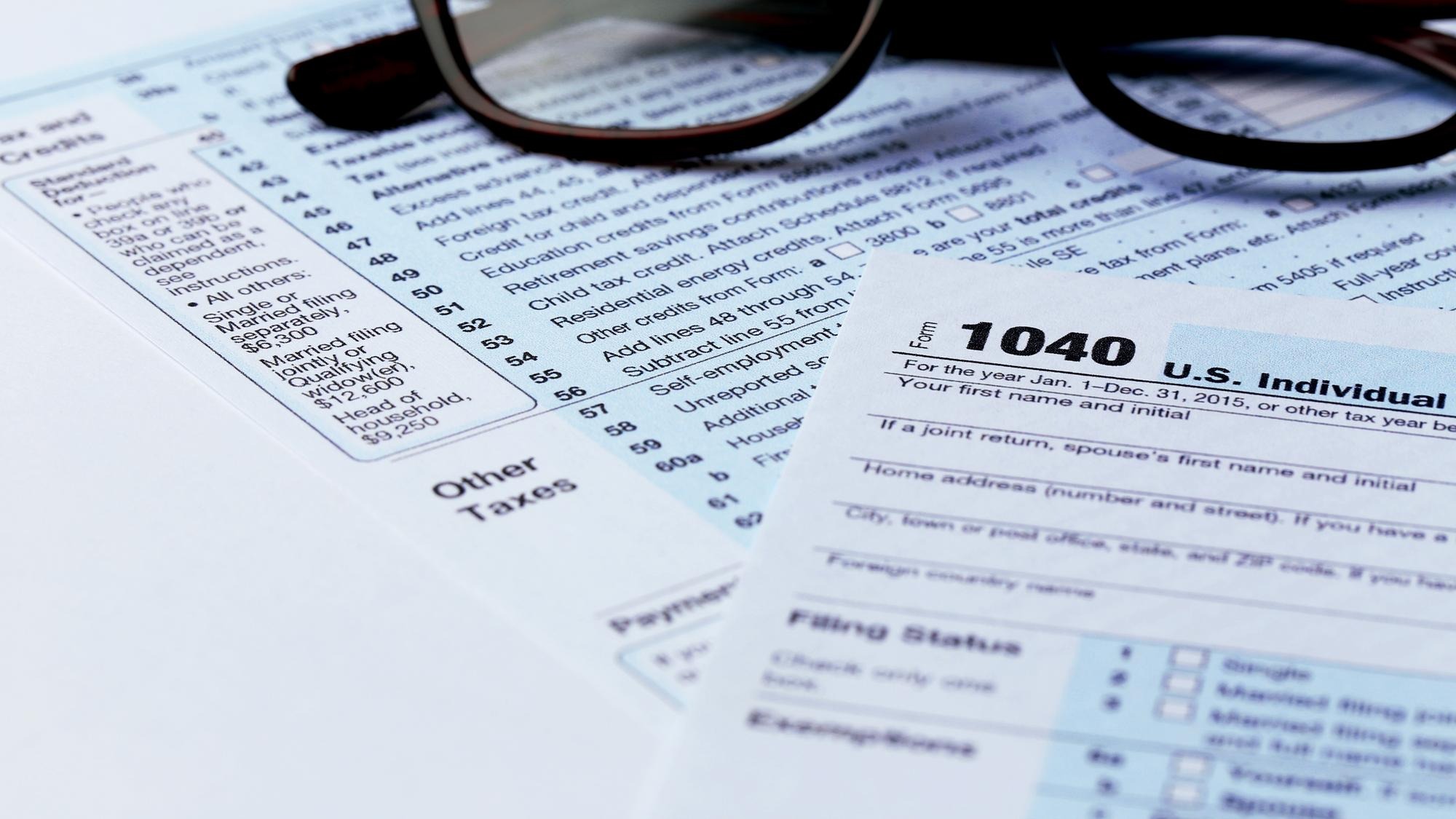
If no abatement appears and the payment date is approaching the two-year mark, filing a formal refund claim becomes critical. This is typically done by submitting an amended return (Form 1040-X for individuals) or a written claim explaining that the failure-to-pay penalty should be removed under the IRS’s 2020–2021 relief initiative. The claim must be postmarked before the applicable Section 6511 deadline to preserve the right to a refund.
Taxpayers who are unsure about their timing can consult a tax professional to calculate the exact lookback period based on their payment and filing dates. Even if the IRS ultimately denies a claim, having a timely filing on record keeps open the possibility of administrative appeal or further relief if the agency later refines its implementation of the penalty waiver program.
The stakes are straightforward: once the lookback window closes, the law sharply limits the IRS’s ability to return money, even when everyone agrees the penalty should not have been collected. For anyone who paid failure-to-pay penalties on 2020 or 2021 liabilities and has not yet seen an automatic credit, checking account records now and acting before the July deadline may be the only way to avoid leaving relief dollars permanently on the table.