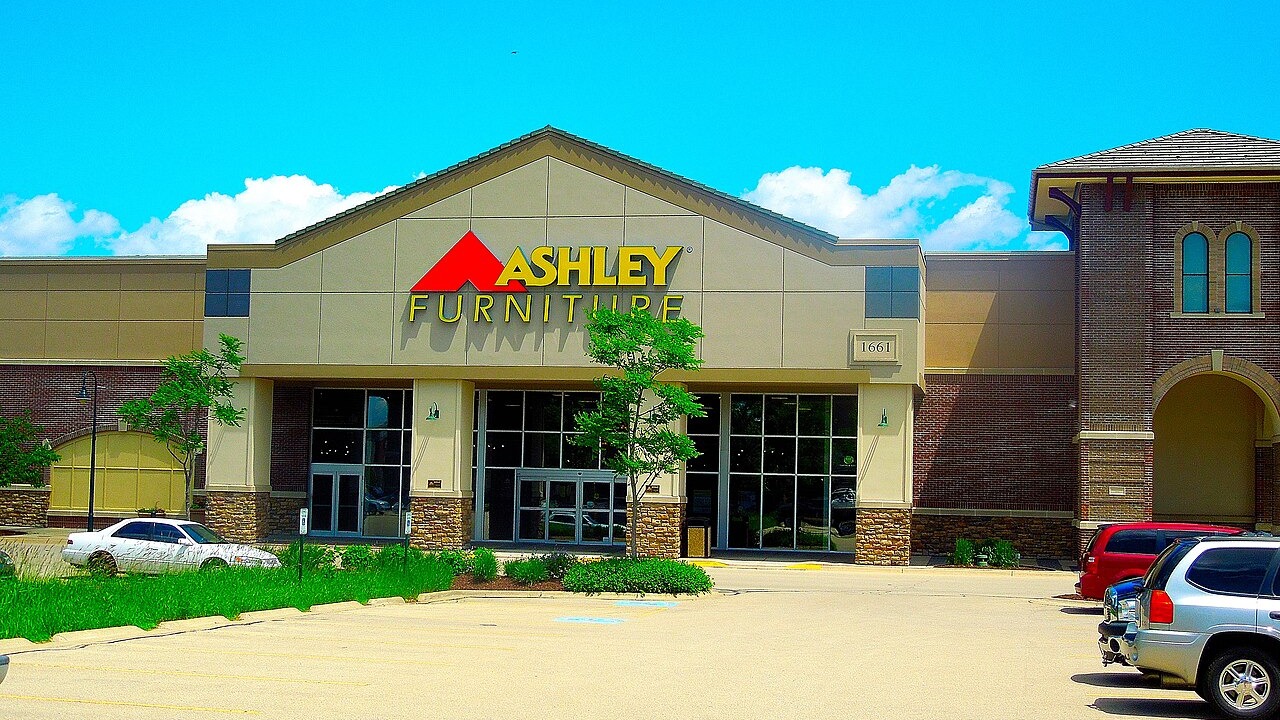
Owners of certain Ashley Furniture mattresses now have a limited window to file claims tied to allegations that the products released fiberglass fibers into homes. The claims process runs through July 17, giving affected buyers a narrow deadline to seek a remedy. The complaints trace back to at least one federal consumer safety filing that documents fiberglass contamination and reported health effects linked to an Ashley-branded mattress.
Why the July 17 claims deadline puts pressure on Ashley mattress owners
The deadline creates urgency for consumers who purchased Ashley mattresses and later discovered loose fiberglass fibers in their bedding, clothing, or air ducts. Fiberglass used as a fire-retardant barrier inside mattress covers can escape when a consumer removes or damages the outer fabric, and complaints describe exactly that scenario. A consumer incident report published on April 27, 2022, in the SaferProducts.gov database names Ashley Furniture Industries, Inc. as the manufacturer and alleges fiberglass contamination along with health impacts.
That single federal filing almost certainly represents a fraction of the real problem. Product safety researchers have long noted that most consumers never file formal complaints with the U.S. Consumer Product Safety Commission, either because they do not know the reporting channel exists or because they resolve the issue privately. If the pattern holds here, the documented case points to a broader set of affected households, particularly among buyers who purchased Ashley mattresses during the years leading up to the 2022 report.
Federal safety records and the fiberglass contamination complaint
The strongest piece of public evidence is the CPSC incident report itself. Cataloged under ID 3657427, the filing was first published on April 27, 2022, and sits in the same federal database the CPSC maintains to collect and display consumer-reported product hazards. The report identifies the product category as a mattress, names Ashley Furniture Industries, Inc. as the manufacturer, and describes fiberglass contamination that allegedly caused health problems for the person who filed it.
Fiberglass inside a mattress is not illegal. Manufacturers sometimes use it as a low-cost flame barrier to meet federal flammability standards. The trouble starts when thin glass fibers work through seams or escape after a consumer unzips or washes the mattress cover, often without any warning label explaining the risk. Once loose, the microscopic strands can spread through an entire room, irritating skin, eyes, and airways. Cleanup is difficult and expensive, sometimes requiring professional remediation of HVAC systems and soft furnishings.
The claims process running through July 17 addresses these documented consumer allegations. Affected owners who can show they purchased a qualifying Ashley mattress and experienced fiberglass-related damage or health effects may be eligible for payment. The exact payout structure and total claims volume have not been confirmed in available federal records, so buyers should review the specific terms of the settlement directly. Consumers should also be aware that information they submit in support of a claim or complaint may be handled under the agency’s existing privacy policy, which governs how personal data is collected and disclosed.
Open questions about scope, affected models, and unreported cases
Several gaps in the public record leave important questions unanswered. The CPSC filing does not specify which Ashley mattress model was involved, nor does it identify the production batch or date range. That missing detail matters because Ashley Furniture sells mattresses under multiple product lines, and fiberglass barriers may be present in only some of them. Without model-level clarity, many owners are left to guess whether their mattress is implicated or whether they face similar risks if the outer cover is removed or damaged.
The report also does not indicate how many other consumers may have experienced comparable fiberglass releases. Because the federal database is largely complaint-driven, it functions as a snapshot rather than a full census of product failures. If other Ashley mattress owners chose not to file with the CPSC, pursued private resolutions, or simply discarded their mattresses without reporting, those incidents would not appear in the public record. That underreporting makes it difficult to assess how widespread fiberglass contamination might be across the company’s customer base.
Another open issue involves the long-term health implications for households that experienced fiberglass dispersal. The incident narrative points to irritation and other acute symptoms, but it does not provide medical follow-up or expert analysis. It is therefore unclear whether the harms described in the complaint were temporary or whether lingering respiratory or dermatological problems persisted after cleanup. For families weighing whether to file a claim before the July 17 cutoff, that uncertainty may add to the stress of documenting their losses and deciding what level of remediation is necessary.
What Ashley mattress owners can do before the deadline
Consumers who suspect fiberglass contamination from an Ashley mattress should act quickly. First, they can review purchase records, photographs, and any correspondence with retailers or the manufacturer to determine whether their product matches the type described in the federal complaint. Second, they may wish to consult the official claims website or settlement administrator to confirm eligibility, gather required documentation, and understand available compensation for property damage, cleaning costs, or health-related expenses.
In parallel, owners who have not yet experienced visible fiberglass release but own an Ashley mattress with a removable cover may decide to leave the cover closed, avoid washing it, and use a separate mattress protector instead. While the claims process offers a potential financial remedy, preventing fibers from escaping into living spaces remains the most effective way to avoid disruption. For those already facing contamination, documenting the condition of the mattress, the spread of fibers, and any professional cleanup invoices before submitting a claim can help ensure their case is fully considered before the July 17 deadline passes.