Borrowers, savers, and investors watching for a shift in Federal Reserve policy face a stark new signal: futures markets now price in roughly 80 percent odds that the Fed will raise, not cut, its benchmark interest rate before December 2026. That repricing accelerated after the Bureau of Labor Statistics released its May 2026 Employment Situation report on June 5, showing payroll growth and unemployment figures that ran well above the trajectory the Fed itself projected in March. The tension is sharpened by President Trump’s repeated public calls for rate cuts, setting up a collision between market expectations, official forecasts, and political pressure heading into summer.
Strong jobs data versus the Fed’s own March projections
The gap between what traders expect and what policymakers signaled just weeks ago is the core conflict driving rate anxiety right now. On March 18, the Federal Open Market Committee published its Summary of Economic Projections, including median estimates, central tendencies, ranges, and a projected appropriate policy path for the federal funds rate. Those tables pointed toward a lower rate by year-end, consistent with the gradual easing cycle the Fed had been telegraphing since late 2025.
Then came the latest employment situation, released June 5. The report contained official payrolls, the unemployment rate, and average earnings figures that collectively suggested the labor market was running hotter than the March projections assumed. Traders responded by pushing implied hike probabilities sharply higher, widening the distance between market pricing and the Fed’s own dot plot.
That divergence matters for anyone with a mortgage, auto loan, or savings account. When futures markets price in a hike rather than a cut, long-term Treasury yields tend to climb, dragging up borrowing costs across the economy. Mortgage rates, which loosely track the 10-year Treasury, are especially sensitive to these shifts. A sustained move in hike expectations could add hundreds of dollars a month to housing payments for new borrowers and refinancers, while also boosting yields on savings accounts and certificates of deposit.
Political pressure adds friction to the rate outlook
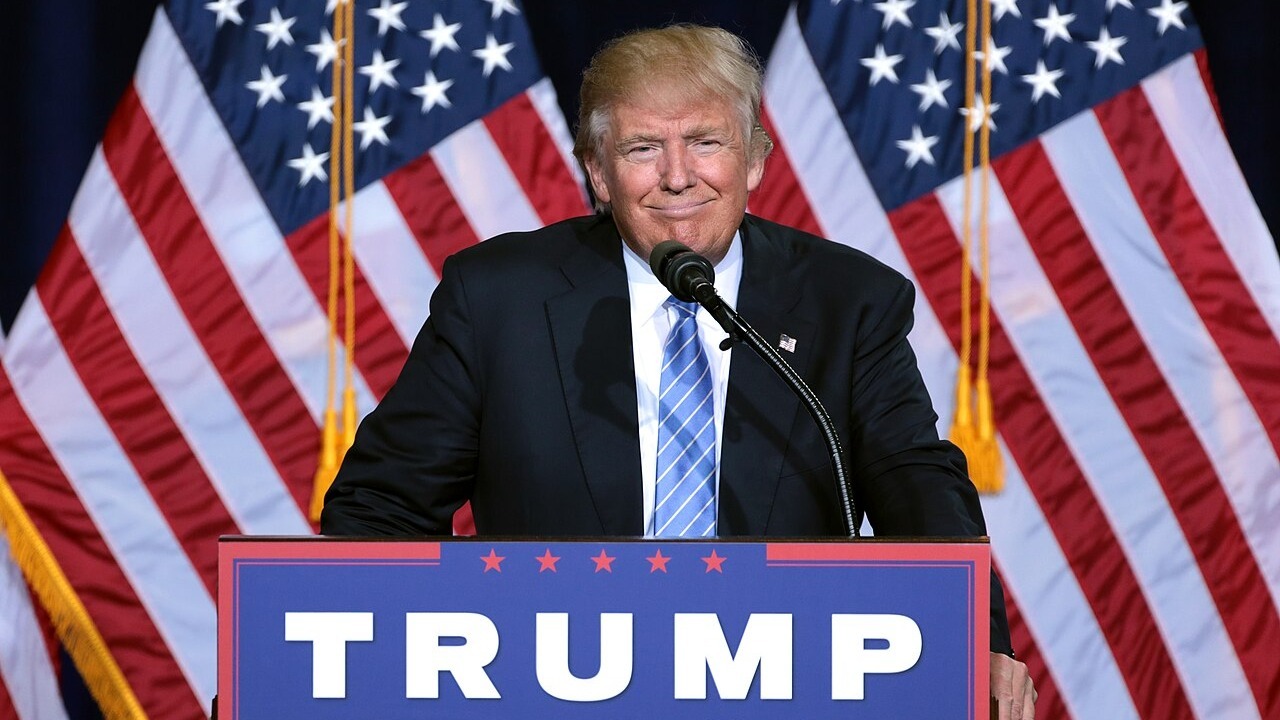
President Trump has publicly pressed for lower rates, framing cuts as necessary to support growth and reduce the cost of servicing federal debt. His demands place the Fed in an uncomfortable position: acting on a hike while the White House calls for the opposite would draw intense political scrutiny, even though the central bank operates with statutory independence from the executive branch.
The practical question is whether the data will force the Fed’s hand regardless of political noise. If the next two monthly BLS releases, covering June and July payrolls, continue to show above-trend job growth, the gap between market-implied hike odds and the path implied by the March FOMC projections will widen further. At that point, at least some regional Fed presidents would likely need to revise their year-end rate forecasts publicly, either through speeches, interviews, or updated projections at the September meeting. Such revisions would confirm what futures markets are already pricing and could accelerate the move in bond yields.
For the Fed, the calculus is straightforward in principle but politically charged in practice. A labor market that refuses to cool threatens to reignite inflation, which would justify tighter policy. But raising rates while a sitting president demands cuts risks turning monetary policy into a campaign issue, especially with midterm elections on the horizon. Officials have repeatedly emphasized their data dependence, yet the optics of tightening into political opposition could test that stance.
What the data mean for households and markets
For households, the near-term impact of shifting expectations shows up first in borrowing costs. Prospective homebuyers may face higher fixed-rate mortgages if investors continue to bet on a hike. Existing homeowners with adjustable-rate loans could see resets move higher if short-term benchmarks follow futures pricing. Auto and personal loan rates, which often track funding costs for banks and finance companies, may also edge up.
Savers, by contrast, stand to benefit from a scenario in which the Fed hikes or even just delays cuts. Banks and online platforms typically raise yields on savings products when policy rates remain elevated for longer, although those increases often lag market moves. For retirees and conservative investors, a longer period of higher rates can offer a rare chance to lock in relatively attractive yields on low-risk assets.
In financial markets, the key risk is that the standoff between data and official guidance undermines confidence in the Fed’s communication strategy. If investors come to believe that projections are consistently behind the curve, they may respond more violently to each incoming data point, increasing volatility in stocks, bonds, and currencies. That could, in turn, tighten financial conditions even before any formal policy change.
For now, the Fed faces a narrowing path. To maintain credibility, officials must either see a clear cooling in the labor market that validates their March outlook, or begin preparing the public for a possible hike despite political headwinds. With futures markets already leaning heavily toward the latter outcome, every new jobs release between now and the fall will carry outsized weight for borrowers, savers, and investors trying to anticipate where rates go next.