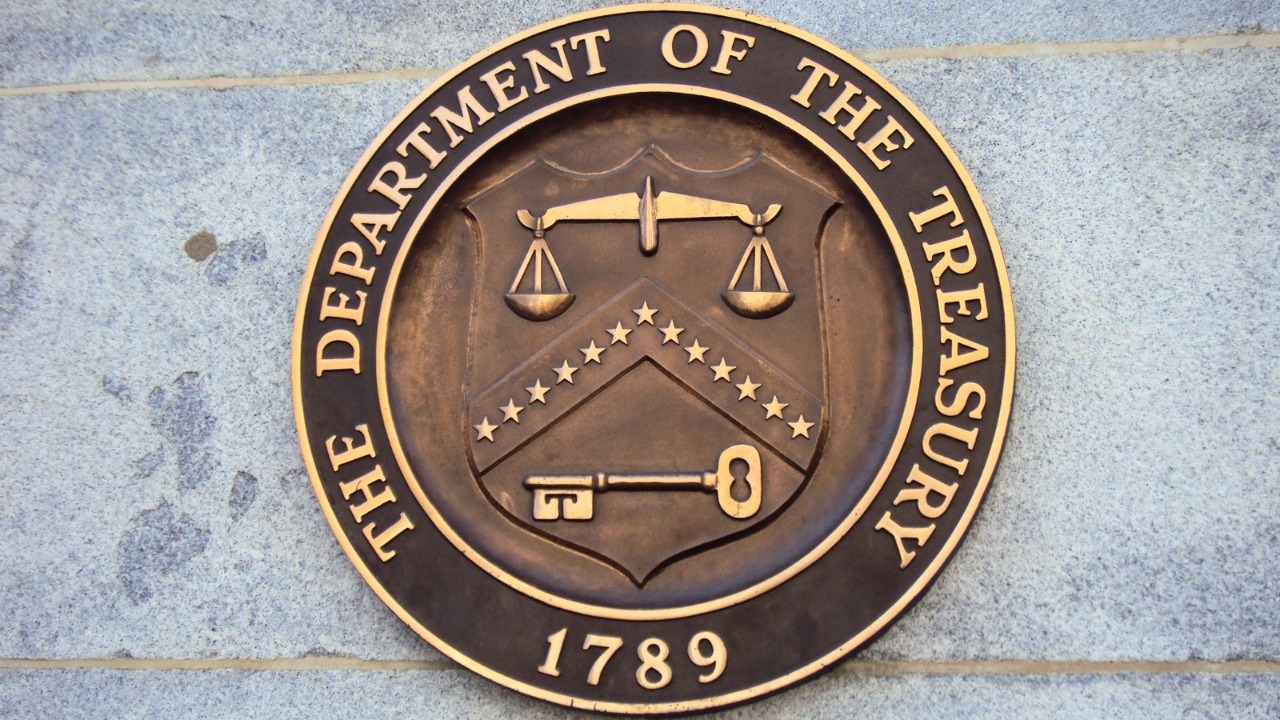
Millions of dollars in federal tax refunds go unclaimed every year, and the clock is always ticking. Under IRC Section 6511, taxpayers generally have three years from the date they filed a return, or two years from the date they paid the tax, whichever comes later, to claim a refund. Once that window closes, the IRS can no longer issue the money, and it becomes permanent property of the U.S. Treasury. For anyone who skipped filing a return or forgot to claim a credit, the deadline is not a soft suggestion. It is a hard cutoff with real financial consequences.
Why the three-year refund deadline carries real urgency in 2026
The tension behind this rule is straightforward: taxpayers who do not file on time lose money they already earned. The IRS has warned in its own public communications that “if you don’t file a return claiming a refund within three years, you lose it and the money becomes property of the U.S. Treasury.” That language, drawn from IRS outreach, leaves little room for interpretation. The forfeiture is permanent.
In practical terms, this means that a late filer who is owed a refund cannot rely on sympathy or discretion from the agency. Once the deadline passes, the IRS is legally barred from issuing the payment, even if the overpayment is obvious and undisputed. The money is simply no longer available to the taxpayer. For lower-income households, students, and gig workers with irregular filing histories, those lost refunds can represent rent, groceries, or a critical emergency fund that never arrives.
The agency does send CP81 notices to some taxpayers when it identifies a potential refund nearing expiration. But no public data from the IRS or the Taxpayer Advocate Service quantifies how many people actually receive those alerts, or whether targeted reminders at the 24‑month mark produce measurably higher filing rates than generic notices. That gap matters. If the IRS could demonstrate that earlier, more specific alerts drive timely claims, it would strengthen the case for expanding automated outreach. Without that evidence, the burden falls almost entirely on individual filers to track their own deadlines and act before the clock runs out.
Timing also intersects with public awareness. The IRS periodically issues reminders urging non-filers to come forward before they “lose their refund” and explaining that many people who are not required to file still qualify for money back. Those campaigns, highlighted on the agency’s consumer guidance, stress that unclaimed refunds are common among workers whose employers withheld income tax but whose earnings were low enough that no tax was ultimately owed. Yet outreach alone cannot overcome the legal finality of the three-year cutoff.
IRC Section 6511 and the Refund Statute Expiration Date
The legal backbone of the three-year rule is set out in IRS explanations of IRC Section 6511, which define the statutory period for claiming refunds. Once that period expires, the IRS has no authority to approve a refund claim, even if the taxpayer clearly overpaid. The Taxpayer Advocate Service, an independent office within the IRS, refers to this cutoff as the Refund Statute Expiration Date, or RSED. After the RSED passes, refunds are permanently lost.
The RSED also carries a lookback limit. Even when a claim is filed on time, the amount refundable can be capped based on how far back the underlying tax payments were made. According to the Taxpayer Advocate Service, this lookback restriction means that filing late, even within the three-year window, can reduce the refund a taxpayer receives. In other words, the deadline is not just about whether a refund is allowed at all, but how much of the overpayment can legally be returned.
Certain exceptions do exist. The IRS notes that federally declared disasters, written agreements extending the assessment period, and specific loss carryback provisions can alter the standard timeline. Combat zone service and some financial disability situations can also suspend the normal running of the clock. But for most filers, the general rule holds: three years from the original filing date, or two years from payment, is the hard boundary for recovering overpaid tax.
For taxpayers trying to navigate these rules, the practical takeaway is simple but urgent. First, file a return every year, even if you think you do not owe tax. Second, if you have skipped prior years, act quickly to submit those returns before the RSED closes the door. Third, keep records of when payments were made, so you understand how the lookback period might limit the amount you can recover. Waiting until the last moment raises the risk of mailing delays, processing issues, or documentation problems that cannot be fixed once the statute expires.
The three-year refund deadline is not just a technicality buried in the tax code. It is a firm legal boundary that determines whether overpaid taxes ever find their way back to the people who earned them. In 2026 and beyond, as more work is done through flexible jobs and side gigs that complicate filing decisions, that boundary will matter even more. Knowing the rule-and acting before time runs out-can be the difference between reclaiming a hard-earned refund and watching it disappear into the Treasury forever.