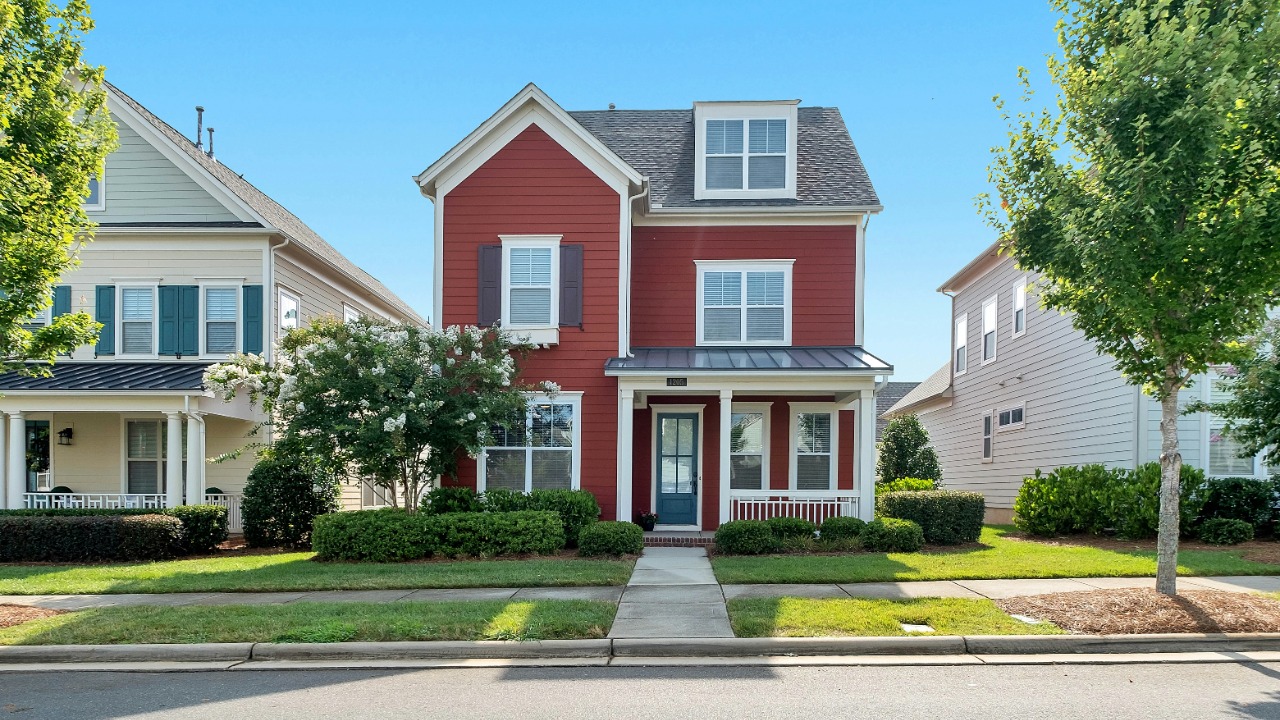
First-time homebuyers grabbed their largest share of the housing market in at least a year during May, accounting for 35 percent of existing-home sales as available inventory climbed to 1.55 million units and the frantic bidding wars of recent years continued to fade. The data, released by the National Association of Realtors on June 9, 2026, showed existing-home sales rising 3.2 percent for the month, their fastest pace of 2026 so far.
Why the 35 percent first-time buyer share matters right now
That 35 percent figure is up from 33 percent in April and 30 percent a year earlier, according to NAR data. The jump signals that rising supply is giving entry-level buyers room to compete in a market that had largely shut them out since 2022. Total housing inventory reached 1.55 million units, a 3.3 percent increase from April and a 0.6 percent gain year over year. Months’ supply, the metric that best captures how tight or loose the market feels to buyers, held at 4.5.
A months’ supply of 4.5 sits below the five-to-six-month range that economists typically consider balanced between buyers and sellers. That distinction matters for anyone watching whether first-time buyers can sustain this momentum. In metros where supply has already crossed the five-month threshold, buyers face less pressure to waive inspections or bid above asking price. Where supply remains closer to three or four months, sellers still hold meaningful leverage. The national average masks that geographic split, and first-time buyers shopping in still-tight coastal markets will not feel the same relief as those in Sun Belt cities where new construction has pushed listings higher.
The median existing-home price in May reached $429,300, a 1.3 percent increase from a year earlier. That slower pace of appreciation, combined with more listings, creates a narrower but real opening for buyers who can qualify at current mortgage rates. NAR chief economist Lawrence Yun framed the shift in practical terms, noting that more buyers are finding homes because there are more choices and less competition, as described by the AP. For would-be owners who have been repeatedly outbid, the difference between 10 offers on a property and two or three can mean the difference between renting and finally closing.
Inventory, prices, and the numbers behind the shift
The 3.2 percent monthly sales gain and the inventory increase both point in the same direction: sellers are listing, and buyers are transacting at a pace that had stalled through much of the past two years. The 1.55 million units on the market represent the highest spring inventory level since the post-pandemic rebalancing began, and the 3.3 percent month-over-month climb suggests that new listings are outpacing the rate at which homes go under contract. That dynamic tends to cool price growth, especially in markets that saw the steepest run-ups earlier in the decade.
Price growth at 1.3 percent year over year is the slowest annual gain NAR has recorded in recent reports. For a first-time buyer putting 6 percent down on a $429,300 home, even a one-percentage-point difference in price appreciation translates to roughly $4,300 in purchase price, a meaningful sum when closing costs and rate buydowns are already stretching budgets. Slower appreciation does not make homes cheap, but it can keep monthly payments from drifting completely out of reach as mortgage rates fluctuate.
Behind the national averages, the composition of inventory matters as much as the headline count. Many first-time buyers are looking for smaller single-family homes, townhouses, or condos with manageable HOA fees. Markets where the new supply is concentrated in luxury listings or large suburban properties may still feel constrained to entry-level shoppers. Conversely, areas that have seen a wave of moderately priced new construction are likely to show stronger gains in first-time buyer activity as more attainable options hit the market.
The sales rebound also reflects a gradual adjustment to higher borrowing costs. Buyers who paused searches when rates first spiked have had time to rebuild savings and recalibrate expectations. Some are opting for smaller homes or longer commutes to keep monthly payments within reach. Others are turning to down payment assistance programs or family support to bridge the affordability gap. Lenders, for their part, are rolling out more targeted products aimed at first-time buyers, though underwriting standards remain tighter than in the pre-2008 era.
What to watch heading into the second half of 2026
Whether the 35 percent first-time buyer share holds or grows will depend on how inventory, rates, and incomes move over the next several months. If listings continue to build, months’ supply could edge closer to a balanced market, easing pressure on prices and giving buyers more negotiating power. On the other hand, any renewed drop in supply or spike in mortgage rates could quickly squeeze budgets again and push some first-time buyers back to the sidelines.
Industry analysts will be watching regional data closely, since national figures can obscure sharp local differences. Tech-heavy metros and popular vacation markets, for example, may remain out of reach despite the broader cooling, while midsize cities with steady job growth and ample new construction could see a more durable opening for first-time buyers. Brokerages and housing economists often turn to detailed subscription dashboards, such as professional NAR releases, to track those shifts in real time.
For now, the May numbers mark a clear, if modest, turning point. After years of extreme scarcity and double-digit price gains, the housing market is gradually moving toward a more normal balance. First-time buyers are finally claiming a larger slice of the action, helped by rising inventory and slower price growth. If those trends continue through the rest of 2026, the narrative around homeownership could shift from one of exclusion to one of cautious opportunity for households ready to navigate a still-challenging, but no longer frenzied, market.