American drivers saw gasoline prices dip below $4 a gallon for the first time since March after U.S. benchmark crude tumbled to below $76 per barrel, a direct result of tanker traffic resuming through the Strait of Hormuz following a U.S.-Iran interim agreement. The price relief, though significant, comes with a catch: pump prices still sit 25% higher than a year ago, and the durability of the drop depends on whether the diplomatic opening holds.
Resumed Hormuz Transits and the $76 Barrel
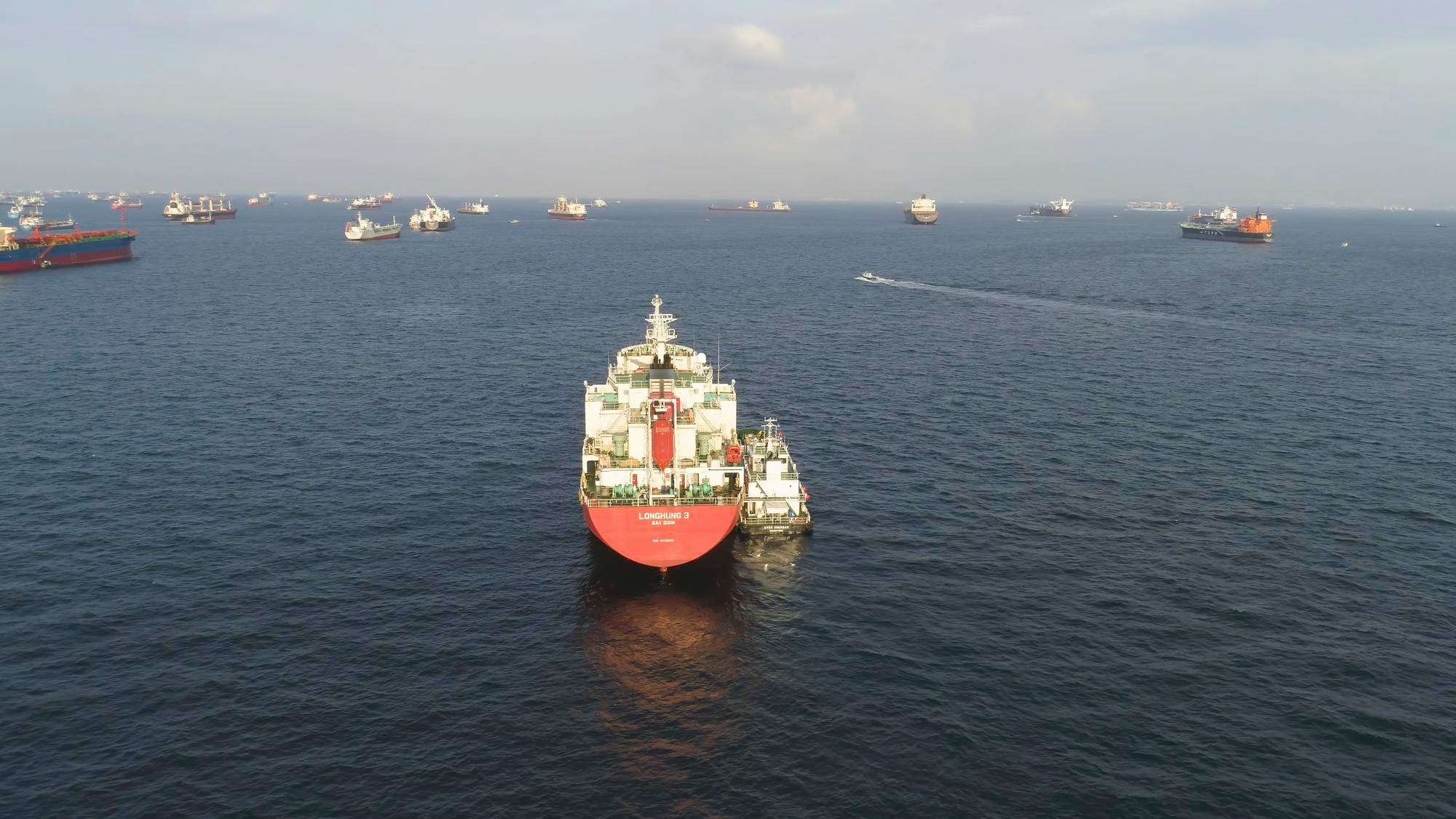
The price slide traces to a single physical change: ships are moving again. Major shipowners including European and Chinese carriers passed through the Strait of Hormuz after the U.S.-Iran interim agreement took effect. The U.S. Navy lifted its blockade on Iranian ports, and more than a dozen ships transited shortly after. A Trump envoy told U.S. lawmakers that the greatest amount of oil since the war began is now flowing through the strait, according to a White House briefing shared with Congress.
That surge in tanker volume sent crude prices sharply lower. U.S. benchmark crude fell below $76 per barrel, and the downstream effect reached retail stations within days. National average gasoline prices dropped below $4 for the first time since March, though they remain 25% above year-ago levels. The gap between the crude price decline and the slower retail adjustment reflects the typical lag as wholesale costs work through refinery margins and distribution chains before reaching the pump.
Refiners and distributors also hedge their purchases, which can delay how quickly cheaper crude shows up at the neighborhood station. Contracts signed weeks earlier at higher prices are still being delivered, so retailers often lower prices gradually rather than in lockstep with futures markets. That dynamic helps explain why some regional markets have seen steeper declines than others, depending on how exposed they are to spot purchases versus longer-term supply deals.
Testing Whether Cheaper Oil Reaches Drivers for Good
A key question for consumers is whether this relief lasts. One way to frame the test: if weekly tanker counts through the strait stay above pre-agreement levels for roughly 60 days, the sustained supply increase could push U.S. retail gasoline prices down an additional 8 to 12 cents per gallon over the next quarter, regardless of what OPEC announces in its next production meetings. That projection rests on a straightforward supply mechanism. When more barrels physically move through the world’s most important oil chokepoint, global inventories rise, spot prices soften, and refiners eventually pass savings along.
But several conditions would need to hold. Iran would need to follow through on its stated willingness to invite watchdog inspections of its nuclear sites, a commitment the Trump envoy relayed to lawmakers but one that Iranian nuclear officials have not yet confirmed publicly. The Navy’s decision to lift the blockade could be reversed if the diplomatic framework collapses or if either side accuses the other of violating the interim terms. And OPEC members could offset the new supply by cutting their own output, neutralizing the price effect before it reaches American gas stations.
Domestic factors could also blunt the impact. Seasonal maintenance at U.S. refineries, hurricane-related outages along the Gulf Coast, or unexpected equipment failures can all tighten gasoline supplies even when crude is plentiful. Environmental fuel standards that vary by state and season add another layer of complexity, sometimes limiting how quickly refiners can switch production to meet shifting regional demand.
Gaps in the Evidence on Hormuz Oil Flows
The strongest evidence for the supply surge comes from commercial shipping trackers and the White House briefing, not from Iranian port authorities or the country’s state oil company. No upstream production or export data from Iran has been released to confirm the volume claims independently. The Navy has not published an operational log or fleet statement detailing the blockade lift; the available record relies on the envoy’s remarks to Congress and commercial vessel-tracking services.
That evidence gap leaves analysts leaning heavily on indirect indicators. Satellite imagery of tanker queues, reported charter rates, and the number of laden vessels exiting Iranian waters all suggest higher flows, but they cannot fully resolve questions about the exact volumes or the durability of the increase. Energy-market specialists caution that some of the observed traffic could reflect one-time clearances of stored barrels rather than a sustained uptick in production.
Political uncertainty adds another layer of risk. Lawmakers briefed on the interim deal have pressed the administration for more transparency on enforcement mechanisms and contingency plans if Iran backtracks. Critics argue that without verifiable benchmarks on nuclear steps and oil volumes, the agreement could unravel quickly, sending crude prices back up. Supporters counter that even a temporary easing of tensions around the Hormuz corridor reduces the risk premium embedded in every barrel shipped from the region.
For drivers, the near-term takeaway is straightforward: gasoline is cheaper today because more oil is moving through a once-blocked chokepoint. Whether that savings endures will hinge less on day-to-day price charts and more on the fragile mix of diplomacy, naval posture, and cartel politics that governs the flow of crude through the Strait of Hormuz.