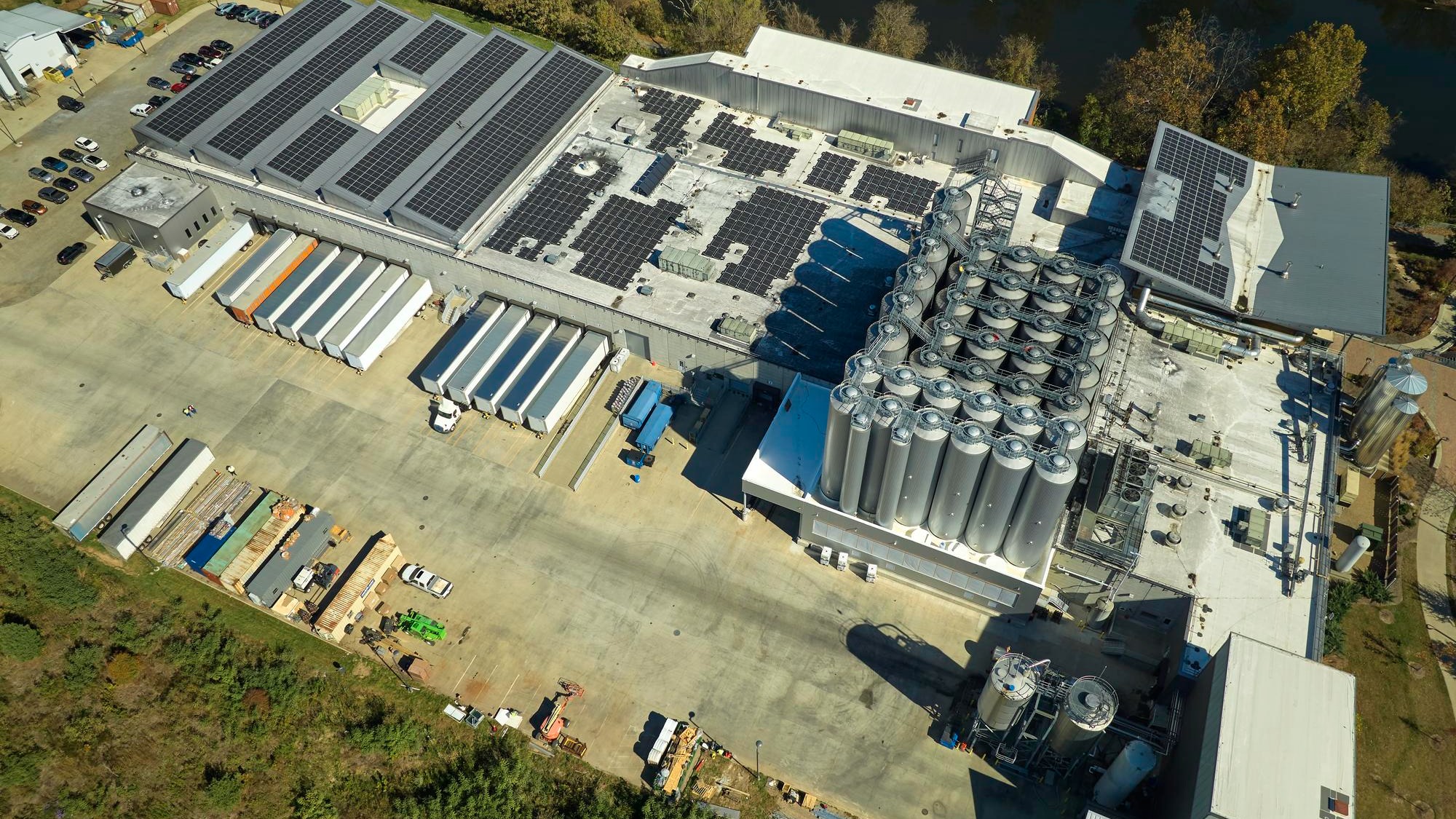
Workers at the Belvidere Assembly Plant in Illinois lost their jobs when Stellantis idled the facility, and now the promised investments that were supposed to bring them back, including a new EV battery plant, a parts distribution center, and a retooled truck production line, are in doubt. U.S. Senator Dick Durbin of Illinois publicly called on Stellantis in October 2024 to honor those commitments, which were part of a deal struck after the plant went dark. The gap between what was promised and what has materialized so far has left the Belvidere-area workforce and its surrounding economy stuck in limbo.
Why the Belvidere battery plant cancellation hits workers hardest
The Belvidere Assembly Plant was not just another factory. When Stellantis idled it, the shutdown moved the facility a step closer to permanent closure, wiping out a major employer in northern Illinois. The deal that followed was designed to reverse that damage through three distinct investments: retooling the plant for midsize truck production, building a parts distribution hub on site, and constructing an entirely new EV battery plant in the Belvidere area. Each piece was meant to create jobs and anchor the region’s role in the shift toward electric vehicles.
Scrapping the battery plant removes the single largest forward-looking component of that package. Battery cell manufacturing carries long supply chains, from raw material processing to module assembly, and those operations generate skilled positions that extend well beyond the factory floor. Without the battery facility, the economic multiplier effect that local officials and union leaders counted on shrinks considerably. Suppliers who positioned themselves to serve a battery operation now face uncertainty about whether to stay or relocate.
Senator Durbin framed the situation bluntly. His office described the original agreement as a deal that Stellantis should uphold, one that included all three investment pillars: the truck retooling, the parts center, and the battery plant. In his October statement, Durbin urged the company to meet its obligations to the community and the workers who had already borne the brunt of the shutdown. For the workers who were told their plant would reopen with new product lines and adjacent facilities, the senator’s statement confirmed what many already suspected: the revival plan is stalling.
The human cost is immediate. Many former Belvidere employees have exhausted severance and unemployment benefits, taken lower-wage jobs, or left the region altogether. Those who stayed did so in part because they believed the promised investments would restore a pathway to middle-class wages and benefits. Without clarity on the fate of the battery plant and parts center, families are left to guess whether to keep waiting or uproot their lives in search of more stable employment.
Local governments and school districts are also feeling the strain. Property tax revenues tied to the plant and its associated activity helped fund public services. A smaller industrial footprint means less money for classrooms, infrastructure, and social programs. The difference between a full three-part investment package and a partial restart centered only on truck production is measured not just in jobs, but in the long-term fiscal health of the entire region.
What the sourced record shows about Stellantis and Belvidere
Two primary records anchor the public understanding of what happened. First, the Associated Press documented the idling of the Belvidere plant, reporting that Stellantis took a step toward closure of the Illinois facility. The UAW contested the move at the time, and the shutdown became a flashpoint during broader labor negotiations between the union and the automaker. Second, Durbin’s October 2024 press release laid out the specific terms of the subsequent agreement: midsize truck production, a parts distribution center, and a new EV battery plant, all tied to the Belvidere area. In that release, Durbin pressed Stellantis to live up to its promised investments and stressed the importance of following through on every element of the plan.
No public Stellantis corporate filing or earnings transcript cited in the available record has confirmed outright cancellation of the battery plant or the parts hub. The company has not released a formal withdrawal notice through Illinois state economic development channels, at least not in any document surfaced in the reporting. The absence of that paperwork, however, does not mean the projects are on track. Instead, it has created a vacuum in which rumors, partial updates, and shifting timelines fuel anxiety among workers and local officials.
Durbin’s decision to go public suggests that, behind the scenes, negotiations over the scope and timing of the investments have hit obstacles. If Stellantis were moving smoothly toward construction of the battery plant and parts center, there would be little reason for a senior senator to issue a pointed reminder of the company’s obligations. His intervention signals that the commitments, as originally described, may be at risk of being scaled back, delayed, or redefined in ways that fall short of what Belvidere was led to expect.
The stakes extend beyond one community. Automakers across the country are recalibrating their electric vehicle strategies, and the outcome in Belvidere will be closely watched by other regions competing for EV-related facilities. If a high-profile agreement tied to a major plant reopening can be quietly pared down, it could weaken the leverage of workers and local governments in future negotiations. Conversely, if public pressure succeeds in restoring the full package of investments, Belvidere could stand as a case study in how communities can hold multinational corporations to their word.
For now, Belvidere remains in a holding pattern. The assembly plant’s future hinges not only on the return of truck production, but on whether the broader ecosystem of battery manufacturing and parts distribution materializes as promised. Until Stellantis provides clear, detailed commitments backed by visible progress on the ground, the workers who once filled the plant’s lines will continue to live with uncertainty about whether the promised comeback will ever truly arrive.