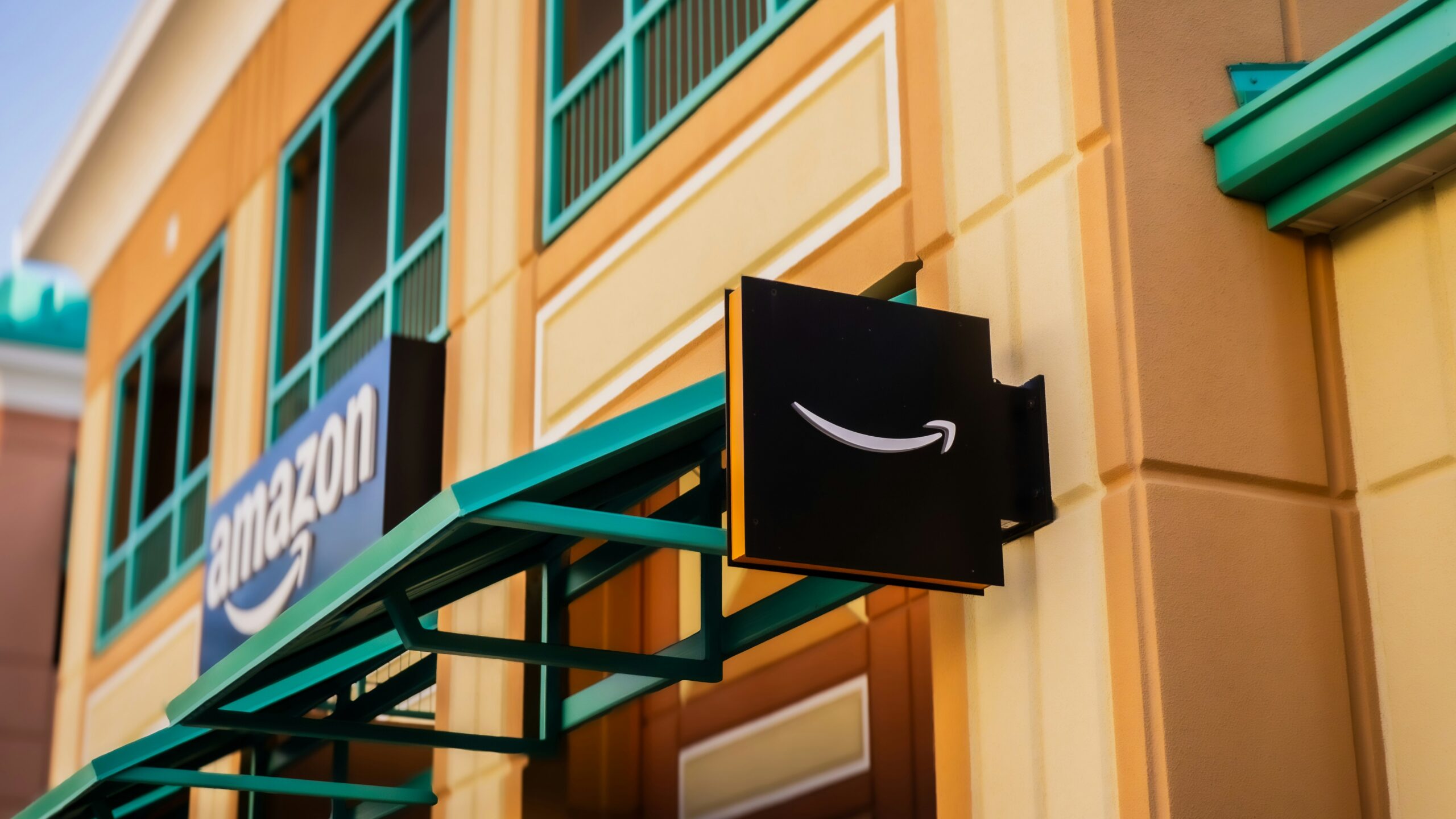
Amazon is pulling the plug on most of its Amazon Fresh grocery stores and Amazon Go convenience shops, with the majority of locations set to close within days. The company announced the decision through a corporate blog post, marking the most significant retreat yet from its years-long experiment in physical retail. California stores will stay open longer to satisfy state notification requirements, but the broader message is clear: Amazon is walking away from two of its most visible brick-and-mortar bets.
Why Amazon’s grocery and convenience store exits matter now
The closures land at a moment when Amazon has already been trimming its physical retail footprint. The company previously shuttered two clothing locations as part of a pattern of failed in-store experiments. Those earlier cuts, combined with prior rounds of Fresh and Go shutdowns, signal that Amazon’s leadership has concluded these formats cannot compete with the company’s core delivery and online operations.
One working theory is that Amazon will redirect spending from physical stores toward logistics automation and delivery infrastructure, seeking to capture customer behavior data through online orders and last-mile delivery rather than checkout-free storefronts. The Go stores, which used cameras and sensors to let shoppers skip traditional checkout lines, were expensive to build and operate. Fresh locations required cold-chain logistics and staffing levels that did not align with Amazon’s margin expectations. Whether the company’s capital expenditure filings in coming quarters show a measurable shift toward warehouse robotics and delivery automation will be the clearest test of this thesis.
For shoppers who relied on these stores for groceries or quick convenience runs, the immediate effect is a gap in neighborhood access. Amazon still operates Whole Foods locations, which it acquired in a deal that reshaped expectations for tech-driven grocery retail. But Whole Foods serves a different price tier and customer base than Fresh was designed to reach, leaving some communities with fewer mid-priced options once the closures are complete.
What the Amazon blog post and reporting confirm
Amazon disclosed the closures in a corporate announcement, and the timeline is aggressive: most stores are shutting within days. The exception is California, where state labor laws require longer advance notice before mass layoffs or store closures take effect. Amazon did not specify how many employees are affected or detail severance terms in the public statement, leaving workers and local officials to interpret the news with limited guidance.
Separate financial reporting confirmed the scope of the pullback, covering both the Fresh grocery and Go convenience formats. The full list of individual store addresses and any plans to convert locations to other uses have not been publicly released beyond wire summaries of the blog post. In markets where Amazon leases space in larger shopping centers, landlords will now be left to fill sizable vacancies on short notice.
The decision follows a pattern. Amazon launched Go stores starting in 2018 as a showcase for its “Just Walk Out” technology, betting that cashierless shopping would attract urban commuters and serve as a living laboratory for computer vision. Fresh stores opened during the pandemic as Amazon tried to capture a surge in grocery demand and offer a lower-price complement to Whole Foods. Neither format scaled to the point where it justified continued investment alongside Whole Foods and the company’s rapidly growing online grocery delivery business.
Amazon has not indicated that it will abandon its underlying retail technologies. The sensors, cameras and software that powered Go stores, as well as the supply-chain systems built for Fresh, could be repurposed for third-party retailers or for back-end use inside warehouses and fulfillment centers. That possibility underscores why the closures are less a rejection of technology than a reset of how and where Amazon deploys it.
Open questions after Amazon’s physical retail retreat
Several details are still missing from the public record. The exact number of stores closing has not been disclosed beyond broad references to “most” Fresh and Go locations, leaving analysts to estimate the impact from past store counts. Without a breakdown by region, it is hard to gauge whether Amazon is exiting certain metropolitan areas entirely or maintaining a token presence where it sees strategic value.
There are also unanswered questions about what happens to the real estate and equipment. Some locations could be converted into traditional warehouses, last-mile delivery hubs or pickup points for online orders. Others may simply be vacated, depending on lease terms and the suitability of layouts for logistics operations. The fate of specialized hardware, such as ceiling-mounted cameras and shelf sensors, will hint at whether Amazon expects to reuse the systems or write them down as sunk costs.
For employees, the lack of public detail on severance and transfers leaves significant uncertainty. Amazon has a history of moving some workers into other roles when it restructures, but with such a broad pullback in a specific line of business, not every store employee will have a clear landing spot. Local governments may press for more information on job losses, particularly in communities where Fresh or Go were among the few large employers in neighborhood retail corridors.
Strategically, the retreat raises a broader question about how far digital-first companies can stretch into traditional retail before the economics break down. Amazon’s experiment suggests that even with advanced technology and vast logistics networks, running grocery and convenience chains at scale remains a low-margin, operationally demanding business. Investors and rivals will now watch to see whether the company doubles down on e-commerce, expands partnerships with existing grocers, or quietly tests yet another physical format down the line.