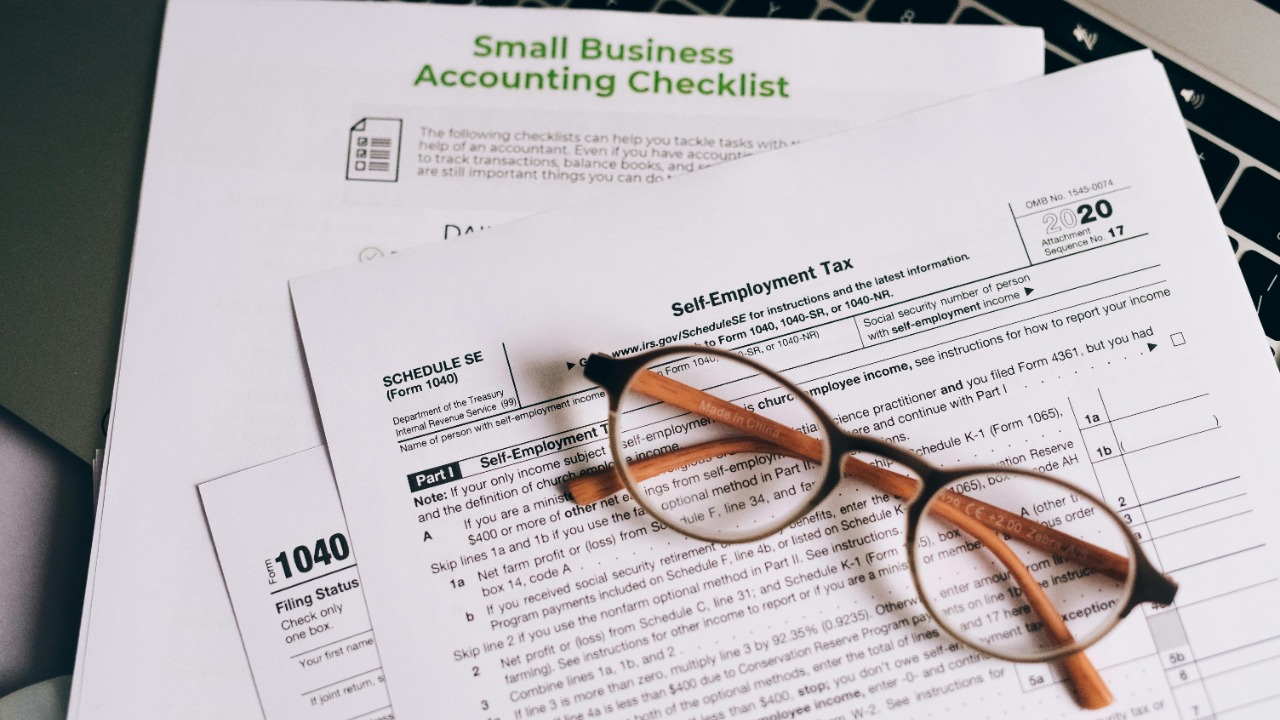
American workers saving for retirement through employer-sponsored plans will be able to set aside $24,500 in a 401(k) during 2026, a $1,000 increase over the $23,500 cap that applied in 2025. The IRS announced the adjustment through Notice 2025-67, published in Internal Revenue Bulletin 2025-49, which recalculates contribution ceilings each year based on cost-of-living changes. The bump follows an identical $1,000 step-up from 2024 to 2025, when the limit rose from $23,000 to $23,500, continuing a pattern of modest annual increases that expand tax-advantaged savings room without dramatically changing the math for workers who are not yet close to the ceiling.
Who actually benefits from the $1,000 401(k) increase
The higher cap matters most to savers who are already contributing near the maximum. A worker who put in $23,500 in 2025 and wants to shelter every available dollar can now direct an additional $1,000 into pre-tax or Roth 401(k) deferrals. For someone earning $100,000 a year, that extra room translates to roughly one more percentage point of salary going into the plan. The IRS also raised the catch-up contribution limit for participants age 50 and older to $8,000, which means those workers can defer as much as $32,500 in total during 2026.
The practical gap, though, is that most employees never get close to the annual ceiling. Median household income and persistent cost pressures on housing, food, and health care keep typical deferral rates well below the statutory maximum. A $1,000 increase to a limit that many workers do not reach is unlikely to change savings behavior at the lower end of the income scale. The adjustment functions more like a release valve for higher earners and disciplined mid-career savers who treat the cap as a target rather than a distant aspiration.
For those who can take advantage, the extra space can still be meaningful over time. An additional $1,000 invested annually for 20 years, earning a hypothetical 6% average return, could grow to more than $38,000. That is not enough to close the nation’s retirement savings gap, but it can bolster the cushion for workers already on track and provide more flexibility in how they draw down assets in retirement.
How the IRS set the 2026 deferral ceiling
The $24,500 figure is not a policy decision by Congress. It flows from a formula written into the Internal Revenue Code that ties retirement plan limits to changes in consumer prices. Each fall, the IRS publishes a notice applying that formula to the latest inflation data and rounding to the nearest $500 increment. The agency summarized the new thresholds in its November updates to news releases and then laid out the technical details in Internal Revenue Bulletin 2025-49, where Notice 2025-67 appears.
The same calculation governs a wide range of tax-advantaged accounts. Notice 2025-67 covers 401(k), 403(b), and 457 plans, as well as traditional and Roth IRAs. For 2026, the IRA contribution limit rose to $7,500, giving savers who do not have access to a workplace plan-or who want to supplement it-some additional room. Because the formula is mechanical, future increases will continue to depend on inflation data rather than on discretionary action by lawmakers.
The $24,500 cap applies only to employee elective deferrals. It does not include employer matching contributions or profit-sharing allocations, which are governed by a separate, higher ceiling on total additions to a participant’s account. Workers who see their employer match described as part of their “total 401(k) contribution” should not confuse that combined figure with the individual deferral limit. The IRS emphasizes this distinction in its retirement-plan guidance so employees and plan sponsors can avoid inadvertent excess contributions.
Gaps in who can use the higher limits
The new ceiling highlights an enduring divide in the retirement system. Higher-income workers, especially those with generous employer matches and stable careers, are far more likely to max out their 401(k)s. They benefit directly from each incremental increase because it allows them to shield more income from current taxation or to channel more into Roth accounts for tax-free withdrawals later.
Lower- and moderate-income workers, by contrast, often struggle to contribute even enough to capture the full employer match. Competing demands-from rent and child care to student loans and medical bills-make it difficult to prioritize long-term savings, even when workers understand the benefits. For these households, the 2026 adjustment is largely symbolic: the number on the plan brochure changes, but their monthly contribution may not.
There are also coverage gaps. Millions of workers, particularly in small businesses and in part-time or gig roles, still lack access to any workplace retirement plan. For them, the higher 401(k) limit is irrelevant; the more important factor is whether their state or employer eventually offers an automatic-enrollment program or other on-ramp into tax-favored saving.
What workers should consider for 2026
Workers who are already close to the 2025 limit may want to revisit their deferral elections before the 2026 plan year begins. Increasing contributions by one percentage point of pay-or by a flat amount that adds up to $1,000 over the year-can ensure they take full advantage of the new ceiling. Those age 50 and older should check whether their plan supports catch-up contributions and confirm that payroll systems are set up to handle the higher $8,000 threshold.
Others can use the new limits as a prompt to reassess their broader financial picture. Even if maxing out a 401(k) is unrealistic, nudging contributions up by a single percentage point, or committing part of a raise or bonus to retirement savings, can gradually improve long-term security. The 2026 changes do not transform the system, but they offer a slightly larger framework for workers who are ready-and able-to save more.