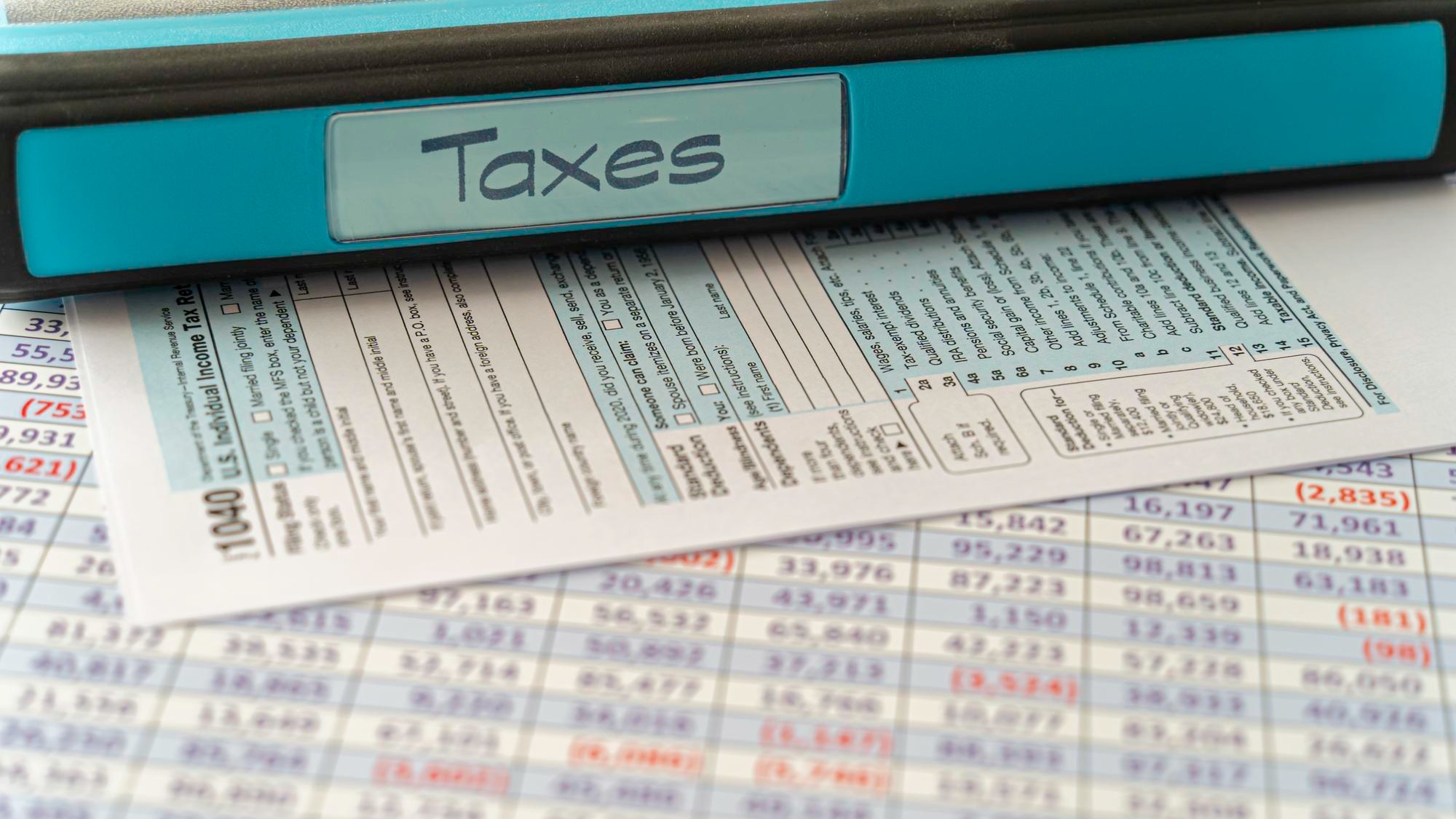
Tens of millions of taxpayers who paid IRS penalties or interest during the COVID disaster period could get that money back, but only if a paper Form 843 reaches the agency by July 10, 2026. The National Taxpayer Advocate issued a direct warning that eligibility alone is not enough: missing the filing deadline means a permanent forfeiture of refund rights. With fewer than six weeks left, the clock is running on what could be one of the largest penalty-refund windows the IRS has ever opened.
Why the July 10 Form 843 deadline carries real financial consequences
The core problem is a mismatch between who qualifies and who will actually file in time. Under Section 7508A, the IRS has authority to postpone certain tax deadlines when a federally declared disaster is in effect. The COVID-19 emergency triggered that authority, creating a defined disaster period during which penalties and interest accrued on millions of accounts. Taxpayers who were assessed those charges can now seek refunds or abatements, but the statutory window closes on July 10, 2026.
The catch is procedural. Claims must be submitted on paper using Form 843, the IRS form designated for refund or abatement of certain taxes, interest, penalties, fees, and additions to tax. There is no electronic filing option. That means taxpayers need to download the form, complete it accurately, and mail it with enough lead time for postal delivery before the cutoff. A claim postmarked July 11 is a claim denied, even if the underlying penalty clearly relates to the disaster period.
One practical question tax professionals have raised is whether attaching supporting documents speeds up processing. Taxpayers who include copies of their original penalty notices alongside a clear timeline showing the disaster-period overlap give the IRS examiner less reason to request additional information. The official instructions for Form 843 outline what documentation to include and how to structure the claim. While no published IRS data confirms faster processing times for better-documented submissions, the logic is straightforward: a complete file reduces back-and-forth correspondence that can stretch resolution by months.
Statutory authority and the Form 843 filing mechanics
The legal foundation rests on two connected provisions. Section 7508A of the Internal Revenue Code gives the IRS power to postpone deadlines tied to federally declared disasters. The implementing regulation, Treasury Regulation 301.7508A-1, spells out how those postponements apply to specific tax-related acts, including the filing of refund claims. Together, these provisions created the window that the National Taxpayer Advocate has urged the public to use before it shuts.
Form 843 itself is not new. The IRS has long used it as the standard vehicle for requesting abatements outside the normal amended-return process. What makes this moment different is scale. The Taxpayer Advocate Service has warned that tens of millions of individual and business taxpayers may have disaster-period penalties or interest that are now eligible for refund or reduction. Many of those taxpayers never filed a formal protest when the charges first appeared, assuming the amounts were non-negotiable or too small to justify professional help. Aggregated across years and accounts, however, those “small” penalties can add up to hundreds or even thousands of dollars per household.
Mechanically, a valid Form 843 claim must identify the taxpayer, specify the tax period and type of penalty or interest at issue, and clearly state the legal basis for relief. For COVID-related cases, that basis is the disaster relief authority under Section 7508A and the IRS’s own postponement notices that extended filing and payment deadlines during the emergency. Taxpayers should reference the relevant year, the notice or letter number if available, and the dates on which the penalties were assessed. A concise explanation in the “Explanation and additional claims” section can connect those facts to the disaster period, making it easier for an IRS reviewer to see why the charge should be reversed.
Who stands to benefit-and who is most at risk of missing out
The potential beneficiaries span a wide range: wage earners who filed late during the pandemic, self-employed filers who could not make estimated payments on time, and small businesses that fell behind on payroll deposits. Some taxpayers saw multiple layers of failure-to-file and failure-to-pay penalties, plus interest on top of those amounts. For them, a successful Form 843 claim could produce a meaningful cash refund or at least reduce outstanding balances that continue to accrue interest.
The taxpayers most at risk of losing out are those who assume the IRS will apply relief automatically. In some disaster situations, the agency has issued blanket penalty waivers without requiring individual claims. The National Taxpayer Advocate has emphasized that this is not one of those situations: in general, the IRS will not comb through old accounts looking for disaster-period penalties to reverse. The burden is on taxpayers to recognize potential eligibility, prepare the paperwork, and meet the July 10 mailing deadline.
Another vulnerable group includes people who moved, changed banks, or otherwise lost track of old IRS notices. Without the original penalty letter in hand, they may doubt their ability to file a proper claim. In reality, the IRS can provide account transcripts on request, and a well-drafted explanation on Form 843 can still succeed even if the taxpayer no longer has every document from the pandemic years. The key is to act before the statutory window closes; after that, even the most sympathetic case will be barred by law.
Acting before the window closes
With the deadline approaching, the practical steps are straightforward but time-sensitive: identify any COVID-era penalties or interest on your IRS account, review the Form 843 instructions, assemble supporting records, and mail the completed form with enough time for it to be postmarked by July 10, 2026. For taxpayers who paid significant amounts during the disaster period, taking those steps now could mean the difference between a permanent loss and a long-overdue refund.