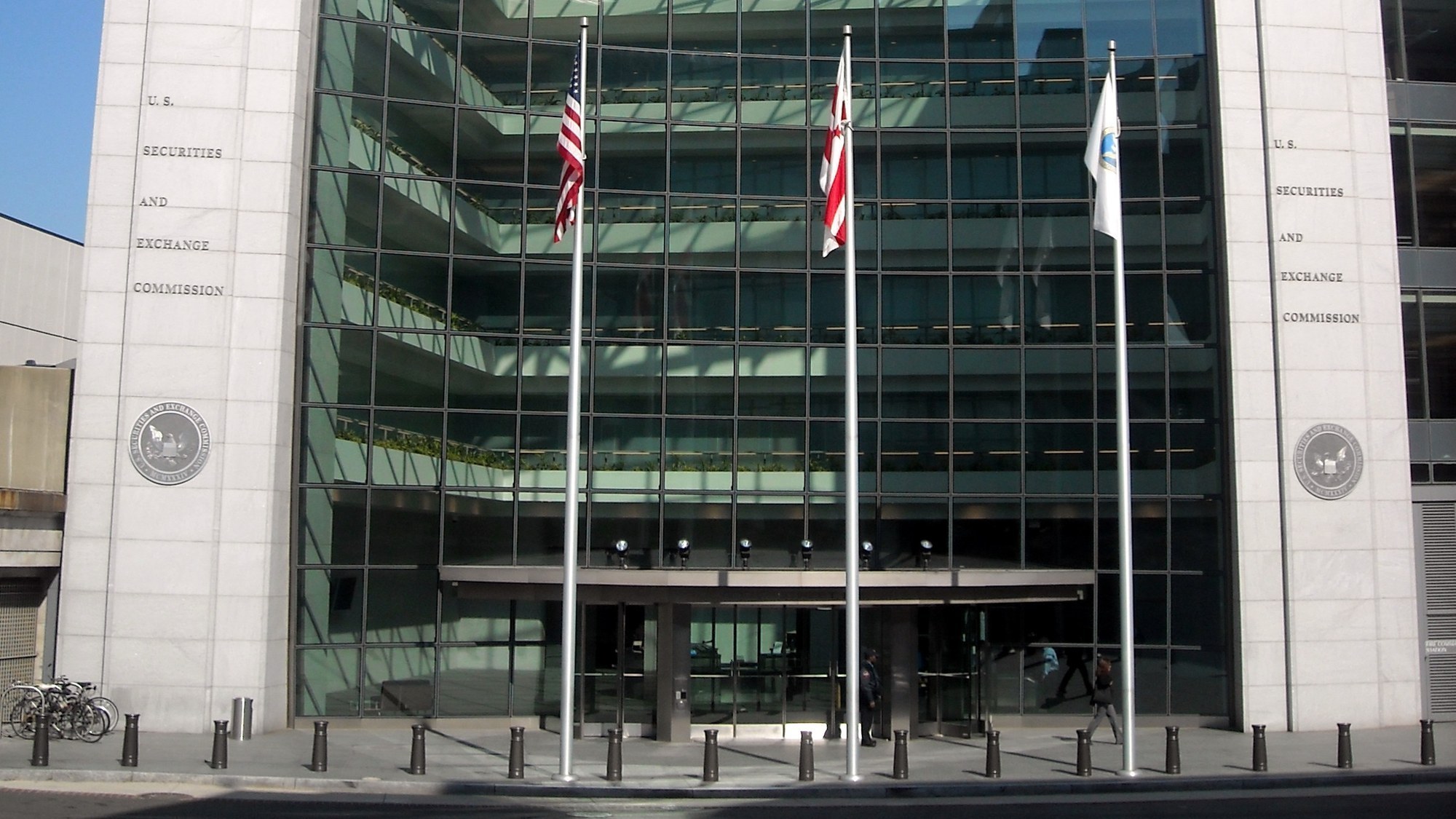
Federal authorities have accused 21 people of participating in an insider-trading operation that stretched across years and drew on stolen merger details from some of the world’s top corporate law firms. At the center of the alleged scheme is Nicolo Nourafchan, a Los Angeles-based mergers-and-acquisitions attorney who, according to the SEC, orchestrated the ring and funneled nonpublic deal information to a network of traders. The parallel criminal case filed by the U.S. Attorney’s Office for the District of Massachusetts names 30 defendants and describes illicit profits reaching tens of millions of dollars.
Why a law-firm insider-trading case of this scale matters right now
Large M&A transactions depend on strict confidentiality. When deal details leak before a public announcement, the traders who act on that information profit at the expense of ordinary investors who lack the same access. The SEC’s civil complaint, filed under litigation release LR-26551, alleges that Nourafchan and his associates exploited exactly that asymmetry over a period the agency describes as running from 2018 through 2024. The DOJ’s criminal indictment characterizes the conspiracy as decade-long, suggesting activity that may have started even earlier.
That discrepancy between the two agencies’ timelines raises a practical question: did the scheme evolve over distinct phases, or did investigators simply find stronger evidence for the later years? The SEC’s enforcement arm, which regularly posts insider-trading charges in its press-room archive, framed this case around a defined six-year span. By contrast, the Justice Department release uses broader language about a global scheme running for roughly a decade. Either way, the duration alone sets this prosecution apart from typical insider-trading cases, which tend to involve a handful of trades over months rather than a sprawling network operating for years.
The case also puts law-firm data security under direct scrutiny. According to the SEC, confidential M&A information was misappropriated from multiple global law firms. If prosecutors can show that firm systems were accessed without authorization during the exact windows when the alleged trades occurred, the resulting data trail would directly link the information theft to specific profits. That kind of evidence, matching server logs to brokerage records, would be difficult for defendants to explain away and could push firms to reassess how they segment sensitive deal files, monitor unusual access, and train employees on the risks of electronic snooping.
For investors, the allegations cut to the core of market fairness. Insider trading undermines the premise that prices reflect information available to everyone. When privileged insiders secretly trade on stolen data, ordinary shareholders may end up selling too cheaply or buying at artificially inflated prices. A case built around a practicing M&A lawyer, allegedly leveraging his professional access across multiple firms, could reinforce public skepticism about whether the playing field is truly level-especially in high-stakes merger situations where a single leak can move billions of dollars in value.
Nourafchan, 30 defendants, and the SEC’s trading-pattern trail
The SEC’s civil action names 21 individuals. The criminal case brought by the U.S. Attorney’s Office in Massachusetts, captioned USA v. Nourafchan et al., lists 30 defendants. The difference in headcount likely reflects the DOJ’s broader charging authority, which can encompass people whose roles may not meet the SEC’s civil-fraud threshold but who still face criminal liability for conspiracy, money laundering, or obstruction of justice. Some defendants may ultimately appear in both dockets; others could face only civil or only criminal exposure depending on the evidence.
According to the SEC, the agency detected the activity through trading-pattern analysis. Regulators routinely monitor unusual options and equity activity ahead of announced mergers, using surveillance tools to flag spikes in volume, out-of-the-money call purchases, or concentrated trading in thinly followed targets. When the same accounts or connected parties show up repeatedly on the winning side of pre-announcement trades, the pattern becomes a powerful signal that confidential information may be leaking.
In this case, the alleged ring generated profits described by the SEC as in the millions and by the DOJ as tens of millions. Investigators say that multiple traders, spread across jurisdictions and using different brokerage platforms, nonetheless converged on the same deals and timing. That kind of coordination is difficult to explain as mere luck or savvy research, especially when it lines up closely with internal law-firm timelines for receiving client instructions and drafting transaction documents.
The parallel proceedings also underscore how civil and criminal tools can reinforce each other. The SEC’s complaint seeks injunctions, disgorgement of alleged ill-gotten gains, and penalties, while the criminal indictment opens the door to potential prison sentences and forfeiture. Together, they signal that authorities view the alleged conduct not as a one-off lapse but as a sustained attack on market integrity rooted in professional misuse of client confidences.
For law firms, the case functions as a cautionary tale. Beyond immediate questions about who accessed what data and when, firms may face pressure from corporate clients, insurers, and regulators to demonstrate stronger controls around sensitive deal work. For market participants, the outcome will be closely watched as a test of how effectively regulators can unravel a long-running, multi-defendant insider-trading network built on the digital footprints of both information theft and trading activity.