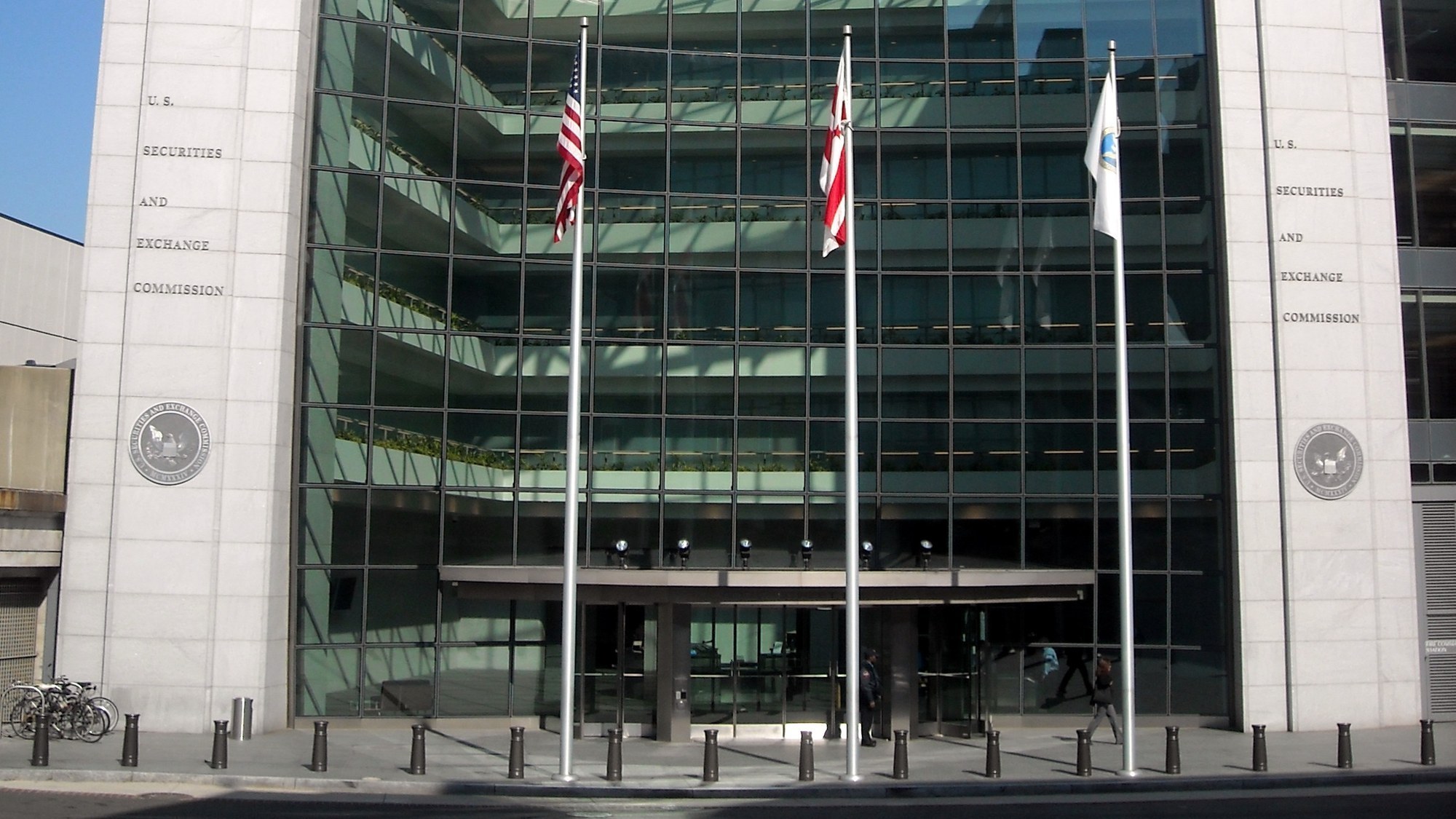
Federal prosecutors allege that a mergers-and-acquisitions lawyer spent roughly a decade stealing confidential deal information from his own law firm clients and passing it to a network of traders who turned those tips into tens of millions of dollars in illicit stock-market profits. The U.S. Securities and Exchange Commission filed civil charges against 21 individuals, while a parallel criminal indictment in the District of Massachusetts names the lawyer at the center of the alleged conspiracy. The case, which spans multiple countries, represents one of the largest insider-trading prosecutions in recent years and raises pointed questions about how law firms safeguard sensitive deal data.
A decade of alleged deal leaks and the gap in law-firm controls
The core tension in this case is not simply that someone traded on inside information. It is that the alleged scheme ran for roughly ten years before authorities intervened. According to the U.S. Attorney’s Office, the conspiracy was global in scope and generated tens of millions of dollars in illicit profits. That timeline raises a direct question: how did a single attorney allegedly access and distribute material nonpublic information about client deals for so long without triggering internal alarms?
Large law firms handling M&A work typically maintain restricted-access lists, ethical walls, and document-tracking systems designed to prevent exactly this kind of breach. A scheme lasting a year or two might reflect a clever workaround. A scheme lasting a decade suggests something more systemic. If the indictment’s timeline of trades were compared against the unnamed firm’s internal audit logs, the result could reveal whether access controls were bypassed, whether monitoring flagged anomalies that went uninvestigated, or whether the controls simply did not exist at the granularity needed to catch a motivated insider. None of the public filings released so far identify the specific law firms whose files were allegedly accessed, leaving that structural question open.
The allegations also highlight a cultural challenge inside transactional practices. Deal teams are under pressure to move quickly, share documents across offices, and keep clients updated in real time. That can incentivize broader access rights and looser sharing norms, especially for senior lawyers viewed as trusted insiders. If those norms are not counterbalanced by rigorous monitoring, even a single bad actor can quietly exploit the gap between formal policies and day-to-day practice.
SEC and DOJ filings map the alleged conspiracy
The SEC’s civil action, described in the enforcement release, names 21 defendants and alleges they used M&A deal information misappropriated from law firms to trade ahead of public announcements. The agency’s complaint outlines a pattern in which the lawyer at the center allegedly passed tips to associates, who then placed trades and kicked back a share of the profits. According to the filing, the group targeted deals across multiple sectors, repeatedly building positions just before merger announcements and then unwinding those positions once the news became public.
The criminal side is broader. The indictment in USA v. Nourafchan in the District of Massachusetts charges defendants with conspiracy and securities fraud, detailing alleged overt acts and the structure through which kickbacks flowed. Prosecutors describe layers of intermediaries, including traders who allegedly received tips second- or third-hand, as well as efforts to conceal the activity through coded messages and accounts held in the names of relatives or associates. The Department of Justice’s public statements put the total number of defendants at 30, nine more than the SEC’s civil case.
That discrepancy reflects the different legal standards and tools each agency brings to the case. The SEC can pursue civil fraud claims, seek disgorgement of profits, and impose industry bars under a lower burden of proof. The DOJ must prove criminal charges beyond a reasonable doubt, but can seek prison terms and criminal forfeiture. Some individuals may be named only in the criminal matter, others only in the civil complaint, and a subset could be fighting parallel proceedings in both forums.
For ordinary investors, the practical consequence is straightforward. Every time someone trades on stolen deal intelligence, the counterparty on the other side of that trade is at a disadvantage they never agreed to. The profits the defendants allegedly reaped did not appear out of thin air; they were effectively extracted from market participants who made decisions based on incomplete information. Over time, repeated episodes of insider trading can erode confidence that public markets are fair, particularly in sectors like mergers and acquisitions where rumors already play an outsized role in price movements.
Implications for law firms, compliance, and market trust
Beyond the individual defendants, the case is likely to reverberate through law firm risk committees and corporate compliance offices. Firms that advise on market-moving transactions may revisit who truly needs access to draft merger agreements, board presentations, and banker analyses, and how that access is logged and monitored. More granular permissions, automated alerts for unusual download or printing activity, and periodic audits of trading by firm personnel and close family members are all tools that may see renewed emphasis.
Corporate clients, for their part, may begin asking harder questions about how their advisers protect confidential information once it leaves the company’s own systems. Engagement letters and outside counsel guidelines could evolve to require more detailed descriptions of cybersecurity controls, insider-trading policies, and incident-response plans. In extreme cases, clients might even diversify their deal work among multiple firms to reduce concentration risk, though that approach carries its own costs and coordination challenges.
Ultimately, the prosecutions underscore a recurring theme in financial regulation: even sophisticated institutions can be vulnerable when trust is treated as a substitute for verification. Whether the alleged decade-long scheme reflects a singular betrayal or deeper structural weaknesses, the outcome of these cases will shape not only the defendants’ futures but also how the legal industry and regulators think about safeguarding the information that moves markets.