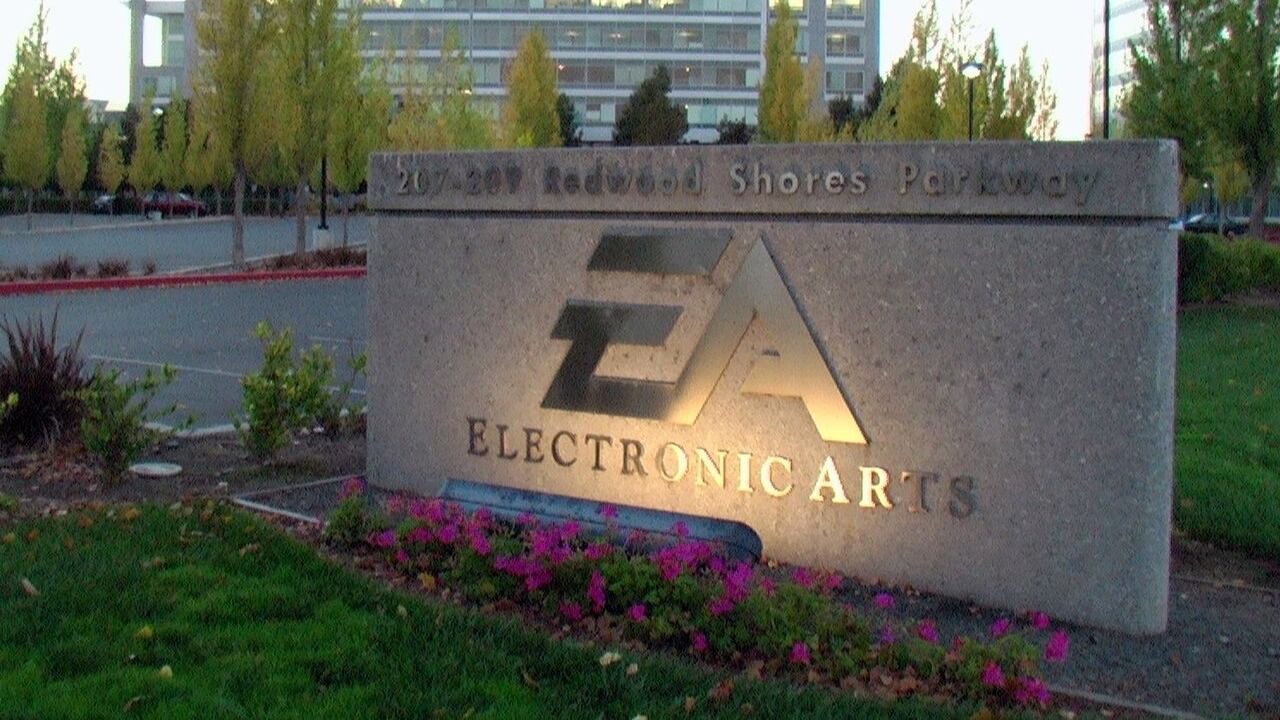
Electronic Arts shareholders face a clear deadline: a December 22 special meeting to vote on a $55 billion all-cash buyout that would take the video game giant private. The consortium of Saudi Arabia’s Public Investment Fund, Silver Lake, and Affinity Partners has agreed to pay $210 cash per share, creating what has been called the largest private equity buyout ever. If approved and cleared by regulators, the deal is expected to close by the end of the first quarter of EA’s fiscal year 2027, which falls around June 30.
What a $210-per-share premium signals about EA’s future
The price tag carries a specific bet: that EA is worth more as a private company than the public market has recognized. At approximately $55 billion in enterprise value, the consortium is paying a premium that suggests confidence in EA’s ability to accelerate revenue from its sports franchises and live-service titles without the quarterly pressure of earnings calls and analyst expectations. Freed from that cycle, a private EA could shift release schedules, invest more aggressively in recurring revenue models, and restructure operations on longer timelines than Wall Street typically tolerates.
The hypothesis worth tracking is straightforward: within 18 months of closing, changes in how EA releases games and how much revenue comes from live-service models like Ultimate Team should reveal whether the buyers’ thesis holds. If the cadence of major sports titles shifts or microtransaction-driven revenue grows faster than it did under public ownership, the premium will look justified. If not, the consortium will have overpaid for a business that already faced rising development costs and intensifying competition.
Merger structure, regulatory hurdles, and the December 22 vote
The deal’s legal architecture runs through two newly formed entities: Oak-Eagle AcquireCo, Inc. as the parent and Oak-Eagle MergerCo, Inc. as the merger subsidiary. Under the agreement, the merger subsidiary will merge into EA, and EA will survive as a wholly owned subsidiary of the parent. Shareholders who approve the transaction at the December 22 special meeting will receive $210 in cash for each share they hold.
Closing depends on more than shareholder approval. EA’s most recent quarterly filing lists required clearances including Hart-Scott-Rodino antitrust review, a Committee on Foreign Investment in the United States evaluation, and multiple foreign antitrust and foreign direct investment approvals. The involvement of PIF, a sovereign wealth fund controlled by the Saudi government, makes the CFIUS review particularly significant. That process examines whether foreign acquisitions of U.S. companies pose national security risks, and EA’s global user data and online infrastructure could draw scrutiny.
The proxy statement filed with the SEC details the board’s deliberations, fairness opinions from financial advisors, and the terms of support and rollover agreements, including PIF’s commitment to roll existing equity into the new private structure. Dissenting shareholders retain appraisal rights under Delaware law, giving them the option to seek a court-determined valuation if they believe $210 per share falls short of fair value.
Open questions before the June 30 closing target
Several gaps remain between the headline announcement and a completed transaction. One is the depth of regulatory review tied to foreign ownership. U.S. officials have increasingly scrutinized deals that combine foreign state-backed capital with large consumer data sets, and EA’s online services host millions of player accounts across console, PC, and mobile platforms. How CFIUS weighs those data flows and EA’s network infrastructure will shape both the timing and the conditions of any approval.
Another unresolved issue is how much operational control each member of the buying group will exercise once EA is private. Silver Lake has a long history of backing technology and media companies, while PIF has used its investments to expand influence in global entertainment. The balance between financial engineering, long-term content strategy, and geopolitical optics is not yet clear. Investors and employees alike will be watching for governance disclosures that spell out board composition, veto rights, and capital allocation priorities after closing.
The transaction also lands in a moment of heightened debate over Saudi investment in Western sports and entertainment. Public discussion has focused on whether such capital primarily represents a financial partnership or a reputational project for the Saudi government. Reporting from the Associated Press has highlighted how PIF-backed deals in other sectors have drawn criticism from human rights advocates and some policymakers. That broader context could influence political reactions to the EA buyout, even if regulators ultimately frame their reviews in strictly legal terms.
For current EA shareholders, the core question is whether to lock in the $210 offer or bet that either a competing bid emerges or the standalone company can create more value over time. The board has recommended the deal, citing the certainty of cash consideration and the premium to recent trading prices. Yet some long-term holders may argue that EA’s intellectual property portfolio, from sports licensing to major franchises, warrants a higher multiple than the consortium is paying.
Employees and players, meanwhile, are less focused on the merger math than on what a private EA might mean for creative risk-taking and product cadence. Cost-cutting, portfolio reshaping, and shifts in live-service design are all plausible outcomes once quarterly earnings no longer anchor decision-making. Whether that ultimately benefits players-through more stable game launches and better long-term support-or simply maximizes monetization will be one of the most closely watched storylines if the deal closes on schedule around June 30.