At Home, the Texas-based home decor chain that built its business model around high-volume imports, is shutting down 32 stores as part of its Chapter 11 bankruptcy proceedings. The closures are already underway, with liquidation firm Hilco Consumer-Retail managing store-closing sales across two separate waves. The retailer’s near-total reliance on overseas-sourced merchandise left it exposed when consumer spending patterns shifted, turning what might have been a routine inventory correction into a chain of permanent closures.
Why 32 store closures signal deeper supply chain trouble
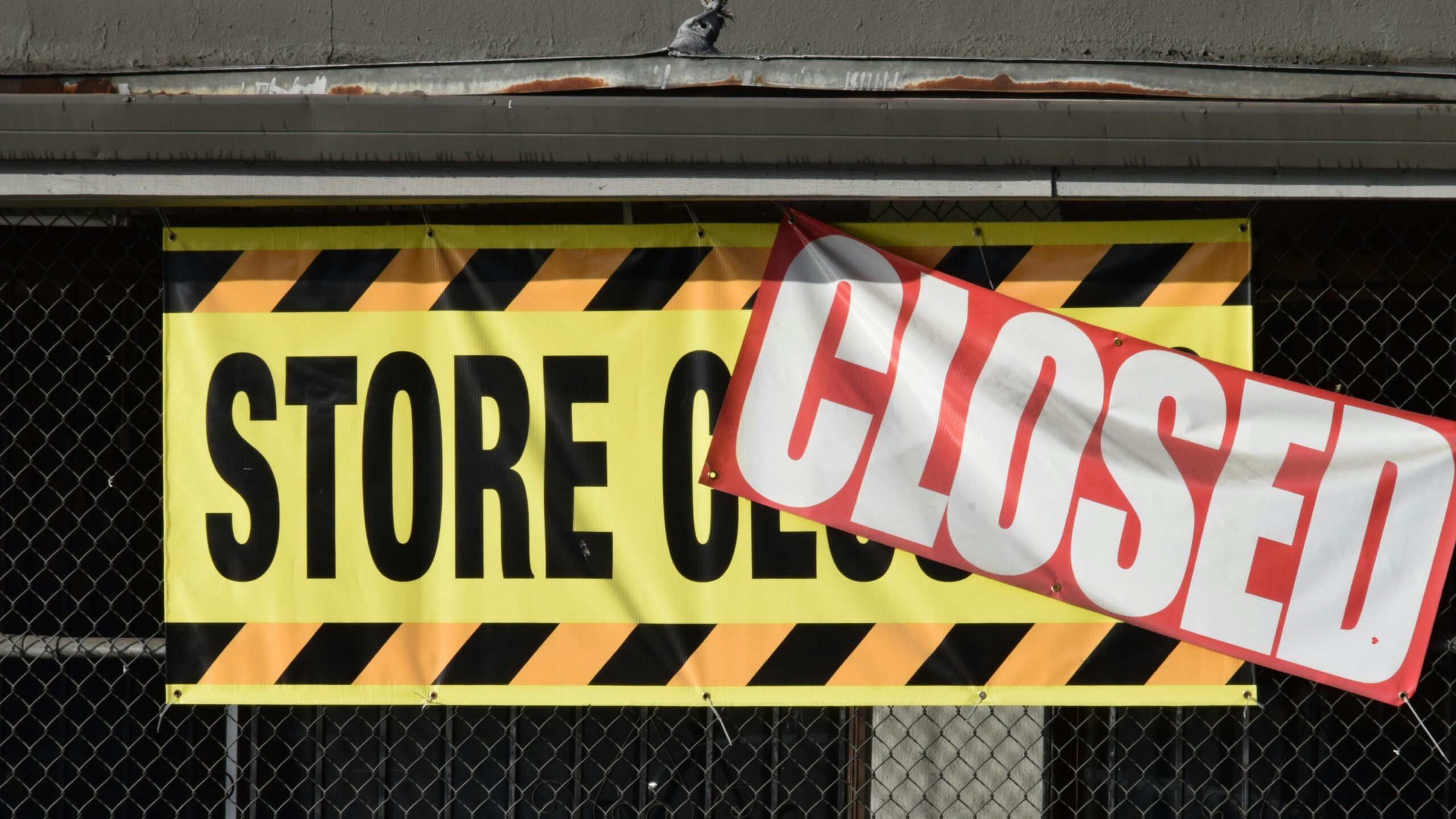
The 32 closures are not spread evenly across a broad restructuring plan. They arrived in two distinct announcements from Hilco Consumer-Retail, the liquidation partner handling the wind-down. The first wave covered 26 locations nationwide, with store-closing sales already active. A second announcement added six more sites, bringing the confirmed total to 32 stores exiting the chain’s footprint.
At Home sourced nearly all of its goods from overseas suppliers, a strategy that kept shelf prices low but created a rigid pipeline. When domestic demand for home decor cooled after the pandemic-era spending surge, the company could not quickly adjust its inbound inventory. Goods already in transit or committed under purchase orders kept arriving at stores where foot traffic had dropped. That mismatch between supply commitments and weakening sales accelerated cash burn at the store level, particularly at locations already operating on thin margins.
The 32 closures represent a targeted response to that pressure. Rather than attempting to renegotiate leases or restock with domestically sourced alternatives, At Home chose to liquidate the weakest-performing stores outright. For shoppers near those locations, the closing sales offer deep discounts on remaining inventory, but the stores will not be restocked once current merchandise is sold.
Hilco’s two-wave liquidation and what the filings show
Hilco Consumer-Retail, a firm specializing in retail inventory disposition, is running both rounds of closing sales. The company’s first announcement confirmed that major store-closing sales were already active at 26 At Home locations spread across the country. The language in that release described the sales as final, with no indication of potential reopenings or conversions to other retail formats.
A subsequent announcement from Hilco confirmed closing sale events at six additional locations, expanding the shutdown beyond the initial list. The two-phase rollout suggests the bankruptcy court approved closures in stages, likely based on lease terms, store-level financial performance, or landlord negotiations. Both announcements were distributed through PR Newswire, a standard channel for corporate restructuring updates and legal disclosures.
No publicly available court docket excerpt or bankruptcy petition has confirmed the exact Chapter 11 filing date, the full list of creditors, or the percentage of merchandise sourced from overseas suppliers. The connection between At Home’s sourcing strategy and the store closures is supported by the company’s import-heavy business model and industry commentary, but no direct company statement or securities filing has drawn an explicit causal line between the two. That leaves outside observers piecing together the role of supply chain design from the pattern of closures and the timing of liquidation activity.
How At Home’s model magnified post-pandemic volatility
At Home’s format depends on large, warehouse-style stores stocked floor to ceiling with furniture, wall art, textiles, and seasonal decor. To keep prices low across such a broad assortment, the chain leaned on long-lead overseas production, booking orders months in advance and shipping by ocean freight. That approach worked when demand was predictable and steadily rising, but it offered little flexibility once the pandemic-era boom in home spending began to unwind.
Retailers with more diversified sourcing or stronger domestic vendor relationships could scale back orders quickly and rebalance assortments toward faster-moving categories. By contrast, At Home faced containers of merchandise already en route to stores that were seeing softer traffic. The company could discount aggressively, but doing so compressed margins and tied up labor and floor space in moving product that no longer fit the moment.
In that context, the 32 closures look less like isolated underperformers and more like the most visible pressure points in a system strained by inflexible procurement. Locations with higher occupancy costs, weaker regional demand, or more competitive overlap were natural candidates for liquidation once the chain’s inventory position became a liability instead of an advantage.
What the liquidation process means for shoppers and landlords
For consumers, the store-closing events translate into steep markdowns on remaining merchandise, often escalating as the end date approaches. Hilco’s role is to maximize recovery value on that inventory, not to preserve the store base, so shoppers should not expect new stock or long-term continuity at the affected sites. Once the goods are sold, fixtures and equipment may follow, and the locations will go dark.
Landlords, meanwhile, face the challenge of backfilling large-format boxes that may not have obvious replacement tenants. Some properties could be repositioned for off-price retailers, fitness centers, or non-retail uses, but those transitions take time and capital. Until new leases are signed, the closures will leave noticeable gaps in power centers and strip malls where At Home once served as a traffic driver.
The communications strategy around the closures underscores how formal disclosure channels shape the narrative. Both Hilco announcements appeared on PR Newswire’s platform, providing a centralized, legally vetted record of which stores are affected and how the liquidation will proceed. In the absence of detailed court filings in the public domain, those releases function as the primary roadmap for understanding how At Home’s footprint is shrinking and where the chain is choosing to absorb the impact of its supply chain misalignment.