More than 4,000 investors handed over roughly $528 million to funds that marketed themselves as a way to buy shares in private companies before they went public. The pitch was simple: no upfront fees, direct access to hot pre-IPO stock. But federal regulators say the operators were quietly adding markups as high as 150 percent to every transaction, skimming more than $88 million in undisclosed profits while telling buyers they were paying nothing extra.
How hidden markups drained $88 million from pre-IPO buyers
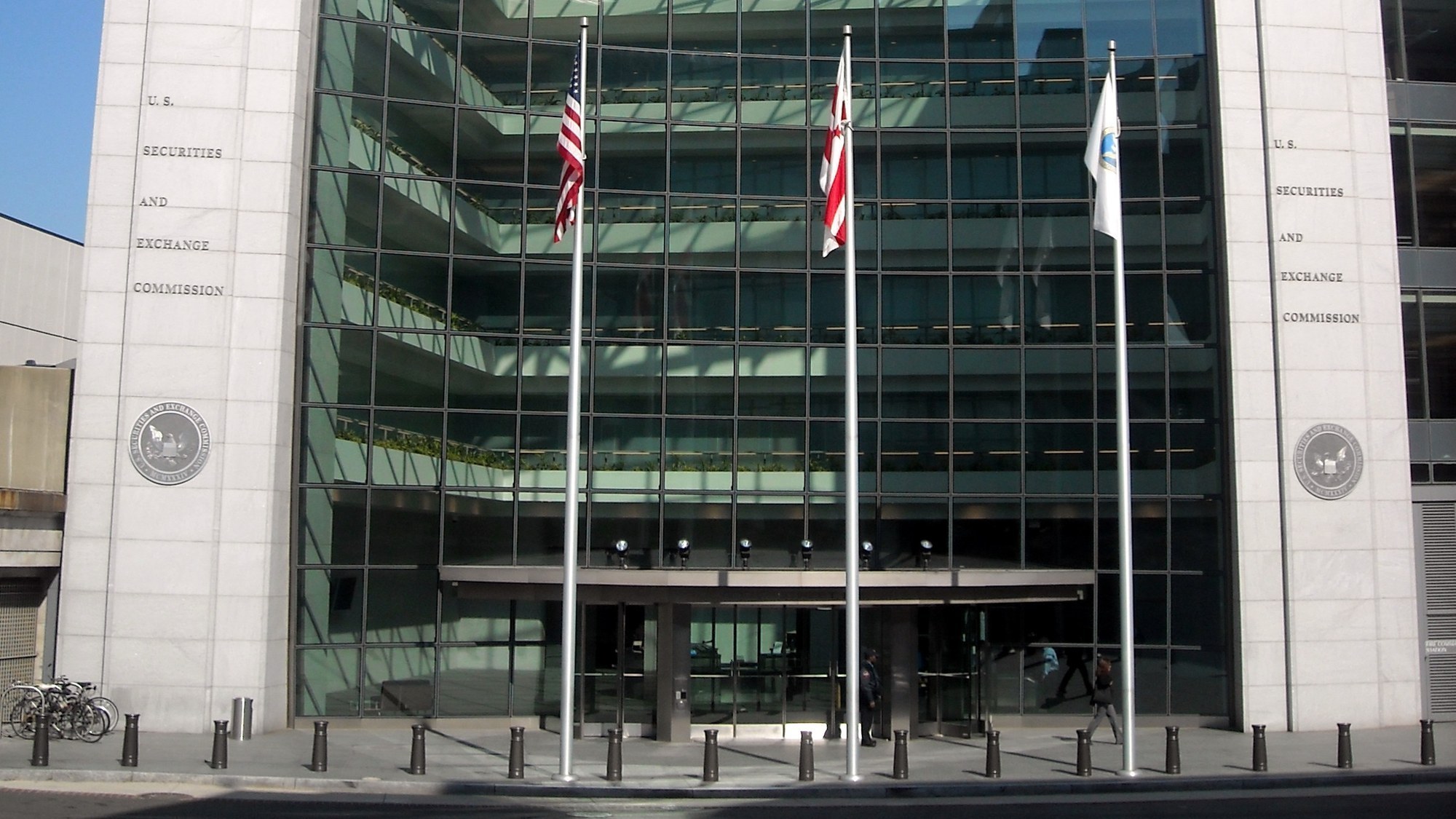
The gap between what investors were told and what they actually paid sits at the center of enforcement actions brought by both the SEC and the Department of Justice. Five unregistered brokers and four companies were charged by the SEC for running what the agency described as a widespread pre-IPO fraud scheme. According to the SEC enforcement filing, defendants told investors there were “no upfront fees,” then applied undisclosed markups that reached 150 percent on shares of private companies. The difference between the price the brokers paid for the shares and the inflated price they charged investors went straight into the operators’ pockets, totaling more than $88 million.
The mechanics worked because buyers had almost no way to verify the real cost of private shares. Unlike publicly traded stocks, pre-IPO shares have no ticker price, no daily quote, and no exchange-mandated disclosure. Investors relied entirely on the fund operators’ word that they were getting a fair deal. That trust, regulators allege, was systematically exploited. The markups were often greater than 50 percent and in some cases doubled or tripled the actual acquisition cost of the shares, meaning investors started underwater the moment they wrote a check.
Regulators say the operators also benefited from the mystique around high-profile private companies. Investors were told they were buying into coveted names that might soon list on a major exchange. In that environment, a quoted per-share price can feel abstract, especially when there is no public benchmark. Without a transparent market, even sophisticated investors can struggle to distinguish a fair valuation from one padded with hidden margins.
Parallel criminal charges and the “no fee” cold-call playbook
The SEC action did not stand alone. The U.S. Attorney’s Office for the Southern District of New York brought criminal fraud charges against former principals of private pre-IPO funds in connection with a $185 million scheme. Those defendants allegedly made direct misrepresentations that fees were waived or not charged, while applying markups that often exceeded 50 percent and sometimes reached 150 percent.
A separate indictment out of Brooklyn targeted the founder and an executive of a firm called Prior2IPO, docketed as case 23-CR-499 in the Eastern District of New York. Prosecutors described a solicitation operation built on cold calls that repeated the same “no fee” claim to potential investors. Callers allegedly emphasized exclusivity and urgency, framing the investments as limited-time opportunities available only to a select group.
The pattern across these cases is consistent: promise zero cost, then bury the real price inside the share valuation itself so investors never see a line item for fees. Instead of charging a disclosed commission, the operators allegedly bought shares at one price and immediately resold them to their own customers at a much higher price, pocketing the spread.
That structure matters because it sidesteps the disclosure obligations that registered broker-dealers must follow. None of the individuals charged in the SEC action were registered to sell securities, according to the complaint. Operating outside the regulated system allowed them to avoid the paperwork, compliance checks, and fee disclosures that licensed brokers are required to provide. It also meant investors had fewer tools to check disciplinary histories or confirm that the people pitching them investments were subject to regulatory oversight.
Unanswered questions about investor losses and valuation gaps
Several pieces of the story remain incomplete. The SEC complaint references subscription agreements and markup ledgers, but those documents have not been attached to the public press release. Without those details, it is difficult to reconstruct how prices were set for individual offerings, or to see whether certain investors were charged higher markups than others.
Another open question is how the inflated prices compared with any internal or third-party valuations. Regulators say the spreads between acquisition cost and resale price were large enough to generate more than $88 million in secret profits, but have not publicly broken out how much of the $528 million raised represented fair value versus pure markup. That gap will matter for investors trying to estimate their potential recovery.
It is also unclear how many of the underlying private companies ultimately went public or were acquired, and at what valuations. If some portfolio companies later increased in value, certain investors may have seen gains despite the alleged overcharging. Others may have been locked into illiquid positions that never had a realistic path to an exit.
The cases highlight how difficult it can be for individual investors to diligence private-share offerings. Basic steps-such as checking whether a salesperson is a registered broker or whether an offering is being made through a regulated platform-can help flag red flags. The SEC’s own resources, including its EDGAR access tools, can provide background on issuers and related entities, though they may not capture every intermediary involved in a pre-IPO deal.
For now, the enforcement actions send a clear signal: calling a fee a “markup” and embedding it in a pre-IPO share price does not excuse failing to disclose it. As the civil and criminal cases move forward, investors who bought into these funds will be watching to see how much of their money can be traced-and how much, if any, will ultimately come back.