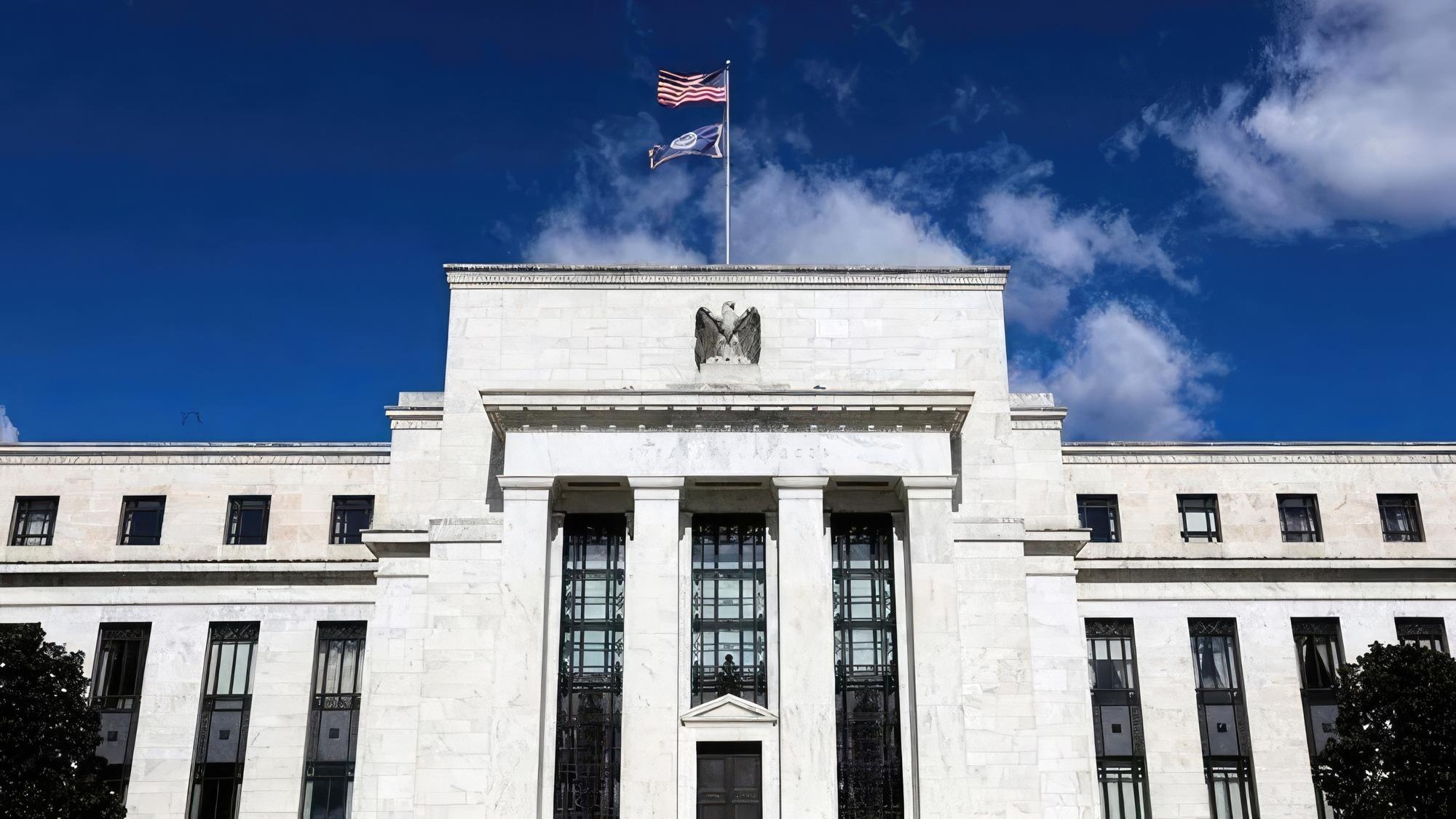
The three agencies that write capital rules for the largest U.S. banks opened a 90-day public comment window on March 19, 2026, with a June 18 deadline, on proposals that would change how much equity those firms must hold against mortgages, corporate loans, and trading positions. The Federal Reserve, the Federal Deposit Insurance Corporation, and the Office of the Comptroller of the Currency described the package as a modernization of risk-based capital standards for Category I and Category II banking organizations. If finalized, the rules would alter the math behind risk-weighted assets, the single number that determines whether a bank can pay dividends, buy back shares, or expand lending.
What the capital proposals would change for big bank balance sheets
The joint notice of proposed rulemaking targets three distinct areas: the standardized approach for calculating risk-weighted assets, the treatment of mortgage servicing assets, and requirements for banks with significant trading activity. The agencies framed the effort as better aligning capital charges with actual risk while reducing compliance complexity, according to the Federal Reserve’s joint release. That framing matters because the current framework has drawn persistent criticism from bank holding companies that argue inflated risk weights force them to hold excess capital, raising borrowing costs for businesses and consumers.
FDIC Chairman Travis Hill, in a statement delivered at the board meeting where the proposals were approved for public comment, characterized the package as improving risk-sensitivity in mortgage and corporate lending and moving toward a “single stack” of requirements. His remarks suggest the agencies want to collapse overlapping layers of capital measurement into a simpler structure, which would reduce the reporting burden on the largest firms. The FDIC announcement confirmed the same June 18, 2026, comment deadline and described the proposals’ scope in terms that closely mirror the Fed’s description of modernizing the risk-based capital framework.
The Office of the Comptroller of the Currency joined the effort through a parallel notice, emphasizing consistency across the largest national banks and federal savings associations. In its own capital statement, the OCC highlighted the goal of a more comparable and transparent capital regime for firms with complex trading and lending books, aligning supervisory expectations across the three agencies. Taken together, the releases underscore that the project is meant to be a unified recalibration rather than three separate rulemakings that could diverge in substance.
The practical question is whether recalibrated risk weights would produce a measurable drop in aggregate risk-weighted assets reported by Category I banks. If the standardized approach assigns lower weights to certain mortgage or corporate exposures, banks could free up capital without raising a single dollar of new equity. That freed capital could flow into lending, share repurchases, or dividend increases. The effect would show up first in quarterly FR Y-9C filings, the consolidated financial statements that bank holding companies submit to the Federal Reserve. No agency has published a quantitative estimate of the expected capital relief by asset class or bank category, so the actual magnitude remains an open question until comment letters and any final rule fill in those gaps.
Three proposals, one deadline, and no final numbers yet
The agencies released the proposals simultaneously on March 19, 2026, and the FDIC board considered all three notices of proposed rulemaking at an open meeting the same day. The proposals apply to Category I and II banking organizations, the designation that covers the eight U.S. global systemically important banks and other large firms with total assets or cross-jurisdictional activity above certain thresholds. Smaller banks can opt in voluntarily but are not required to adopt the new framework, which the agencies say is tailored to institutions with the most complex risk profiles.
One gap stands out in the public record so far. None of the agency releases include modeled estimates of how much capital would be freed, which banks would benefit most, or how the changes interact with annual stress-test results. Without those figures, comment letters from industry groups, individual banking organizations, and public-interest advocates are likely to focus on their own impact analyses and scenario work. Large banks that believe they are overcapitalized under the current regime are expected to argue that the proposals do not go far enough, while consumer and prudential advocates may warn that lower risk weights could reintroduce vulnerabilities that post-crisis reforms were designed to contain.
The shared June 18, 2026, deadline gives stakeholders a limited but defined window to shape the outcome. During that period, banks will be running parallel calculations to estimate how their reported ratios would change, and trade associations are likely to coordinate data to present a more comprehensive picture of the system-wide impact. At the same time, supervisors will be reviewing potential interactions with other elements of the capital stack, including leverage ratios and buffers tied to stress-test performance, to avoid unintended gaps or overlaps.
Because the proposals arrive as a package, the agencies have also signaled that they will be looking at cross-cutting themes in the comment file rather than treating each notice in isolation. That could include whether the move toward a “single stack” of requirements genuinely simplifies reporting, how the new standardized approach compares with internal models that some large banks still use for risk management, and whether the treatment of mortgage servicing assets and trading exposures strikes the right balance between resilience and credit availability.
From here, the process is predictable but consequential. After the comment period closes, staff at the Federal Reserve, FDIC, and OCC will review submissions, consider adjustments, and decide whether to re-propose, finalize with changes, or leave certain elements on hold. Until a final rule is adopted and an implementation timeline is set, the proposals remain a forward-looking signal rather than a binding constraint. For now, the message from all three agencies is that they are prepared to rethink how capital requirements map to actual risk on big-bank balance sheets, but they are asking markets, banks, and the public to help determine how far that rethinking should go.