Charles Cole, a 57-year-old from Mooresville, North Carolina, told executives at a technology company he could deliver $55 billion in funding. Federal prosecutors say none of that money existed. Before the deception collapsed, Cole had already collected at least 239 million shares of Infinite Reality, a firm now known as Napster, and used those shares as collateral to pursue loans. The U.S. Attorney’s Office for the Southern District of New York unsealed an indictment charging Cole with wire fraud, conspiracy to commit wire fraud, and conspiracy to commit securities fraud for a scheme that allegedly ran from about June 2024 through about March 2026.
How fabricated records produced 239 million shares
The criminal case describes a step-by-step con built on forged documents. Prosecutors say Cole presented fabricated bank records, sham correspondence, and even a fake bank-mirror website to convince the company that he controlled billions of dollars in cash. On the strength of those materials, Infinite Reality issued at least 239 million shares to Cole or entities he controlled, according to the charging documents.
Cole allegedly told the company he would arrange massive financing in exchange for equity. To make that promise look real, he is accused of producing letters that appeared to come from a major financial institution, along with screenshots and online interfaces that seemed to show multibillion-dollar balances. The federal indictment says those materials were entirely fictitious, but they were convincing enough that the firm treated Cole as a deep-pocketed investor and granted him a huge equity stake.
Once Cole controlled the shares, he allegedly moved to unlock their apparent value. Prosecutors say he pledged the stock as collateral to seek loans from third parties, representing that his stake was backed by genuine wealth. The scheme depended on two layers of trust: the company had to accept that he had billions in cash, and lenders had to accept that the resulting shares were valid and unencumbered. According to the indictment, neither assumption held up once the underlying records were scrutinized.
The plan fell apart when Infinite Reality rescinded the shares, a step that cut off the collateral pipeline and exposed the gap between Cole’s claims and verifiable assets. The company had been valued in the billions after a major fundraise, which meant a block of 239 million shares could have carried substantial nominal value depending on the per-share price at the time of issuance. When that equity vanished, so did the foundation for any loans tied to it.
Parallel SEC action and named co-defendants
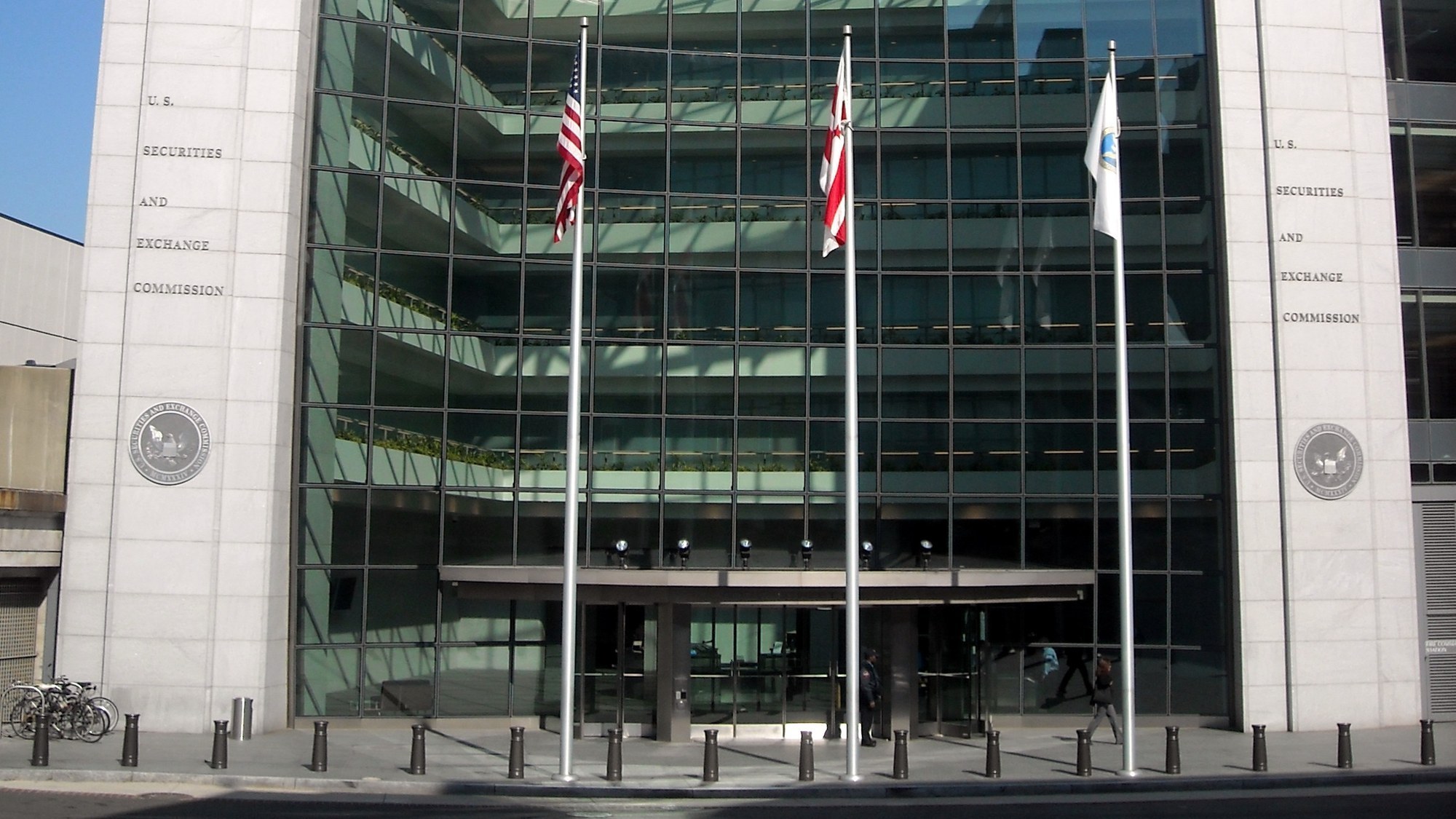
The Securities and Exchange Commission filed a parallel civil enforcement action that tracks many of the same allegations. In its complaint, the agency accuses Cole of orchestrating a fraudulent scheme to obtain and monetize the company’s stock. The SEC litigation release names Cole, attorney Torben M. Welch, and three Cole-controlled entities: Beacon Heart, Heart of Humanity, and Avranoc.
Regulators allege that Welch, acting as counsel, helped legitimize the sham funding arrangement and facilitated the share issuance, though the precise contours of his alleged role will be tested in court. The SEC also designated relief defendants The Indigenous Nations’ Bank, Derek A. Thiess, and Barry R. Taylor, signaling that officials believe additional parties received proceeds or assets tied to the alleged fraud, even if they are not accused of intentional wrongdoing. Relief defendants can be required to disgorge ill-gotten gains if a court finds they hold funds traceable to the scheme.
The criminal and civil cases will proceed on separate tracks but focus on the same core conduct: using fabricated financial backing to obtain a massive equity position, then trying to turn that paper wealth into real-world cash. Cole faces up to 20 years in prison on the wire fraud count alone, with additional exposure on the conspiracy and securities-fraud charges if he is convicted.
A verification gap that private issuers have yet to close
The case highlights structural weaknesses in how some private companies vet large investors. Public companies that trade on major exchanges typically rely on regulated transfer agents and depositories with strict identity and ownership checks before shares change hands. Private issuers operate under lighter requirements and often lean on internal processes or outside counsel rather than infrastructure built for public markets.
Cole’s ability to obtain and then pledge 239 million shares raises a direct question: did the transfer agent or internal controls at Infinite Reality apply the kind of verification that a public-market depository would demand? The indictment suggests the answer is no. A fake bank website and forged letters were apparently sufficient to trigger a share issuance that appeared to be worth hundreds of millions of dollars. Lenders who accepted Cole’s pledged shares as collateral also appear not to have independently confirmed the legitimacy of his holdings before extending credit.
That verification gap matters beyond this single case. As more high-growth firms approach public listings or complex merger structures, their share-transfer practices may carry over habits from their private-company origins, where informal relationships and speed can trump rigorous due diligence. The Cole allegations serve as a warning that sophisticated-looking documents and impressive funding promises are no substitute for direct confirmation with financial institutions and careful review of how-and why-large blocks of stock are being issued.