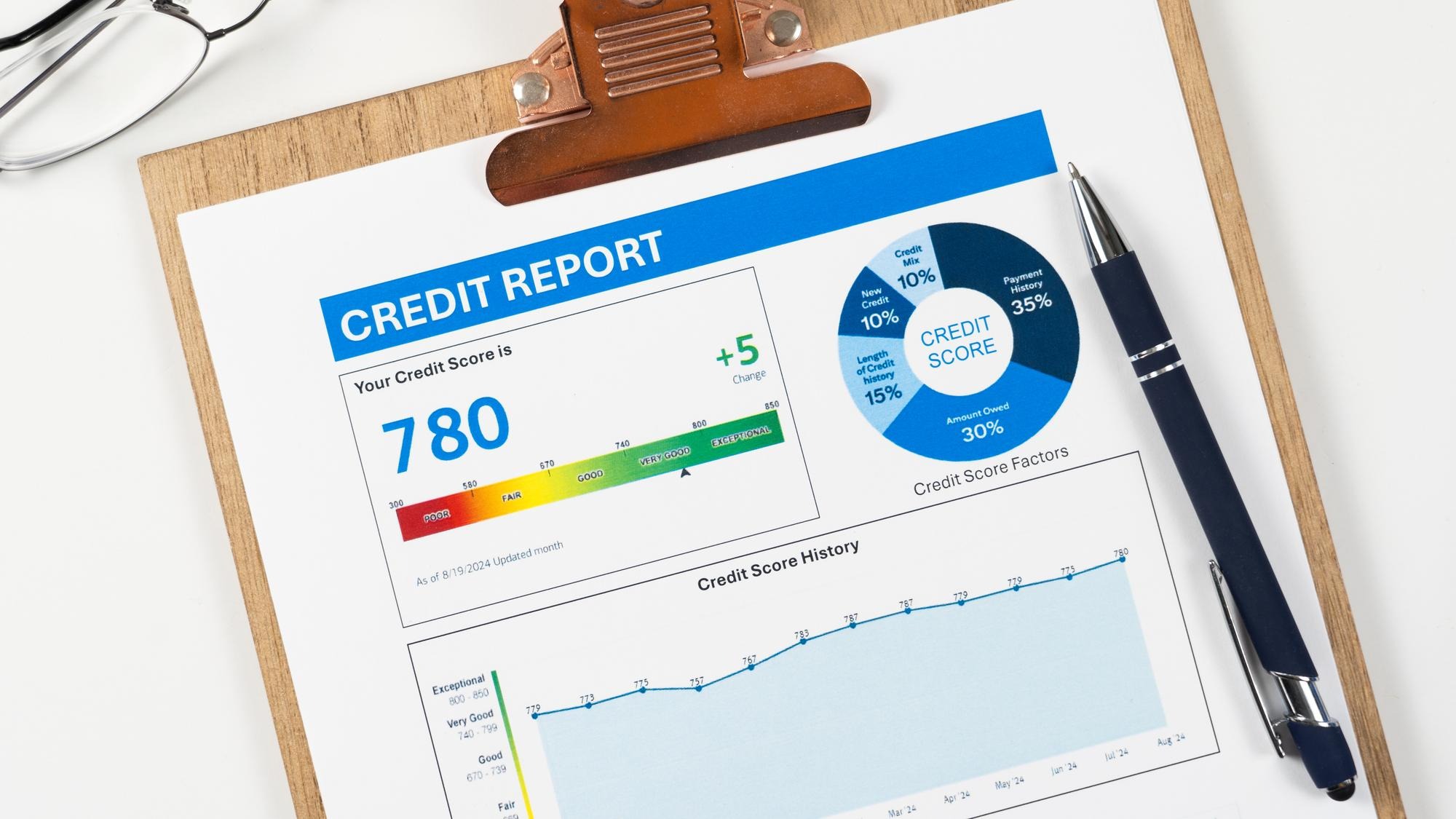
Equifax, Experian, and TransUnion have permanently extended a program that lets any consumer pull a free credit report from each bureau once a week through AnnualCreditReport.com. The change, which began as a temporary pandemic-era measure, means households no longer need to wait 12 months between free checks or pay third-party services to keep tabs on their credit files. For anyone carrying debt, applying for a mortgage, or watching for signs of identity theft, the weekly option removes a significant cost barrier to routine financial monitoring.
Weekly Free Reports Replace the Old Once-a-Year Limit
Federal law under 15 U.S.C. Section 1681j requires the three nationwide consumer reporting agencies to provide one free disclosure per 12-month period when a consumer requests it through the centralized source. That baseline right still exists. What changed is the bureaus’ voluntary decision to go beyond the statutory minimum and offer weekly access at no charge, a step the Federal Trade Commission confirmed in an alert updated in October 2023.
The practical difference is large. Under the old annual schedule, an error or fraudulent account could sit undetected for months. Weekly access compresses that window dramatically, giving consumers the ability to spot problems soon after they appear. The question is whether broader access will translate into more disputes and corrections. If the hypothesis holds that free weekly reports drive a measurable rise in dispute filings, the signal should eventually show up in aggregated complaint data collected by the Consumer Financial Protection Bureau and the FTC. No public dataset yet confirms or denies that pattern, which means the effect of the permanent extension on consumer behavior is still an open research gap.
Where the Legal Framework and Bureau Commitments Align
AnnualCreditReport.com is the only federally authorized website for requesting these free reports. The site exists because CFPB Regulation V, specifically Section 1022.136, requires all nationwide consumer reporting agencies to jointly design, fund, and operate a centralized source for annual file disclosures. That centralized source must include a single dedicated website, a toll-free telephone number, and a mailing address. The bureaus share the cost and infrastructure, which is why the reports come from one portal rather than three separate sites.
Under Regulation V, the centralized system also has to meet standards for accessibility, hours of operation, and capacity so that consumers are not blocked by busy signals or technical failures. The three bureaus are required to coordinate on these operational details, but they retain discretion to offer more generous access than the law demands. The decision to allow weekly reports is an example of that voluntary expansion layered on top of a mandatory framework.
Multiple federal agencies point consumers to the same destination. USA.gov identifies AnnualCreditReport.com as the only government-authorized site for free reports from all three bureaus. Consumer.gov states plainly that the nationwide credit bureaus let consumers get a free report online once a week. The CFPB’s own consumer guidance confirms the right to one free copy per year from each bureau and notes that consumers may be able to view free reports more frequently online. All of these references converge on the same access point, which reduces the risk that someone will accidentally hand personal data to an imposter site.
Gaps in Data on Dispute Rates and Consumer Outcomes
The permanent extension is well documented by federal agencies, but several questions remain unanswered. Neither the FTC nor the CFPB has published data showing how many consumers actually pull weekly reports or how that volume compares with pre-pandemic annual request totals. Without those numbers, it is impossible to measure whether the policy change is reaching the people most vulnerable to credit errors or fraud.
Equifax, Experian, and TransUnion have not released public breakdowns of usage by income, geography, or credit score band. That lack of granularity matters because credit reporting problems are not evenly distributed. Consumers with thin files, recent delinquencies, or histories of collection accounts are typically at higher risk of inaccuracies and of being denied credit or charged higher prices based on those files. If weekly access is used mostly by already well-served borrowers, the equity impact of the extension could be modest.
There is also little public evidence on how weekly monitoring affects dispute behavior. In theory, more frequent checks should help people catch and challenge errors earlier, potentially reducing the downstream damage from a mixed file, a wrongly reported late payment, or an identity theft incident. Earlier detection could shorten the time a negative item sits on a report and therefore limit the number of credit decisions influenced by that error. But without aggregated statistics on dispute volumes, resolution times, and outcomes before and after the extension, these benefits remain largely hypothetical.
Another open question is whether weekly access changes how consumers interact with paid credit monitoring services. Some subscription products bundle alerts, scores, and identity theft insurance along with report access. If a large share of users shift to relying on free weekly reports instead, that could reshape the market for those services. On the other hand, if awareness of the free option remains low, paid monitoring may continue to dominate simply because it is more heavily advertised.
For now, the policy story is clear while the impact story is incomplete. Federal law guarantees at least one free report per year from each bureau through a centralized system, and the three major agencies have committed to making those reports available weekly at no cost. What remains to be seen is how many people take advantage of that access, who they are, and whether earlier visibility into their files meaningfully reduces errors, fraud losses, and credit denials. Until agencies or researchers publish more detailed data, the weekly reports will stand as a promising but only partially measured tool for consumer protection.