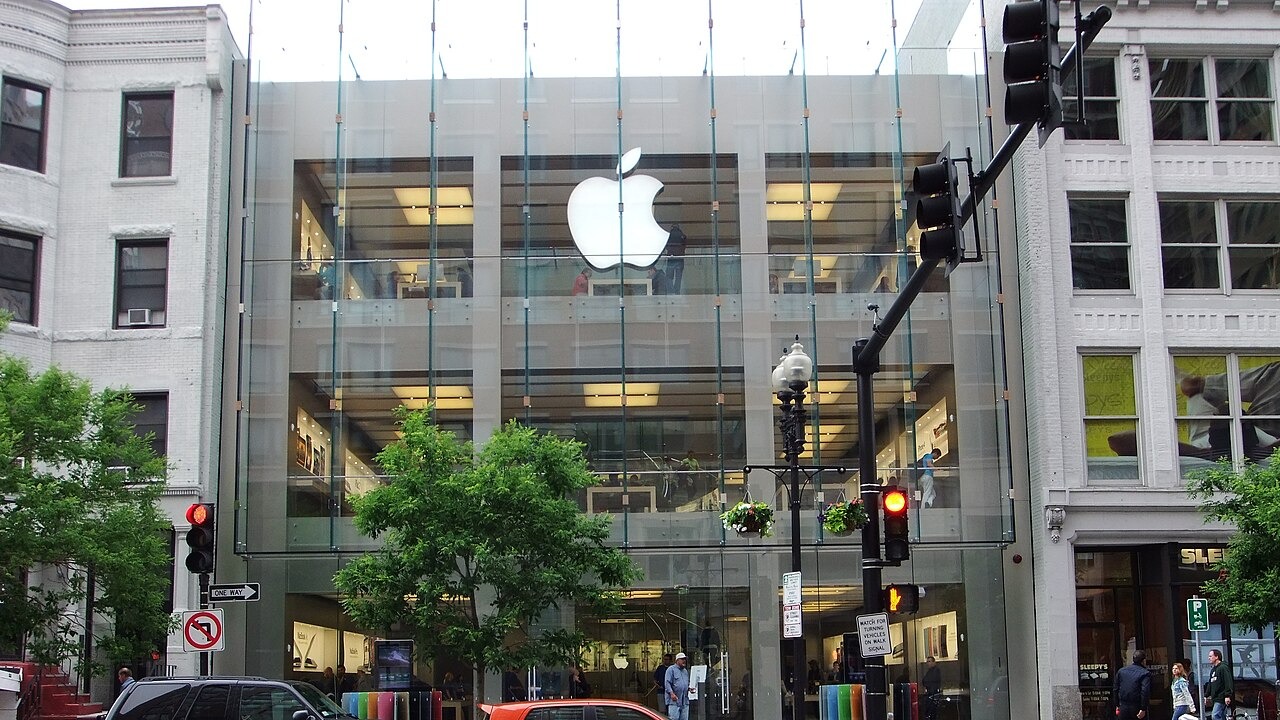
Apple plans to close three U.S. retail locations this month, and one of them is the company’s only unionized store in the country. The Towson Town Center store in Towson, Maryland, where workers voted to form a union, is set to shut its doors alongside two other locations in malls that Apple says have seen declining visitor numbers. On the same day the closures take effect, an unfair labor practice charge was filed against Apple with the National Labor Relations Board, raising pointed questions about whether foot traffic or labor relations drove the decision.
Why the Towson closure stands apart from the other two
Apple has framed all three closures as responses to weakening mall performance. But the Towson store carries a distinction none of the others share: it is Apple’s first unionized U.S. store, where retail employees organized and won collective bargaining rights. Closing it eliminates the only active union footprint inside Apple’s American retail operation. That fact alone separates the Towson decision from routine real estate optimization.
The timing sharpens the tension. A formal unfair labor practice charge, NLRB Case 05-CA-385721, was filed against Apple on April 27, 2026, and names the Towson location. The charge carries open status, meaning the federal agency has not yet resolved the complaint. Filing an unfair labor practice charge on the date a store is set to close suggests the workers or their representatives view the shutdown itself as retaliatory or otherwise unlawful.
Apple has not publicly released comparative foot traffic data showing that the Towson mall performed worse than the locations of its non-union stores. Without that data, the company’s stated rationale rests on assertion rather than evidence. A unionized store carries higher labor costs through negotiated wages and benefits, and its continued operation sets a precedent that other Apple retail workers could follow. Shutting it down removes both the cost and the example.
The NLRB filing and the congressional response
The NLRB docket confirms that the charge filed in Case 05-CA-385721 is a signed complaint against Apple as the employer, tied specifically to the Towson, Maryland location. The case is open, which means investigators have accepted the filing and the matter is under review. If the Board’s regional office finds merit, it could issue a formal complaint and potentially seek remedies, including an order to reopen the store or compensate affected workers.
The closure decision also drew attention on Capitol Hill. A congressional letter sent in early May cited the initial reporting on the Towson shutdown as a basis for scrutiny. Lawmakers referenced the store’s union status and questioned whether Apple’s decision complied with federal labor law. That letter treated the closure not as a routine business choice but as a potential act of retaliation against organized workers, a framing that tracks closely with the NLRB charge.
For the workers at Towson, the practical stakes are immediate. Losing the store means losing their jobs at the only Apple location where a collective bargaining agreement governed their working conditions. Transfers to non-union stores would strip those protections. The NLRB case is the primary legal avenue available to challenge the closure, but federal labor proceedings can take months or longer to resolve.