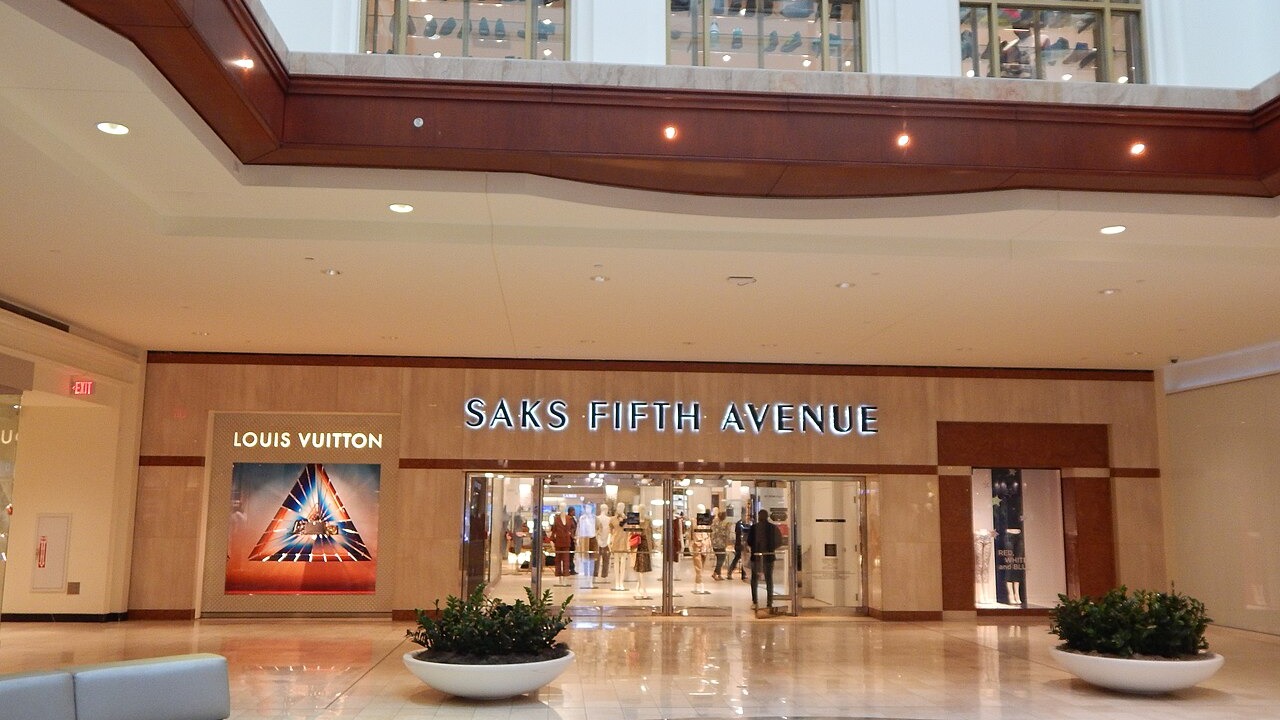
Saks Global Enterprises LLC is shutting down eight Saks Fifth Avenue stores and roughly 57 Off 5th outlet locations as it moves through Chapter 11 bankruptcy, a sweeping contraction that will reshape one of the best-known names in American luxury retail. The company is also closing one Neiman Marcus store. The Saks Fifth Avenue locations slated for closure will remain open through the end of April, giving shoppers and employees a narrow window before the doors close for good.
Why the Off 5th liquidation dwarfs the Fifth Avenue cuts
The numbers tell a lopsided story. Eight full-price Saks Fifth Avenue stores are being eliminated, but the far larger blow falls on the discount side of the business, where most Off 5th and Last Call locations are being shut down during the restructuring. Going-out-of-business sales at those outlet stores are designed to raise cash and help pay down creditors, turning clearance inventory into immediate liquidity.
That split matters for what Saks Global looks like after it emerges from bankruptcy. By preserving its strongest full-price flagships and shedding dozens of discount outlets, the company is concentrating its retail footprint around higher-margin merchandise. If the strategy works, the surviving store portfolio should tilt same-store sales toward full-price channels within a few quarters of emergence, a shift that would improve gross margins even on a smaller revenue base. The tradeoff is obvious: fewer stores means fewer jobs, less geographic reach, and a smaller safety net if consumer spending on luxury goods softens.
The Off 5th closures also undercut a key entry point for aspirational shoppers who relied on outlet pricing to access designer labels. Without those stores, Saks Global is betting that online channels and a smaller set of physical locations can capture enough of that demand to justify the contraction. Analysts watching the case say the company is effectively choosing to protect its brand halo and profitability over scale, a calculation that has become more common in a retail landscape where traffic has shifted online and mall-based outlets face rising costs.
Debt load and court filings behind the closures
Saks Global filed its Chapter 11 case in the U.S. Bankruptcy Court for the Southern District of Texas, where the docket is being administered through the Stretto claims and noticing platform. The filing followed months of pressure from a debt load that the company could no longer service, a problem rooted in the 2024 merger that combined Saks Fifth Avenue, Neiman Marcus, and the Off 5th chain under a single corporate umbrella.
The company secured post-petition financing to keep operations running during the restructuring, though the exact dollar amount and repayment schedule have not been confirmed through publicly available court exhibits. An executive statement framed the store closures as a step toward optimizing the company’s footprint for long-term profitability. The eight Saks Fifth Avenue closures and one Neiman Marcus closure were announced after the initial Off 5th shutdown plan, suggesting a phased approach to right-sizing the portfolio.
Under Chapter 11, Saks Global can reject unprofitable leases, renegotiate with landlords, and sell assets while maintaining day-to-day operations. Court oversight also gives major creditors a say in how aggressively the footprint is trimmed. According to bankruptcy filings summarized by the Associated Press, the company has signaled that further changes to its store base could follow if negotiations over rent and vendor terms fall short of targeted savings.
Those same filings outline a framework in which lenders could take equity in a reorganized Saks Global in exchange for reducing outstanding debt. That would leave existing owners with a smaller stake but could give the retailer a cleaner balance sheet and more flexibility to invest in e-commerce, store renovations, and data-driven merchandising once it exits court protection.
Unanswered questions for employees and shoppers
Several critical details are still missing from the public record. The specific cities and addresses of the eight Saks Fifth Avenue stores being closed have not appeared in the summarized docket entries. Employee headcounts at the affected locations and any severance terms tied to the roughly 57 Off 5th closures remain undisclosed. The single Neiman Marcus store closure lacks any detailed filing beyond its initial mention, leaving open questions about whether additional Neiman Marcus locations could be at risk if sales trends weaken or cost-cutting targets are not met.
For store employees, the uncertainty is especially acute. Without clear timelines for when individual outlets will wind down, workers are left to infer their fate from liquidation signage and internal memos. Some may be offered transfers to surviving locations, but with dozens of stores disappearing, the overall number of available positions is shrinking. Local communities that host Off 5th centers or regional Saks flagships face the loss of anchor tenants that help drive traffic to neighboring retailers.
Shoppers, meanwhile, are being nudged to act quickly. Going-out-of-business sales typically grow steeper as closing dates approach, but popular sizes and brands tend to vanish early in the process. Customers who rely on in-person tailoring, styling services, or beauty counters will have to decide whether to shift to remaining stores or migrate entirely online. For luxury brands carried by Saks and Neiman Marcus, the reshaped footprint could mean renegotiated wholesale arrangements or a heavier emphasis on direct-to-consumer channels.
What comes next hinges on how swiftly Saks Global can win court approval for its restructuring plan and secure creditor backing. If the company can stabilize operations around a leaner network of profitable stores and a stronger digital platform, the current wave of closures may mark a painful but finite reset. If not, the Chapter 11 case could foreshadow a deeper retreat from brick-and-mortar retail, with consequences that extend well beyond the luxury sector.