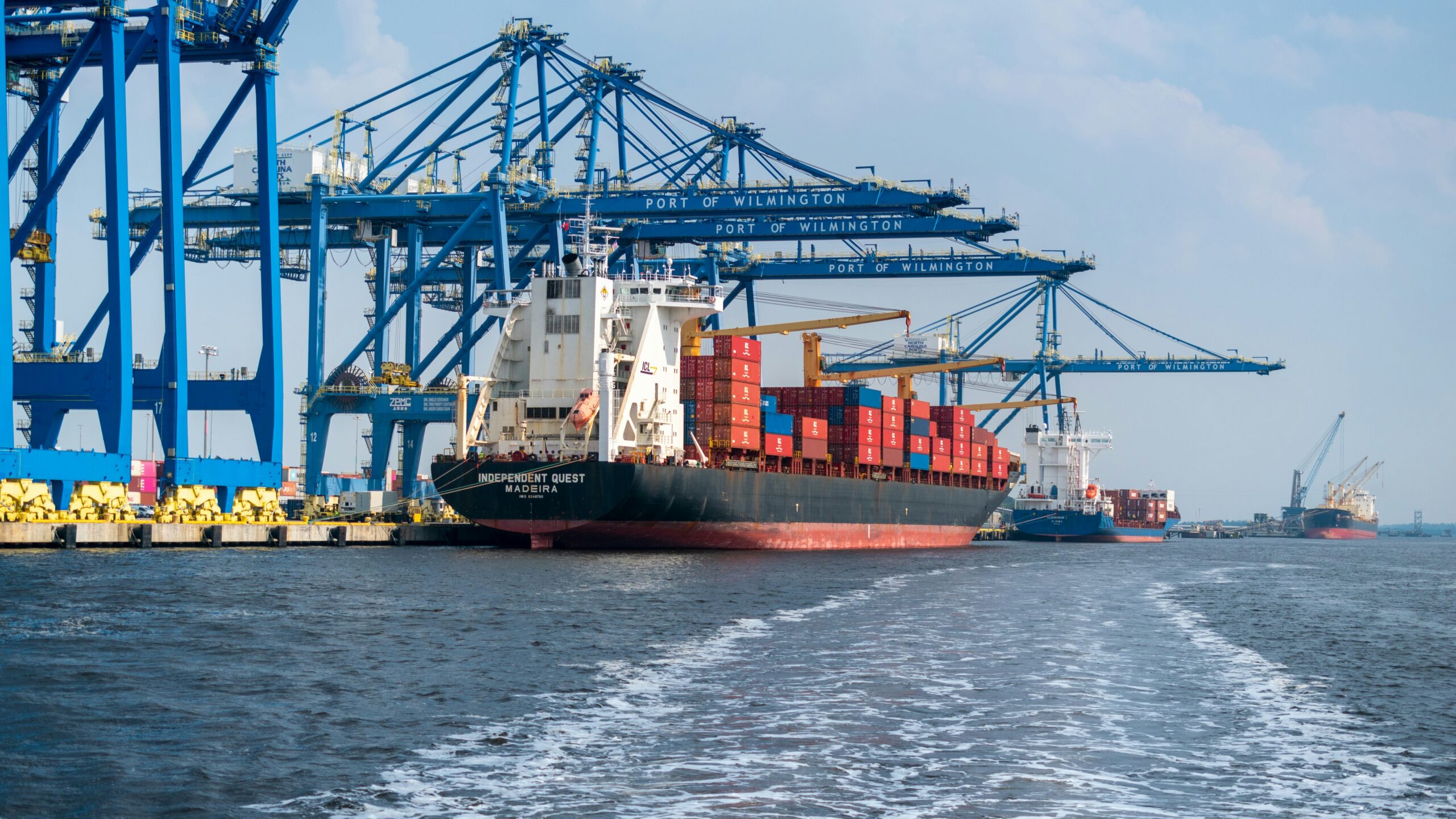
Thousands of American importers that paid tariffs later struck down by the Supreme Court are still waiting for their money. The federal government collected roughly $166 billion under tariffs imposed through the International Emergency Economic Powers Act (IEEPA), but only about $22 billion has been returned so far. With the administration now moving to appeal a court order that would open refunds to every affected importer, the gap between what was taken and what has been repaid is growing wider by the week.
Why the $144 billion refund gap keeps growing
The core tension is straightforward: the Supreme Court ruled the IEEPA tariffs illegal, yet the government is releasing funds at a pace that leaves most importers empty-handed. As of late May, Customs and Border Protection had accepted roughly applications totaling about $85 billion for processing, but only about $20.6 billion of that had been directed to the Treasury for actual payment. The difference between accepted applications and approved payments suggests a bottleneck inside the administrative pipeline, not a shortage of eligible claims.
The administration’s decision to appeal the order granting universal refund eligibility adds a second layer of delay. By challenging whether all importers can seek relief or only the original plaintiffs who brought the case, the government is effectively controlling the speed and scale of outflows from the Treasury. Large companies with legal teams and cash reserves can afford to wait. Smaller importers, many of whom operate on thin margins in sectors like retail, agriculture, and auto parts, face a different calculus. For them, every month of delay translates into higher borrowing costs and constrained purchasing power.
One way to read the appeal is as a test of leverage. If the government can limit refund eligibility to the original plaintiffs, the total liability shrinks dramatically. Even if the appeal fails, the months spent litigating buy time. The practical question is whether large importers will accept partial or phased administrative settlements rather than endure years of additional court proceedings. Tracking the rate at which CBP approves refund applications after the appeal was filed, compared with the pace before it, will reveal whether that strategy is working, and whether the $144 billion gap begins to close or continues to widen.
GM’s $500 million claim and what CBP filings show
General Motors offers the clearest window into the scale of individual corporate exposure. The automaker has said it expects about $500 million in refunds once processing is complete, a figure that reflects tariffs paid on imported vehicles and components during the period the IEEPA duties were in effect. That single claim represents more than two percent of the roughly $20.6 billion the government has so far sent to the Treasury for repayment.
CBP court filings provide broader context. The agency’s own documents reference the number of importers and shipments caught up in the tariffs, with approximately $166 billion collected in total. Those filings form the evidentiary backbone of the refund dispute, because they establish both the universe of affected parties and the dollar amounts at stake. The gap between what CBP has accepted for processing and what has actually been paid out points to a system that is reviewing claims far more slowly than it is receiving them.
For companies like GM, a half-billion-dollar refund is material but manageable on a corporate balance sheet. For mid-size manufacturers and distributors, by contrast, tariff payments often tied up working capital they could not easily replace. Many relied on short-term credit to cover duties on incoming shipments, betting that either the tariffs would be lifted or that legal challenges would eventually prevail. The Supreme Court’s ruling vindicated that bet in legal terms, but the pace of refunds has left the financial strain largely intact.
Industry lawyers say the mechanics of the refund process compound that strain. Importers must document each affected entry line, match it to the relevant tariff classification, and certify that the duties were paid under the invalidated IEEPA regime. CBP then conducts its own verification before forwarding approved amounts to the Treasury for disbursement. Any discrepancy or missing documentation can send a claim back for clarification, adding weeks or months to the timeline.
The GM claim underscores another dynamic: concentration of exposure among a relatively small number of large importers. Automakers, electronics companies, and major retailers account for a disproportionate share of the $166 billion collected. Their claims alone could absorb most of the $85 billion already in the processing queue. That leaves smaller firms competing for attention and administrative bandwidth inside CBP, even though the legal basis for their refunds is identical.
What’s at stake for importers and the government
The outcome of the administration’s appeal will determine whether the refund program remains effectively closed to non-plaintiffs or opens fully to every importer that paid IEEPA tariffs. If the government prevails, thousands of firms that followed the rules but did not join the original litigation could be left with no direct path to recovery. If it loses, the Treasury faces the prospect of returning most of the $166 billion, on top of interest and administrative costs.
In the meantime, the widening gap between what was collected and what has been repaid is reshaping business decisions. Some importers are postponing investments, delaying hiring, or renegotiating supplier contracts in anticipation of eventual refunds that remain stuck in the pipeline. Others are writing off part of what they are owed, treating the tariffs as a sunk cost rather than a future asset.
How quickly that calculus changes will depend less on new court rulings than on the day-to-day pace of CBP approvals. Unless processing accelerates sharply, the $144 billion still in limbo will continue to function as an involuntary, interest-free loan from importers to the federal government-one that, for many smaller firms, is becoming harder to carry with each passing quarter.