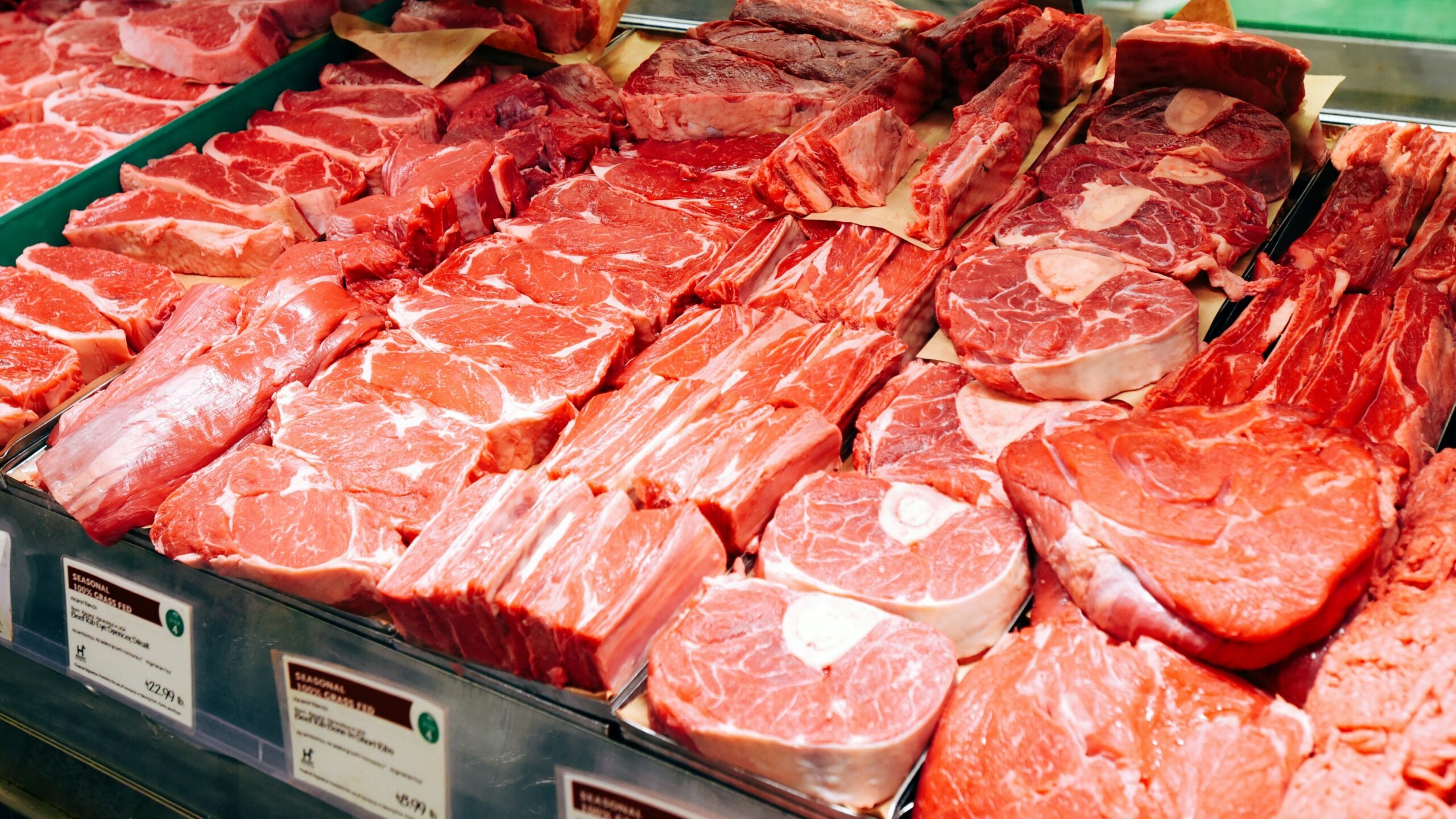
Restaurants, caterers, and other commercial food buyers who purchased raw beef in the United States over the past decade can now file claims against a $47,000,000 settlement fund from Tyson, and they do not need receipts or purchase records to do so. The filing window closes June 30, 2026, giving eligible businesses a limited time to act. The settlement resolves claims in Commercial and Institutional Indirect Purchaser Plaintiffs v. Tyson, a track within the broader cattle and beef antitrust litigation that alleged price-fixing drove up costs for businesses that buy beef for food preparation.
Why the June 30 deadline matters for commercial beef buyers
The settlement covers any business that purchased raw beef product in the United States between January 1, 2015, and May 6, 2026, for use in commercial food preparation. That class definition sweeps in a wide range of operations: independent restaurants, school cafeterias, hospital kitchens, food trucks, catering companies, correctional facilities, and institutional dining services.
The no-proof filing structure sets this case apart from most antitrust settlements of comparable size. In standard documented settlements, claimants must submit invoices, purchase logs, or supplier records to verify eligibility. That paperwork burden tends to filter out small operators who lack organized recordkeeping or who changed distributors over time. Removing the documentation requirement here could shift the distribution of claims toward smaller businesses that would otherwise skip the process entirely. Whether that actually happens will only become clear when the claims administrator publishes final distribution data, but the structural incentive favors participation by the very operators most likely to have been priced out of prior antitrust recoveries.
The timeline compounds the stakes. With a firm June 30, 2026 cutoff, businesses that have not yet heard about the settlement risk forfeiting their share of the $47,000,000 fund. The court-authorized notice was distributed through industry news channels, but many small food businesses do not routinely monitor legal or financial notice platforms. Once the window closes, the process does not allow late claims, even for eligible buyers that never learned of the case.
What the Tyson settlement covers and who qualifies
The $47,000,000 fund comes entirely from Tyson and applies specifically to the commercial and institutional indirect purchaser track. This is separate from any consumer-facing settlement or direct-purchaser litigation in the same broader case. The distinction matters because eligibility turns on how the beef was used, not simply whether someone bought it. Only purchases made for business use in commercial food preparation qualify. A grocery shopper buying ground beef for home cooking falls outside this class, while a deli or caterer buying the same product for prepared meals would be within the class definition.
The covered purchase period spans more than 11 years, from January 1, 2015, through May 6, 2026. Any business that bought raw beef product in the United States during that window and used it in food preparation can file. The breadth of that period means even businesses that have since closed or changed ownership may still have valid claims, so long as they made qualifying purchases during the class period. Successor owners may also have an interest in understanding whether their acquired operations previously purchased qualifying beef products.
The official notice states that the settlement includes “all persons and entities that indirectly purchased raw beef product” for qualifying business use during the class period and that no proof of purchase is required at the claim stage. Instead, claimants provide basic information about the type of business, the approximate volume or dollar value of beef purchased for commercial food use, and the years in which those purchases occurred. The claims administrator will then use that information, along with any available market data, to allocate payments proportionally after deducting court-approved fees and expenses.
How claims are filed and what businesses should expect
Claims must be submitted through the official settlement process by the June 30, 2026 deadline. The notice directs businesses to follow instructions provided in the authorized materials and emphasizes that claims will not be accepted after the cutoff. Businesses that learned of the settlement through trade media or online distribution portals are encouraged to review the official notice carefully to confirm that their purchases qualify before submitting information.
Because no receipts are required, the claim form is designed to be relatively quick for restaurant and foodservice operators to complete. However, the absence of documentation at the filing stage does not mean that claims are entirely beyond review. The notice explains that claims are subject to verification and that the administrator may request additional information if something appears inconsistent or incomplete. Submitting accurate estimates of purchase volumes and time frames is therefore critical, even when exact numbers are not available.
Payment amounts will depend on how many eligible businesses file and how the court ultimately approves distribution. If participation is high, individual checks may be modest but widely spread across the industry. If participation is lower, especially among smaller operators, the per-claim recovery could increase for those who do file. Either way, the structure of this settlement creates a rare opportunity for restaurants, caterers, and institutional kitchens to recover a portion of alleged overcharges without wading through years of invoices.
For commercial food buyers, the practical takeaway is straightforward: if your business purchased raw beef for menu items or prepared meals at any point from early 2015 through May 2026, you are likely within the class and should review the settlement notice and file a claim before the June 30, 2026 deadline. Waiting risks leaving money on the table in a case specifically designed to compensate the very businesses that rely on beef as a core ingredient in their daily operations.
