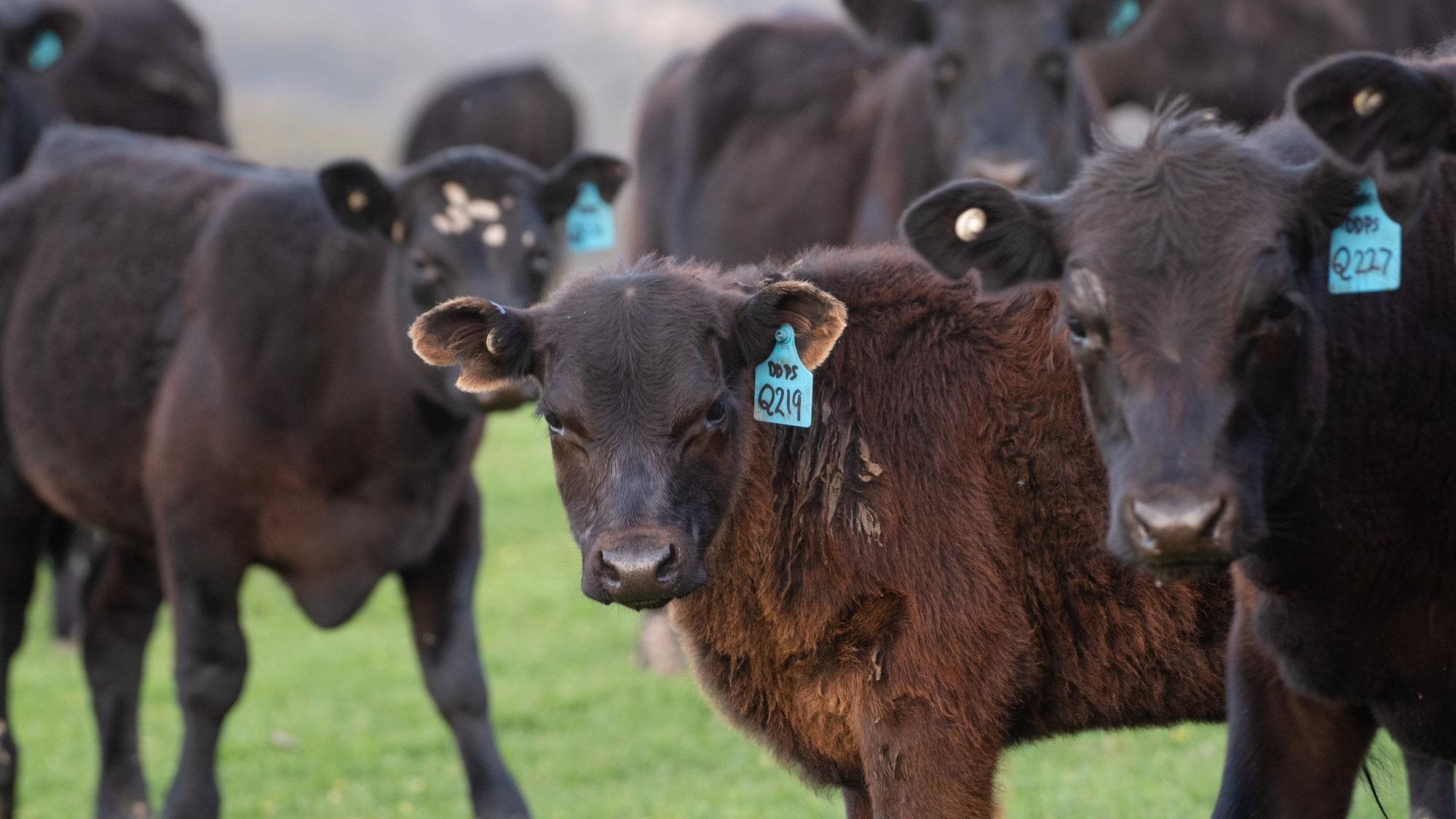
American grocery shoppers are paying sharply more for beef, and the price surge traces directly to a shrinking national cattle herd. Retail beef and veal prices rose 12.9% between May 2025 and May 2026, according to the latest Consumer Price Index release from the U.S. Bureau of Labor Statistics. That jump coincides with the smallest U.S. cattle inventory in roughly 75 years: 86.2 million head of cattle and calves on farms as of January 1, 2026, the USDA National Agricultural Statistics Service reported.
Why a 12.9% beef price spike hits households right now
A 12.9% annual increase in a single protein category lands hard on family budgets, especially when beef remains one of the most purchased meats in the country. The official CPI tables for May 2026 isolate beef and veal as a standout driver within the broader food-at-home index, meaning the category is climbing faster than most other grocery staples.
The supply side of the equation is straightforward. Fewer cattle on farms means fewer animals moving through feedlots and processing plants, which tightens the volume of beef reaching retail coolers. The USDA’s NASS described the situation plainly in its January 2026 inventory headline: “United States cattle inventory down slightly.” That understated language masks the fact that 86.2 million head is the lowest total since the early 1950s, when the national herd was still expanding from wartime lows.
One open question is whether feed-cost swings, rather than herd size alone, are now the bigger force widening the gap between what ranchers receive and what consumers pay. The USDA Economic Research Service publishes monthly meat price spreads tracking retail, wholesale, and farm-level beef values. Those series show retail prices rising faster than farm-gate prices in recent periods, which points to expanding margins somewhere between the ranch gate and the grocery shelf. Without granular, contemporaneous feed-cost microdata tied to the same months, though, isolating feed volatility as the dominant factor is not yet possible from publicly available federal datasets.
Federal data behind the 86.2 million head count
The 86.2 million figure comes from the NASS news release published on January 30, 2026, which covers the annual cattle inventory as of January 1. NASS conducts this count each year by surveying operations across all 50 states, and the resulting number serves as the baseline for USDA supply forecasts through the rest of the calendar year. The agency’s release did not include breed-level or weight-class breakdowns, nor did it carry direct quotes from producers explaining why they continued to reduce herd sizes.
On the price side, the 12.9% year-over-year increase sits in the CPI’s detailed expenditure tables under the “Beef and veal” line. The BLS methodology applies standard errors and seasonal adjustment, so the figure reflects a statistically grounded measure of what urban consumers actually paid, not a modeled estimate. Within the broader food-at-home category, beef’s rise outpaced more modest moves in many other staples, underscoring how sensitive grocery bills can be to shifts in a single, high-ticket item.
How cattle cycles and drought filter into the meat case
Beef production tends to follow a multi-year “cattle cycle.” When prices are strong, producers retain more heifers and slowly build herds; when drought or high costs hit, they cull animals and shrink. The current downswing reflects several years of herd reduction, driven in part by dry conditions in major grazing states and elevated input expenses. Once animals are sold off, rebuilding takes years, because replacement heifers must be bred and raised before they contribute calves to the pipeline.
USDA analysts track these dynamics in a rolling cattle and beef outlook, which links inventory levels to projected slaughter, carcass weights, and retail availability. With fewer cattle on feed, total beef production tightens, and that scarcity supports higher prices all along the chain. Even if demand is steady rather than surging, a smaller supply base can be enough to push retail prices sharply higher.
Weather adds another layer. When pasture conditions deteriorate, ranchers often send more cows and heifers to market earlier than planned. That can create a temporary bump in slaughter numbers but sets the stage for a deeper production shortfall later, once those animals are no longer available for breeding. The 2026 inventory suggests that earlier liquidation has now translated into a structurally smaller herd, limiting the industry’s ability to quickly respond to higher prices with more supply.
What higher beef prices mean for consumers
For households, the most immediate impact is at the checkout line. A double-digit annual increase can prompt shoppers to trade down within the beef case-from steaks to more ground beef-or to substitute other proteins altogether. Over time, sustained high prices may shift habits more permanently, encouraging consumers to buy smaller portions, stretch meat with beans or grains, or reserve beef for occasional meals rather than weekly staples.
Restaurants and foodservice operators face similar choices. Higher wholesale costs can lead to menu price increases, smaller portion sizes, or a greater emphasis on poultry and pork dishes. Because many contracts and menus are set months in advance, some of these adjustments lag behind the raw data, meaning today’s inventory constraints can show up as higher entrée prices later in the year.
How long could the squeeze last?
With the national herd at a seven-decade low, a quick reversal is unlikely. Even if weather improves and producers start retaining more heifers now, the biological lag in cattle production means meaningful increases in beef supplies are several years away. In the meantime, the combination of tight inventories and firm consumer demand points to continued upward pressure on prices, though month-to-month moves will still reflect seasonal patterns and broader economic conditions.
For now, the federal numbers tell a consistent story: a historically small cattle herd, robust evidence of higher retail beef prices, and widening spreads between what consumers pay and what producers receive. Until the national inventory turns decisively higher, shoppers should expect beef to remain one of the priciest items in the grocery cart.