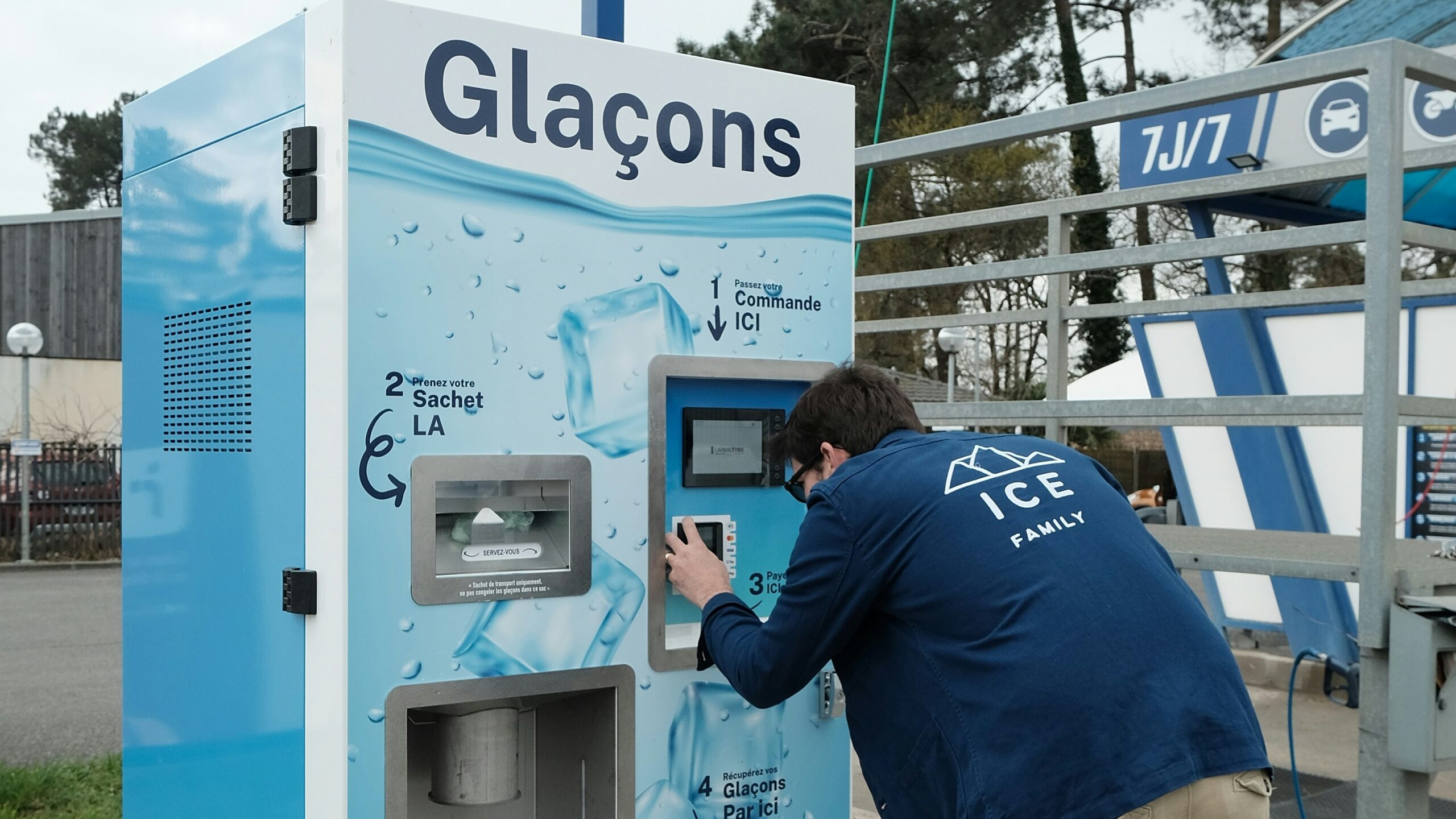
Federal prosecutors in Manhattan charged Ryan Wear and Jordan Chirico with operating a Ponzi scheme built around water-vending machines that, according to the government, took in more than $200 million from investors. The SEC filed parallel civil actions alleging the pair ran two Ponzi-like schemes through Water Station Management LLC and Creative Technologies, Inc., raising over $275 million in total. Washington State’s financial regulator separately accused Wear and the vending company of securities fraud, making this a rare case where federal, civil, and state enforcement actions all converged on the same alleged fraud at once.
Why the Water-Vending Machine Fraud Case Demands Attention Now
The core tension in this case is timing. The U.S. Attorney’s Office for the Southern District of New York unsealed an indictment against Wear and a superseding indictment against Chirico, while the SEC and Washington’s Department of Financial Institutions pursued their own enforcement tracks. That three separate regulators acted against the same operation suggests the alleged misconduct persisted long enough to cross multiple jurisdictional triggers. According to the SDNY release, the scheme used new investor money to pay earlier backers as the underlying business collapsed, a hallmark of classic Ponzi fraud.
The Washington State Department of Financial Institutions charged the Water Station vending machine business and Wear with securities fraud in a standalone action. That state-level enforcement, running alongside the federal indictment and SEC civil complaint, raises a pointed question: how long did Wear’s entities continue soliciting capital after the first regulatory inquiry began? If the companies kept raising money through securities offerings while a state investigation was already underway, the gap between initial scrutiny and continued fundraising would point to something more deliberate than sloppy bookkeeping.
Another reason the case stands out is its apparent appeal to ordinary investors. Water-vending machines sound tangible and straightforward: people pay for purified water at kiosks, and investors share in the revenue. That simplicity can make complex offering structures feel safer than they are. Prosecutors and regulators say Wear and Chirico capitalized on that perception, promising consistent returns backed by a supposedly growing network of machines while masking mounting shortfalls with new investor money.
Federal and State Charges Against Wear and Chirico
The government’s case rests on two parallel tracks. On the criminal side, per the SDNY, Wear faces an indictment and Chirico faces a superseding indictment tied to the water-vending machine Ponzi scheme and related investment fraud. The alleged losses total at least $200 million. On the civil side, the SEC described two Ponzi-like schemes and pegged the total amount raised at more than $275 million, according to SEC litigation records. The SEC named Wear, Water Station Management LLC, and Creative Technologies, Inc. as defendants in one action and filed a separate action against Chirico.
The difference between the $200 million figure cited by the Justice Department and the $275 million figure cited by the SEC reflects the distinct scopes of each case. The SDNY focused on investor losses from the Ponzi scheme itself, while the SEC’s broader civil complaint captured the full amount raised across two related schemes. Both agencies describe the same core mechanism: investors were told they were buying into a profitable vending-machine business, but returns were funded with money from newer investors rather than actual revenue.
The Washington State DFI action adds a third layer. As the state regulator with direct oversight of securities sold within Washington, the agency alleged that Wear and his companies violated state securities laws by selling unregistered investments and making misleading statements about the business. In its enforcement announcement, the department framed its case as part of a broader effort to protect local investors from high-yield offerings that are not properly vetted or disclosed.
Running these cases in parallel allows each authority to focus on a different objective. The criminal case seeks to punish alleged fraud and potentially secure restitution. The SEC actions aim to bar the defendants from future securities work, recover ill-gotten gains, and impose civil penalties. Washington’s case emphasizes investor protection within the state, including cease-and-desist powers and the potential for state-level penalties. Together, they create overlapping layers of accountability that are still relatively uncommon in mid-sized investment schemes.
What Investors and Regulators Can Learn
The Wear and Chirico prosecutions underscore several recurring themes in financial fraud. First, the presence of a physical asset-here, water-vending machines-does not guarantee that the associated investment is legitimate. Investors need verifiable data on revenue, placement of equipment, and operating costs, not just photos and projections. Second, consistent high returns from a supposedly low-risk enterprise should trigger skepticism, particularly when detailed financial statements are slow to arrive or difficult to understand.
For regulators, the case highlights the importance of information-sharing across jurisdictions. Federal and state agencies ultimately converged on the same alleged scheme, but the timeline of their actions will likely be scrutinized to see whether earlier coordination could have reduced investor losses. Parallel proceedings can be powerful, yet they also require careful management to avoid conflicting remedies or overburdening victims with duplicative processes.
For individual investors, the most practical takeaway is procedural rather than technical. Before wiring money to any private offering, especially one promising passive income from specialized equipment, investors should confirm whether the offering is registered, seek independent documentation of cash flows, and treat pressure to “get in now” as a warning, not an opportunity. The water-vending machine case shows how quickly a familiar consumer product can be repackaged into a complex, multi-jurisdictional fraud once basic safeguards are ignored.