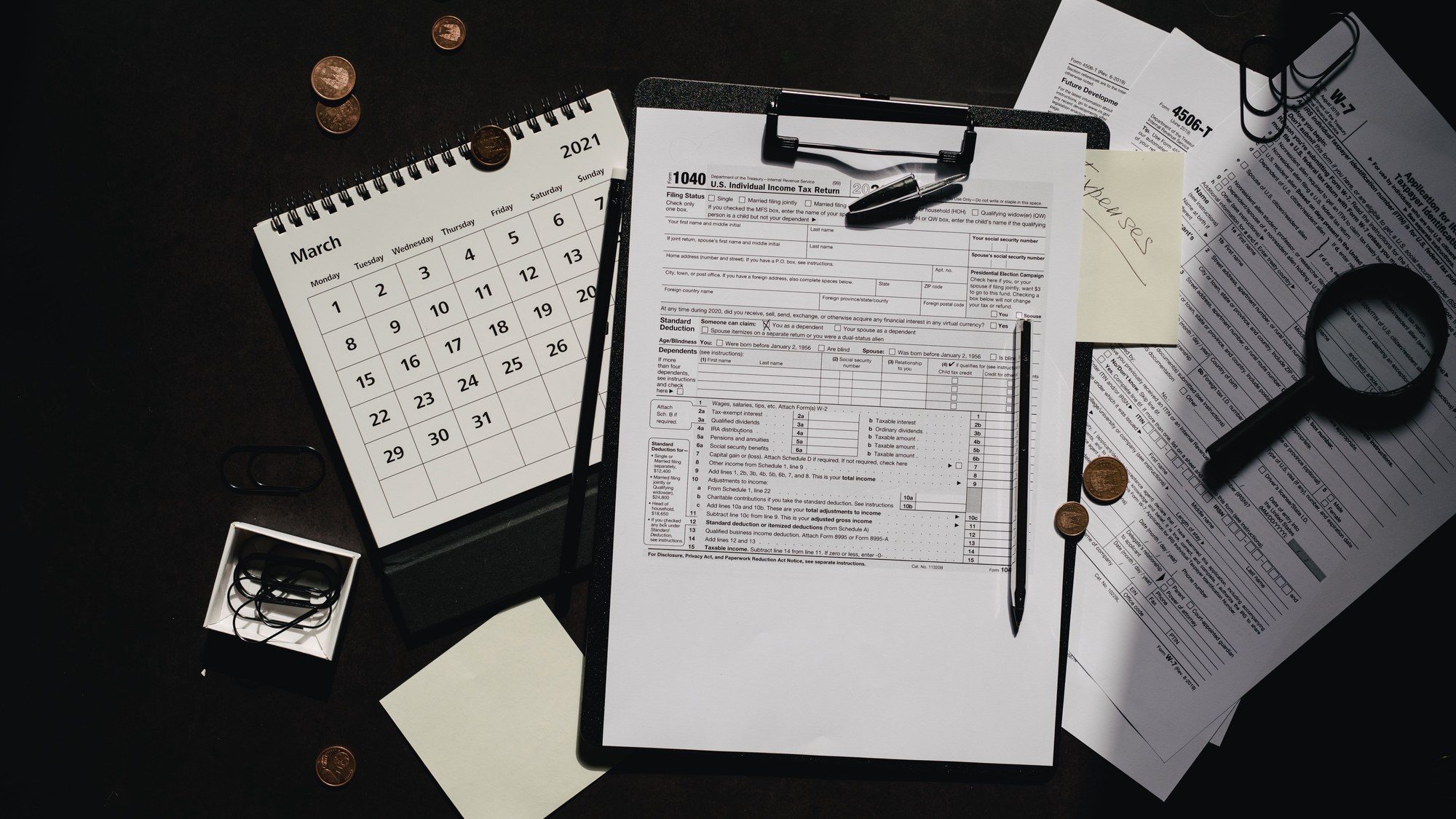
Businesses that paid tariffs later struck down by the Supreme Court face a hard deadline baked into federal customs law: if U.S. Customs and Border Protection finalized their entries more than 90 days ago, the agency can no longer fix the problem on its own. Those importers must now file individual lawsuits in the U.S. Court of International Trade to recover what they overpaid. The split between who gets a straightforward administrative refund and who gets drawn into federal litigation comes down to a single calendar count.
The 90-Day Cutoff Dividing Importers Into Two Groups
The dividing line is a federal statute that limits how long CBP can revisit its own decisions. Under 19 U.S.C. Section 1501, the agency may voluntarily reliquidate an entry only within 90 days from the date of original liquidation. Once that window closes, CBP loses the legal authority to reopen the entry and issue a corrected duty assessment, regardless of whether a court has since invalidated the tariff that generated the charge.
For importers whose entries were liquidated recently enough to fall inside that 90-day period, the path is relatively simple. CBP can recalculate duties, apply the correct rate, and refund the difference through its normal administrative process. For everyone else, the statute shuts that door. The only remaining option is to bring a case before the Court of International Trade, a specialized federal court in New York that handles disputes over customs duties, trade restrictions, and related agency actions.
The practical effect is a two-track system created entirely by timing. Two companies that imported the same product under the same tariff schedule could end up in very different positions depending on when CBP processed their paperwork. One gets a refund through routine channels. The other hires trade lawyers and waits months or years for a judicial resolution.
Why the Statute Creates a Litigation Bottleneck
The 90-day limit was not designed for a scenario in which the Supreme Court invalidates an entire category of tariffs after thousands of entries have already been liquidated. The provision, housed in Title 19 of the U.S. Code and cataloged by Cornell’s legal search, governs voluntary reliquidations as a narrow administrative tool. It exists so CBP can correct clerical errors or apply updated classifications shortly after an entry is finalized. It was never intended to serve as a mass refund mechanism following a high-court ruling.
That mismatch between the statute’s design and the current situation is what drives the expected surge in court filings. Importers who paid duties under the now-invalidated tariffs over the past year or longer will have entries that were liquidated well outside the 90-day window. Each of those importers must file a separate action to recover overpayments, and each case requires its own briefing, its own evidence, and its own judicial review. The Court of International Trade, which already handles a steady docket of customs disputes, could see a concentrated wave of new filings tied to a single Supreme Court decision.
No public data yet quantifies how many entries fall outside the 90-day threshold. CBP has not released liquidation records broken down by the affected tariff codes, and the agency has not issued guidance explaining how it plans to handle refund requests tied to the ruling. That information gap leaves importers uncertain about the scale of potential recovery and the resources they will need to commit. Many are turning to specialized trade counsel, using directories such as attorney listings to locate lawyers familiar with customs litigation and the Court of International Trade’s procedures.
Strategic Choices for Importers After the Ruling
Companies now face a series of time-sensitive decisions. First, they must determine which of their entries are still within the 90-day reliquidation window. That requires cross-checking internal import records against CBP liquidation notices and identifying any entries that might be corrected administratively. For those entries, importers can work directly with CBP to seek refunds, often through routine post-summary processes.
For entries older than 90 days, the analysis shifts to litigation strategy. Importers must calculate the potential recovery on each entry, weigh those amounts against expected legal fees, and decide whether to file suit. Some may pursue test cases in hopes that favorable rulings will prompt the government to settle similar claims, while others may file multiple actions to preserve their rights before any applicable deadlines expire.
Industry groups may also play a coordinating role. Trade associations can help members share information about CBP responses, emerging court decisions, and procedural pitfalls. They can also advocate for administrative relief or legislative fixes that would allow broader refunds without requiring thousands of individual lawsuits. Whether Congress will be willing to revisit the 90-day limit in light of the Supreme Court’s decision remains uncertain.
Looking Ahead
The current situation underscores how a technical provision of customs law can have sweeping financial consequences when layered on top of a major judicial ruling. Importers who move quickly to audit their entries, document overpayments, and seek advice from trade counsel will be better positioned than those who wait for formal government guidance. Resources such as academic legal centers may also help businesses understand the broader implications of the Court’s decision and the statutory constraints facing CBP.
Absent new legislation or a change in agency interpretation, the 90-day reliquidation rule will continue to divide importers into two camps: those who can obtain timely administrative refunds and those forced into court to reclaim duties paid under tariffs the Supreme Court has already struck down. For the latter group, the path to recovery will be longer, more expensive, and shaped as much by procedural deadlines as by the merits of their claims.