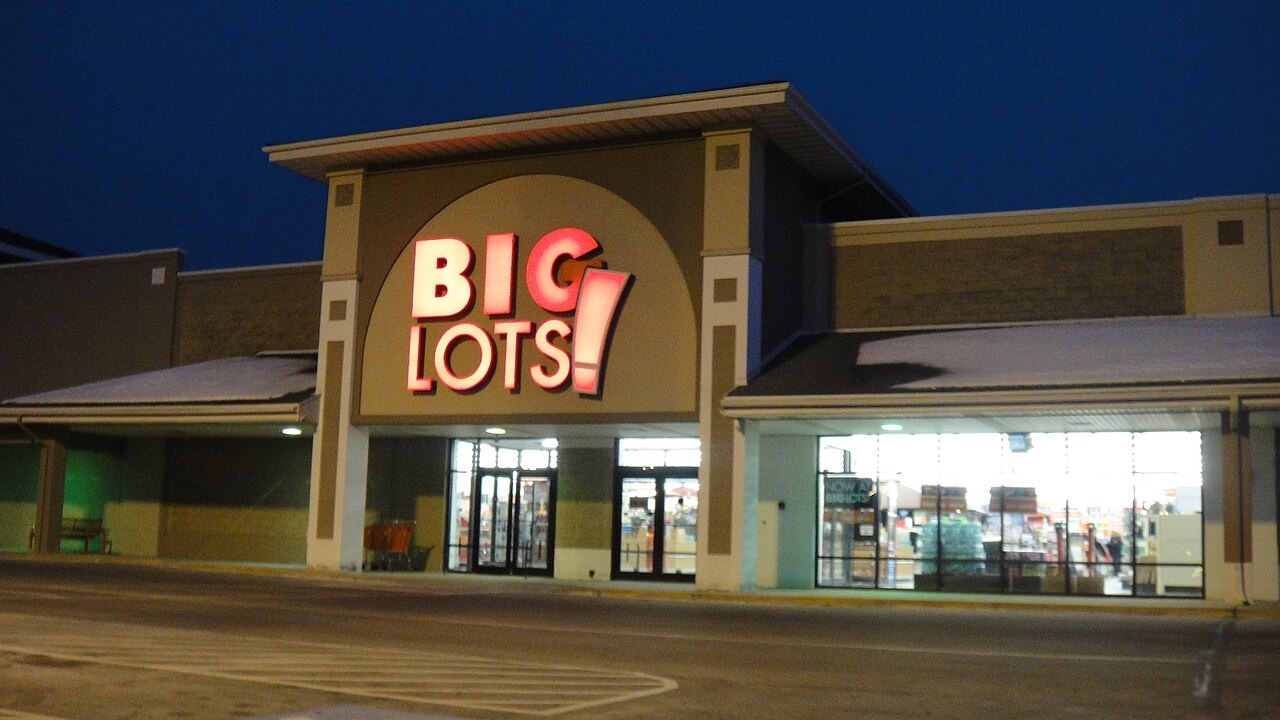
Big Lots, the discount retailer that once operated more than 1,400 stores across the United States, began liquidating roughly 300 locations after its planned sale to a private-equity buyer collapsed. The company had filed voluntary Chapter 11 petitions in the U.S. Bankruptcy Court for the District of Delaware under case number 24-11967, initially framing the process as a path toward new ownership. Instead, the failure of that deal turned a restructuring into a wind-down, with going-out-of-business sales replacing any hope of a clean handoff.
Why the collapse of the Nexus deal changed everything
Big Lots did not file for bankruptcy expecting to shut stores permanently. The company announced its Chapter 11 petition alongside a sale agreement with Nexus Capital, a private-equity firm that was set to acquire the retailer and keep it running. The filing was designed to “facilitate restructuring initiatives and ownership transition,” according to language the company used in a related communication filed with the SEC. That framing signaled continuity, not closure, and suggested that vendors, landlords, and employees could expect an eventual transfer rather than a breakup.
When the Nexus transaction fell apart, the retailer shifted to liquidation. A&G Real Estate Partners stepped in to market 296 store leases as part of the court-supervised process. That figure accounts for the “roughly 300” closures now under way. The gap between a negotiated buyout and a mass lease sale tells the story of how quickly a Chapter 11 case can pivot from rescue to runoff when a stalking-horse bidder walks away. Instead of a single buyer assuming store obligations and trying to turn the chain around, dozens of landlords and potential replacement tenants are now involved in a location-by-location unwinding.
Court filings and first-day approvals that kept the lights on
Big Lots and its subsidiaries filed their voluntary petitions in the Delaware bankruptcy court, a venue that handles many of the country’s largest retail restructurings. In the opening days of the case, the court approved a set of first-day motions that allowed the company to continue paying employees, honoring customer obligations, and maintaining store operations during the early phase of the process. Those approvals are standard in large Chapter 11 filings: they authorize the use of cash collateral, continued use of bank accounts, and payment of certain prepetition wages and benefits so that day-to-day business can continue while lawyers and advisers negotiate in the background.
Once the Nexus sale agreement unraveled, those same first-day orders took on a different character. Without a buyer waiting in the wings, the approvals became the legal framework for an orderly shutdown rather than a bridge to new ownership. They allowed Big Lots to keep the lights on long enough to run going-out-of-business sales, sell remaining inventory, and coordinate with liquidators and real estate advisers on the disposition of leases, fixtures, and other assets.
The Associated Press reported that Big Lots began conducting going-out-of-business sales after the sale fell through, confirming that liquidation was not part of the original plan. For shoppers and employees at the 296 affected locations, the shift meant clearance pricing on remaining inventory and, eventually, permanent closures. For creditors, it meant that recoveries would depend less on the value a going concern buyer was willing to pay and more on the proceeds from piecemeal asset sales.
Unanswered questions about Big Lots’ remaining stores and workforce
Several gaps in the public record leave the full scope of the fallout unclear. The exact financial terms of the failed Nexus agreement, including any breakup fees or termination conditions, have not been detailed in publicly available court filings or SEC exhibits. Likewise, management has not laid out a comprehensive, store-by-store roadmap for what happens to locations that are not part of the roughly 300 being liquidated.
In an SEC filing describing the restructuring, Big Lots emphasized its intent to stabilize operations and pursue strategic alternatives, but the document left open whether additional stores could be closed if performance deteriorates or if no viable buyer emerges for the remaining footprint. That uncertainty extends to the workforce: while employees at the liquidating stores face clear end dates tied to inventory sell-downs, workers at continuing locations have received fewer concrete assurances about long-term job security.
Creditors and landlords are also waiting for clarity. The marketing of nearly 300 leases suggests that some sites could be taken over quickly by other retailers, mitigating vacancies in certain markets. Yet the broader question-whether Big Lots will emerge from Chapter 11 as a smaller, sustainable chain or continue to shrink-remains unresolved in the available court docket and public disclosures. Until the company files a detailed reorganization or liquidation plan, stakeholders are left reading between the lines of motion practice and interim orders.
What is clear is that the collapse of the Nexus deal transformed the case from a relatively straightforward sale to a more complicated unwinding. For a retailer that once promised value through closeouts and bargains, the final discounts now on offer at hundreds of stores are less a marketing strategy than a coda to a failed turnaround.