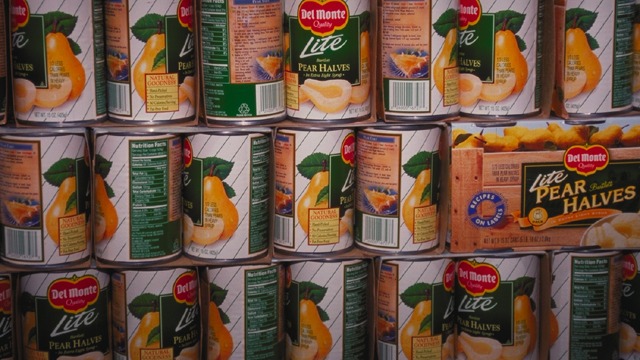
A U.S. Bankruptcy Court approved the sale of select Del Monte Foods assets to Fresh Del Monte Produce for roughly $509 million, closing a Chapter 11 process that began when the 139-year-old canned-goods company filed for protection last summer under the weight of more than $1 billion in debt. The Section 363 transaction gives Fresh Del Monte a portfolio of shelf-stable brands while leaving behind unresolved questions about which plants, contracts, and legacy obligations stay with the bankrupt estate.
What the $509 million sale means for Del Monte Foods and its buyers
Del Monte Foods entered bankruptcy with $912.5 million in debtor-in-possession financing already lined up, a signal that lenders expected the company’s debt load to far exceed the recovery value of its assets. The court-supervised auction that followed, described in Del Monte’s own auction announcement, produced winning bids totaling about $509 million, less than the DIP facility alone. That gap illustrates how deeply leverage had eroded the company’s financial position before the filing and underscores why a going-concern reorganization without major asset sales was unlikely.
Fresh Del Monte, a publicly traded produce company, secured court approval as the purchaser of select assets through a Section 363 sale, a mechanism that lets buyers acquire property free of most prior claims and liens. The approval is detailed in a buyer-side release that outlines the scope of the acquisition and emphasizes that the assets will be transferred “free and clear” of legacy liabilities, subject to limited assumed obligations. Because the transaction is structured as an asset sale rather than a merger, Fresh Del Monte can select which contracts and facilities to take on, leaving the rest to be resolved within the bankruptcy estate.
Fresh Del Monte’s latest quarterly report filed with the SEC for the period ended December 26, 2025, references the asset purchase agreement and the timing of court approvals. In that 10-Q filing, the company discloses key terms, including the approximate purchase price and conditions precedent such as regulatory clearances. The regulated disclosure provides investors with a baseline view of the transaction’s financial footprint, although it stops short of offering detailed projections about revenue synergies or cost savings.
The hypothesis that this acquisition will push Fresh Del Monte toward higher-margin private-label production is plausible but not yet supported by disclosed data. No public filing from Fresh Del Monte details planned SKU changes, wholesale pricing shifts, or manufacturing integration timelines. Management has not laid out whether the shelf-stable portfolio will be used primarily to deepen branded offerings, expand into store-brand manufacturing, or both. Investors and retail partners will need to watch the company’s next earnings call and any supplemental SEC disclosures for concrete signals about how the acquired assets fit into its existing operations and whether capital expenditures will be required to modernize acquired plants.
Court records and filings that confirm the deal’s structure
Three primary documents anchor the verified record of the transaction. Del Monte Foods’ announcement of successful bidders confirmed the aggregate auction result of approximately $509 million and identified Fresh Del Monte as the buyer of key shelf-stable assets. Fresh Del Monte’s press release confirmed the Bankruptcy Court’s approval of the Section 363 sale and summarized the assets and liabilities included in the deal. The company’s Form 10-Q for the quarter ended December 26, 2025, then incorporated those terms into formal financial reporting, noting that closing remains subject to customary regulatory and closing conditions.
The bankruptcy case itself, filed in the U.S. Bankruptcy Court for the District of New Jersey, drew attention when Del Monte sought protection under Chapter 11. At the time of the filing, the company disclosed the $912.5 million DIP financing arrangement and described a court-supervised sale process as the best available path for stakeholders, signaling that a balance-sheet-only restructuring would not be enough. CEO Greg Longstreet framed the move as a way to preserve jobs and customer relationships while addressing an unsustainable capital structure built up through years of leveraged transactions and shifting ownership.
Section 363 sales like this one are designed to maximize value quickly by running an auction under court oversight, with stalking-horse bids setting a floor and competing bidders able to top that price. In Del Monte’s case, the auction produced multiple buyers for different asset packages, allowing the estate to separate higher-value brands and operations from underperforming or non-core units. The court’s approval order effectively blesses that allocation, but leaves open how remaining claims will be satisfied from the proceeds.
Unresolved obligations and what to watch next
Even with the Fresh Del Monte sale approved, significant obligations remain with the bankrupt Del Monte Foods estate. Secured lenders will look to the sale proceeds and other asset dispositions for repayment, while unsecured creditors-ranging from packaging suppliers to logistics providers-will depend on a court-confirmed plan of reorganization or liquidation to learn their recovery percentages. Pension and retiree benefit liabilities, along with long-term leases for facilities that are not part of the sale, are likely to be central issues in those negotiations.
For Fresh Del Monte, the next milestones are regulatory sign-offs, operational integration, and clarity on strategic intent. Regulators will review the deal for any competition issues in canned fruits, vegetables, and other shelf-stable categories, though the parties have not publicly signaled major antitrust concerns. Once closed, Fresh Del Monte will need to align procurement, production, and distribution for the acquired brands with its existing fresh-produce network, a process that could generate efficiencies but also short-term execution risk.
Consumers and retailers may not see immediate changes on store shelves, but over time, product assortment, packaging, and pricing could shift as the new owner optimizes the portfolio. The key indicators to watch will be Fresh Del Monte’s future earnings commentary on margin trends in its value-added and shelf-stable segments, any announced plant consolidations or expansions, and the ultimate treatment of Del Monte Foods’ remaining obligations in the bankruptcy court’s final plan. Together, those developments will determine whether the $509 million sale marks a true turning point for the iconic brand or simply the first phase of a broader industry reshuffle.