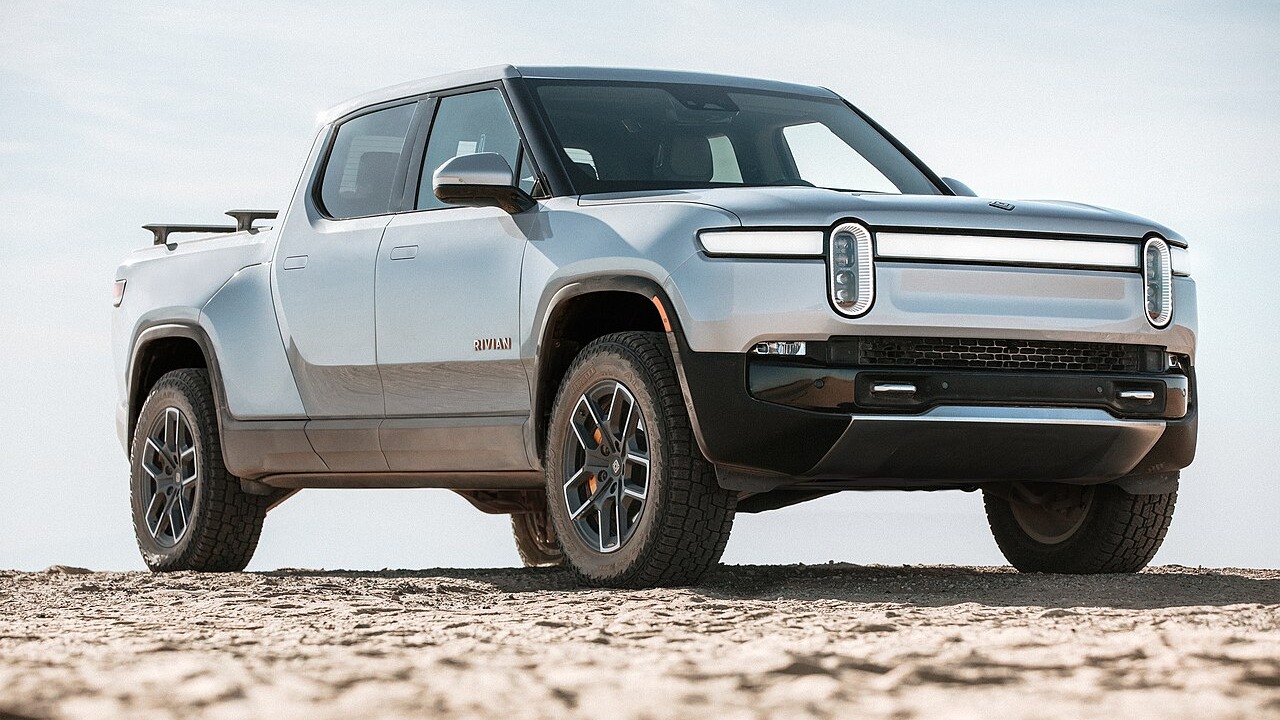
Rivian has started handing its R2 SUV to public customers, a vehicle the company needs to sell in high volume if it is ever going to turn a sustained profit. The first trim reaching driveways is the R2 Performance with Launch Package, priced at $57,990, with employee deliveries having begun in April and public orders now open for reservation holders. The delivery ramp arrives just as Rivian raised its full-year delivery outlook after reporting second-quarter 2026 production figures, setting up the rest of the year as a live stress test of whether a cheaper electric SUV can reshape the company’s financial trajectory.
Why the R2 delivery timeline changes Rivian’s calculus right now
Rivian built its brand on the R1T pickup and R1S SUV, but those vehicles occupy a price tier above $70,000 that limits the addressable market. The R2 is designed to pull in buyers who would otherwise cross-shop a Tesla Model Y or a Toyota RAV4. Getting it into production on schedule, rather than months late, signals that Rivian can execute on a promise it made to investors and reservation holders alike.
The company’s annual report filed with the SEC stated that Rivian expected to start customer deliveries of the R2 in the second quarter of 2026. That same filing described Normal Factory upgrades, including paint shop improvements and capacity preparation specifically tied to R2 readiness. The fact that public deliveries began in June, still within Q2, means the company hit its own investor-facing deadline. That is a notable departure from the delays that have plagued several EV startups.
A separate SEC exhibit covering Q2 2026 production and delivery figures shows Rivian raised its full-year delivery outlook after the quarter closed. The filing does not break out R2-specific volumes from the aggregate totals, which means analysts and investors are still working with blended numbers. The upward revision, though, suggests management sees enough momentum from the combined R1 and R2 lines to justify higher targets.
Regulatory filings and trim sequencing map the R2 ramp
Rivian submitted VIN decoding information for the 2027 model year R2 to the National Highway Traffic Safety Administration under 49 CFR Part 565, a process documented through the agency’s manufacturer portal. That regulatory step confirms the vehicle’s classification as it enters commerce and locks in the VIN structure federal agencies use to track safety data, complaints, and recalls. No NHTSA safety ratings or complaint records exist for the R2 yet, which is expected for a vehicle this early in its production life.
The trim rollout follows a deliberate sequence. According to a company announcement, Rivian is starting with the higher-margin R2 Performance with Launch Package, which pairs dual motors with a larger battery pack and a bundled options set. Launch configurations typically help automakers recoup upfront tooling and plant-modification costs faster, even if they reach a narrower slice of the market at first. Lower-priced trims are slated to follow as the line stabilizes and suppliers ramp up.
Earlier in the year, Rivian outlined the broader R2 family, including multiple battery options and both single- and dual-motor layouts, in a detailed trim and pricing breakdown. That roadmap positioned the R2 as the company’s volume anchor, with configurations aimed at buyers prioritizing either maximum range or entry price. Having that lineup publicly defined before the first keys changed hands gave reservation holders clearer expectations and reduced the risk of confusion as orders converted into firm builds.
Rivian’s regulatory steps also connect it to the broader federal transportation framework. Agencies under the umbrella of the U.S. Department of Transportation oversee safety standards, crash testing, and reporting requirements that every new light-duty vehicle must meet. For Rivian, demonstrating smooth navigation of these processes on the R2 matters not just for compliance but for consumer confidence, especially as buyers weigh the track records of newer EV brands against those of legacy automakers.
What the R2 means for Rivian’s next phase
The R2’s on-time arrival gives Rivian a tangible proof point as it tries to shift its narrative from cash burn to operating leverage. Each SUV that leaves the Normal plant now carries more strategic weight than its sticker price implies. If the company can sustain quality while increasing throughput, the R2 could dilute fixed costs across a larger base and narrow per-vehicle losses.
At the same time, execution risks remain. The lack of R2-specific figures in Rivian’s quarterly disclosures makes it harder for outsiders to judge how much of the delivery outlook raise rests on this new model versus incremental improvements in R1 demand. Any hiccups-whether in supplier reliability, software stability, or early customer satisfaction-could show up in future filings or in NHTSA complaint data once more vehicles are on the road.
For now, though, Rivian has cleared a milestone that once seemed uncertain. The R2 is no longer a slide in an investor deck or a prototype on an auto show stand; it is a product in customer garages, backed by federal registrations and a defined trim ladder. How quickly those garages multiply over the next few quarters will go a long way toward determining whether Rivian can evolve from niche EV newcomer into a durable player in the mass-market SUV segment.