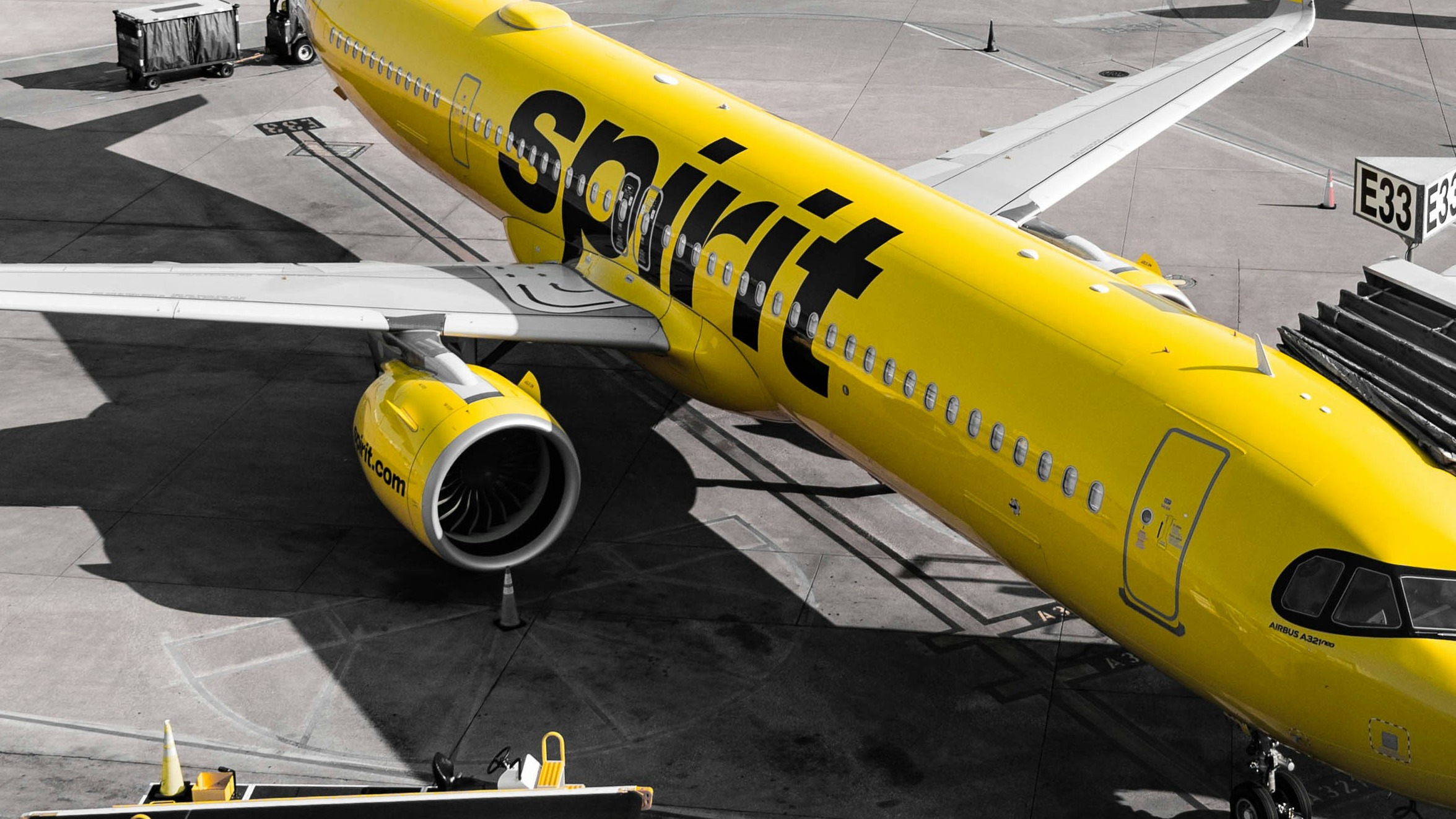
Spirit Airlines customers who held loyalty points or booked future flights now face the total loss of both as the carrier sells off its remaining assets, including gates at New York’s LaGuardia Airport and its frequent-flyer program. Spirit Aviation Holdings, Inc. confirmed it began an “orderly wind-down of operations,” cancelled every flight on its schedule, and told passengers not to go to the airport. The auction of scarce LaGuardia gate access and the airline’s rewards program represents the final chapter of Spirit’s collapse and raises sharp questions about which carriers will absorb those slots and what that means for ticket prices on busy New York routes.
Why Spirit’s LaGuardia slots carry outsized competitive weight
LaGuardia is one of a small number of U.S. airports where the FAA caps the number of takeoffs and landings allowed each hour. Those caps, managed under federal slot rules, make gate access at the airport a finite, tradeable commodity. When a carrier like Spirit exits, its slots do not simply disappear. They re-enter the market through bankruptcy auctions or regulatory reallocation, and whoever acquires them gains the ability to add flights at an airport where new entrants rarely get a foothold.
Spirit operated as an ultra-low-cost carrier, and its presence at LaGuardia gave budget travelers an alternative to the legacy airlines that dominate the airport’s schedule. On routes where Spirit flew head‑to‑head with larger competitors, its bare‑bones fares often forced rivals to match or at least moderate their own pricing, especially on off‑peak departures. That pressure helped keep some leisure‑oriented itineraries within reach for price‑sensitive travelers who were willing to trade comfort for cost.
With those slots now headed to auction, the most likely buyers are carriers with the cash and operational scale to deploy aircraft quickly. That points toward established legacy airlines or large low‑cost rivals rather than a brand‑new discount startup, which would need months of regulatory approvals, aircraft sourcing, and crew training before launching a single flight. If a single large airline captures most of Spirit’s LaGuardia capacity, travelers on overlapping routes could see fewer low‑fare options within the next year, particularly during peak business‑travel periods when demand is least elastic.
Regulators will face a familiar balancing act. Allowing one dominant carrier to consolidate additional slots could simplify scheduling and operations but risks entrenching market power on key business corridors. Spreading slots among multiple bidders might preserve some competition but could be harder to coordinate from an operational standpoint, especially if smaller airlines win only thin slices of capacity that are difficult to turn into viable schedules.
What Spirit’s SEC filing and wind-down order confirm
The company’s own disclosure, filed as an exhibit on EDGAR, uses unambiguous language: “all Spirit flights have been cancelled.” The filing also states that the airline advised customers not to travel to the airport, a step that signals the wind‑down is not a temporary pause but a permanent shutdown of passenger service.
The press release, framed around the orderly wind‑down, now serves as the definitive corporate record of Spirit’s final days. Issued by Spirit Aviation Holdings, Inc. and disseminated through the SEC system, it carries the formality of a regulated disclosure rather than routine marketing copy. It outlines the decision to cease operations and references a process to sell remaining assets, but it omits many details that affected travelers might hope to see. There are no figures on expected auction proceeds, no list of prospective bidders, and no timetable for when specific assets, such as LaGuardia slots or the frequent‑flyer database, will change hands.
For passengers, the impact is immediate and stark. Anyone holding a Spirit ticket lost their seat as soon as the carrier grounded its fleet. Refunds, if any, will depend on bankruptcy proceedings and the terms of individual payment methods, leaving many customers to pursue chargebacks or travel‑insurance claims. Loyalty‑program members face a different uncertainty: the value of accumulated points depends entirely on whether a buyer acquires the program and agrees to honor existing balances. In past airline liquidations, frequent‑flyer points have often been wiped out when no acquirer steps in to assume that liability, turning years of loyalty into a total loss.
Open questions around bidders, slot transfers, and traveler recovery
Several critical questions now hang over Spirit’s exit. The first is who will bid for the LaGuardia slots and at what price. Large network airlines may see a rare opportunity to deepen their presence in New York without waiting for regulators to relax slot caps. Low‑cost competitors could also pursue selective buys, targeting routes where they already operate nearby service and can quickly redeploy aircraft.
A second uncertainty is how regulators will oversee any transfers. Even though the market will determine auction winners, slot reassignments at a constrained airport like LaGuardia draw scrutiny because they can reshape competition on entire city‑pairs. Authorities could push for a distribution that maintains at least some low‑fare presence, but they have limited tools once assets are sold through bankruptcy courts.
Finally, there is the question of how, or whether, former Spirit customers will be made whole. The SEC filing confirms the shutdown but offers no roadmap for refunds, credit conversions, or point transfers. Until a buyer emerges for specific assets and a court approves a plan, travelers are largely in limbo, forced to rebook at prevailing fares on remaining carriers. In the near term, that likely means higher prices on routes where Spirit once provided the cheapest option, and a reminder that in aviation, loyalty points and low fares can disappear as quickly as the airline that issued them.