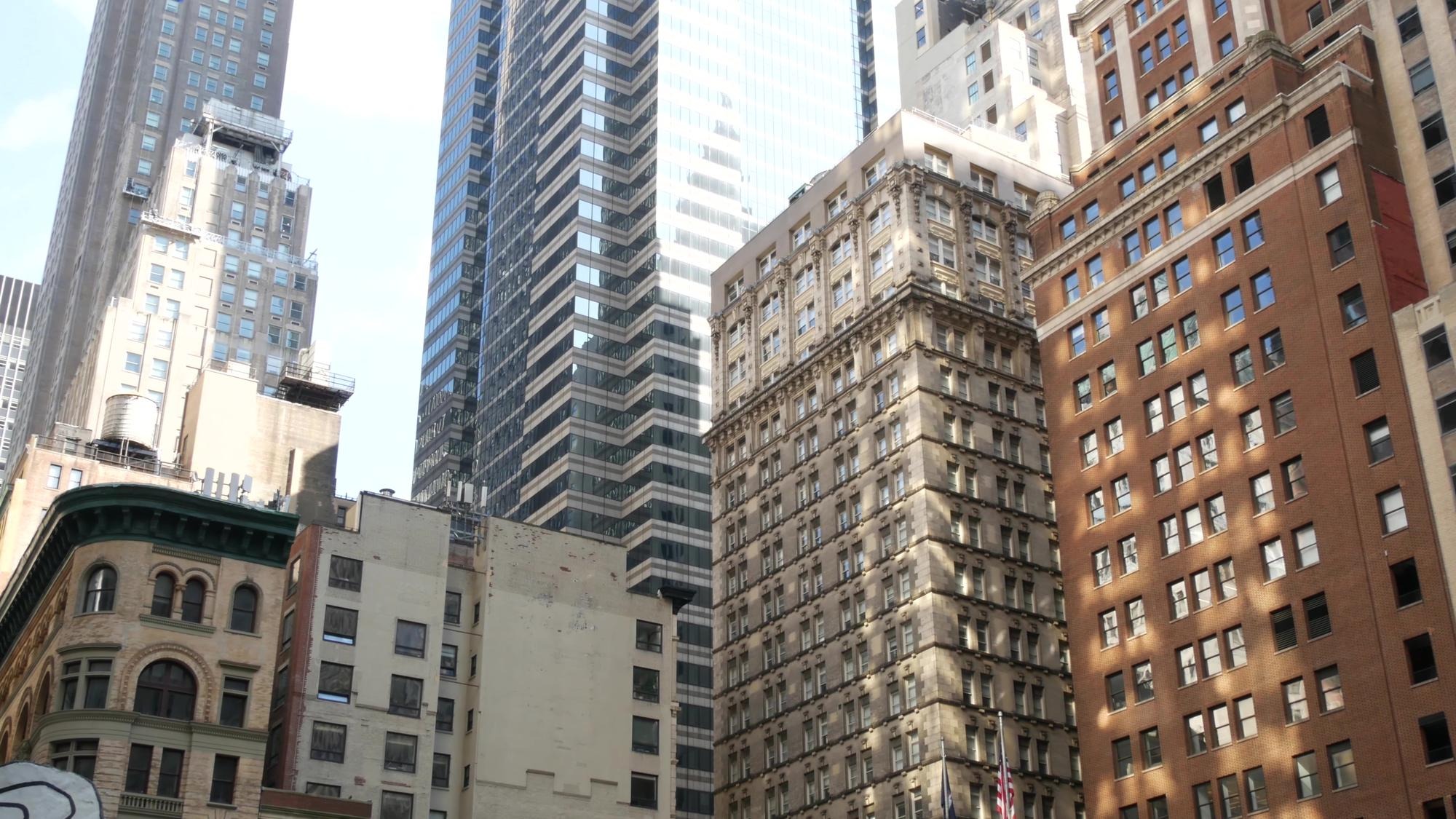
Renters searching for an apartment in Manhattan now face a median asking price above $5,000 a month, a threshold the borough has never crossed before. The record arrives alongside a citywide rental vacancy rate that fell to just 1.4 percent, according to the 2023 Housing and Vacancy Survey conducted for the NYC Department of Housing Preservation and Development. That combination of scarce supply and rising prices is squeezing moderate-income tenants hardest in the borough’s unregulated apartment stock, where lease terms are set entirely by the open market.
Why a record median rent collides with a 1.4 percent vacancy rate
New York City’s rental market has been tight for years, but the latest survey data shows conditions that are historically extreme. The agency overseeing housing policy reported through an official update that the citywide vacancy rate reached 1.4 percent, a figure it called a historic low demanding urgent action. When fewer than two out of every hundred apartments sit empty at any given time, landlords face almost no competitive pressure to moderate rents or negotiate with prospective tenants.
That aggregate number, though, masks a sharper problem in Manhattan’s market-rate units. Rent-stabilized apartments turn over slowly because tenants hold onto below-market leases. New lease activity concentrates instead in the unregulated stock, where landlords can reset prices with each vacancy. The result is a feedback loop: limited new construction keeps total supply flat, stabilized tenants stay put, and every available market-rate unit absorbs the full weight of demand. Median asking rents climb not because every apartment costs more, but because the apartments actually available to new renters skew heavily toward the most expensive segment.
The Rent Guidelines Board’s income study places these rent increases against a backdrop of stagnant real wages and persistent inflation. For households earning moderate incomes, the gap between what they can afford and what the market charges has widened. Rent burden, the share of income consumed by housing costs, rises fastest among tenants who cannot access regulated units and must compete for a shrinking pool of market-rate apartments.
How unregulated apartments absorb the pricing shock
A report from the city comptroller documents the structural divide between regulated and unregulated rental housing across the five boroughs. Rent-stabilized tenants benefit from annual adjustment caps set by the Rent Guidelines Board, which limits how fast their costs can rise. Market-rate tenants have no such protection. When vacancy is this low, landlords listing unregulated units can price them at whatever the market will bear, and with demand far outstripping supply, the market bears a great deal.
The comptroller’s analysis details how this two-tier system concentrates financial stress. Tenants in unregulated apartments carry higher rent burdens on average, and those burdens grow faster during periods of tight supply. Manhattan’s position as the borough with the highest concentration of high-end, unregulated units magnifies that pattern. As new luxury buildings open, they add units that are technically available but priced far above what moderate-income renters can pay. Those renters instead chase a limited number of relatively cheaper market-rate apartments, bidding up prices on older stock that once functioned as the borough’s de facto middle-market housing.
At the same time, rent-stabilized tenants are effectively locked in place. Below-market leases create a powerful incentive to stay put, even when a household might otherwise downsize, move closer to work, or relocate to a different neighborhood. That “stickiness” protects those households from sudden rent spikes, but it also reduces turnover in the regulated stock. With fewer stabilized units cycling back onto the market each year, the share of available apartments that are unregulated climbs, and so does the median asking rent faced by anyone searching for a new home.
Policy responses and limits of the current toolkit
The extraordinarily low vacancy rate has renewed debate over how aggressively the city and state should intervene. Officials have pointed to the survey results as evidence that New York remains in a formal housing emergency, a legal designation that underpins rent stabilization and related protections. City agencies, coordinated through the main NYC portal, have highlighted existing tools such as rental assistance vouchers, inclusionary zoning incentives, and streamlined approvals for certain affordable projects.
Yet those measures operate on different time scales than the immediate pressures facing renters. New construction, even when subsidized, takes years to deliver units. Zoning changes can unlock additional development capacity but do little for tenants whose leases are renewing this summer. Meanwhile, the subset of apartments that are actually available to new renters remains tiny, and in Manhattan’s unregulated market, that scarcity translates almost directly into higher asking prices.
Housing advocates and some policymakers argue that stabilizing more units, tightening rules on rent increases between tenancies, or expanding public investment in deeply affordable housing is necessary to rebalance bargaining power. Landlord groups counter that stricter regulation could discourage maintenance and new development, ultimately constraining supply further. With the vacancy rate at 1.4 percent and median asking rents in Manhattan pushing past $5,000, the stakes of that policy argument are no longer abstract. They are playing out in bidding wars at open houses, in lease renewals that outpace paychecks, and in the growing share of New Yorkers who must devote more than half their income simply to keep a roof over their heads.