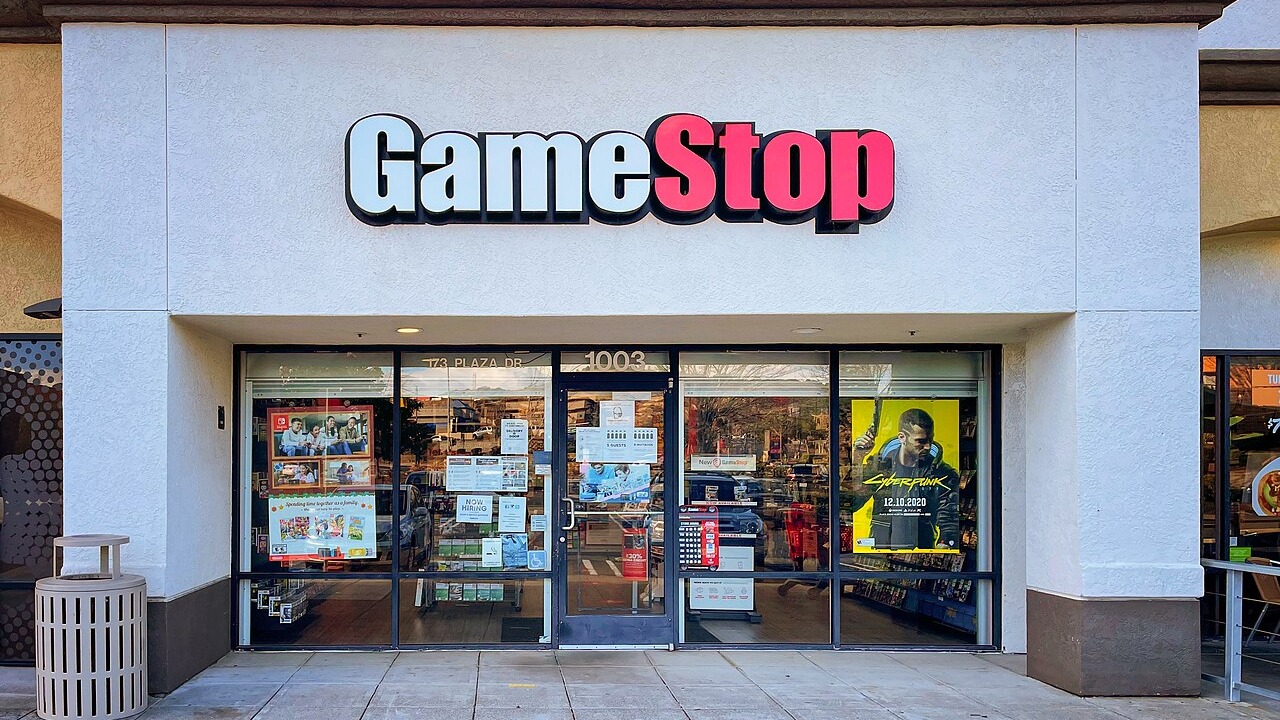
GameStop Corp. ended its latest fiscal year with 1,598 stores across the United States, a figure that reflects years of steady downsizing. The company’s own annual filing with the Securities and Exchange Commission, covering the period through January 31, 2026, includes a forward-looking statement that the retailer does not expect to close a large number of additional locations in the current fiscal year. That language sits in tension with the pace of reductions that brought the chain to its present footprint and with outside reporting that roughly 400 more closures could come before the year is out.
What the 10-K filing actually says about store closures
GameStop’s Form 10-K for fiscal year ended January 31, 2026 is the strongest available record of where the company stands. The store count information section lists 1,598 U.S. locations as of that date. In the same document, management states it “does not anticipate closing a significant number of stores in fiscal 2026,” language that suggests the company views its remaining portfolio as closer to a stable base than a shrinking one.
That phrasing, however, is a forward-looking statement subject to the usual SEC disclaimers. It tells investors what executives intend, not what lease economics or foot traffic will ultimately dictate. The gap between that stated intention and the headline claim of roughly 400 additional closures is the central question for anyone tracking GameStop’s brick-and-mortar future.
Why the 1,598-store count and 400-closure figure conflict
If GameStop were to shutter 400 locations in fiscal 2026, that would represent a reduction of about one quarter of the January 2026 base, a scale that is hard to reconcile with the company’s own characterization of its plans. The 10-K does not provide a store-level closure list, lease expiration schedule, or region-by-region breakdown that would let outside observers independently verify a number that large. No supplemental SEC filings from GameStop published alongside the annual report contain those details either.
The hypothesis that GameStop will hold roughly steady, offsetting any closures with selective openings or relocations, aligns more closely with what the company disclosed in its own words. But the retailer has a track record of shrinking its store base year after year, and each prior 10-K similarly described portfolio adjustments in measured terms even as net store counts dropped by the hundreds. Investors have learned to read those statements against the actual trajectory rather than at face value.
Open questions about GameStop’s remaining locations
Several pieces of information that would settle the debate are simply absent from the public record at this point. The 10-K does not include individual lease termination dates, so analysts cannot independently model how many locations face natural expiration in the coming months. No public statements from GameStop’s real estate or operations leadership elaborate on which markets are being prioritized or abandoned. And the company has not filed any 8-K or supplemental disclosure since the annual report that would update the store count or revise the forward-looking language.