The Dow Jones Industrial Average closed at a record high on July 2, 2026, the same day the Bureau of Labor Statistics reported that nonfarm payrolls grew by just 57,000 in June. That split-screen result captures a tension now facing millions of Americans: stock portfolios are climbing while the job market is clearly losing speed. With May payrolls revised down to 129,000 and the unemployment rate at 4.2 percent, the question is whether equity prices are reflecting real economic strength or something narrower.
A Record Dow Built on Narrow Foundations, Not Broad Hiring
The Dow’s new peak arrived on a day when most of Wall Street was mixed. The Nasdaq fell as artificial-intelligence-related stocks slumped, according to the Associated Press. That divergence matters because the Dow is a price-weighted index of 30 large-cap stocks tilted toward industrials, financials, and health care. When the Dow rallies and the Nasdaq drops, it typically signals that investors are rotating into defensive or value-oriented names rather than betting on broad growth.
The June employment report reinforced that defensive posture. The economy added just 57,000 nonfarm jobs, a figure well below the pace needed to keep up with population growth, according to the Bureau of Labor Statistics’ detailed employment report. May’s initially reported gain was also revised lower to 129,000, suggesting that the slowdown did not begin in June but was already underway a month earlier. The unemployment rate ticked down to 4.2 percent, but that modest improvement can mask weakness if people are leaving the labor force rather than finding work.
Under the surface, the composition of hiring matters as much as the headline number. If job gains are concentrated in a handful of sectors while others stagnate or shed workers, households will feel the slowdown unevenly. Slower hiring can also weigh on wage growth, reducing the spending power that has helped sustain corporate earnings and, by extension, stock prices. For now, the Dow’s climb suggests investors believe large, established companies can weather softer demand even if smaller firms and new entrants struggle.
Fed Chair Warsh Faces a Hiring Slowdown After His First Meeting
Two weeks before the jobs data landed, the Federal Open Market Committee met on June 16 and 17. That session was notable because Chair Kevin Warsh led his first post-meeting press conference. Warsh took over the Fed at a moment when inflation readings remain elevated but hiring is decelerating fast. The June payroll number sharpens the dilemma: cutting rates too soon risks reigniting price pressures, while holding rates steady could accelerate job losses that are already visible in the data.
Markets appear to be pricing in rate relief. The Dow’s record close suggests that at least some investors expect the Fed to prioritize employment over inflation if the labor market continues to cool. That bet carries risk. If the next round of hiring data shows another sub-100,000 payroll print, pressure on the Fed to act will intensify. But if inflation stays sticky, Warsh could find himself boxed in, unable to cut without credibility costs.
Fed officials will also be watching how tighter financial conditions feed into the real economy. Higher borrowing costs can restrain business investment and consumer spending, amplifying a hiring slowdown. Yet if the central bank signals rate cuts too clearly, it could fuel another leg up in asset prices without delivering much relief to workers whose hours are being trimmed or whose job searches are dragging on.
What the Payroll Revisions and Unemployment Rate Leave Unanswered
Several pieces of the puzzle are still missing. The BLS summary tables for June contain broader measures of labor utilization, including the U-6 rate and the employment-population ratio, that would show whether underemployment is rising even as the headline jobless rate edges down. A higher share of workers forced into part-time roles or dropping out of the labor force entirely would point to more slack than the 4.2 percent unemployment figure alone suggests.
Revisions to prior months underscore how fluid the picture can be. May’s downgrade to 129,000 jobs is a reminder that early readings often look stronger than the final count. If subsequent revisions lower June’s figure further, narratives about a “soft landing” could give way to concerns that the expansion is running out of steam. Conversely, upward revisions would support the argument that the slowdown is more of a glide than a cliff.
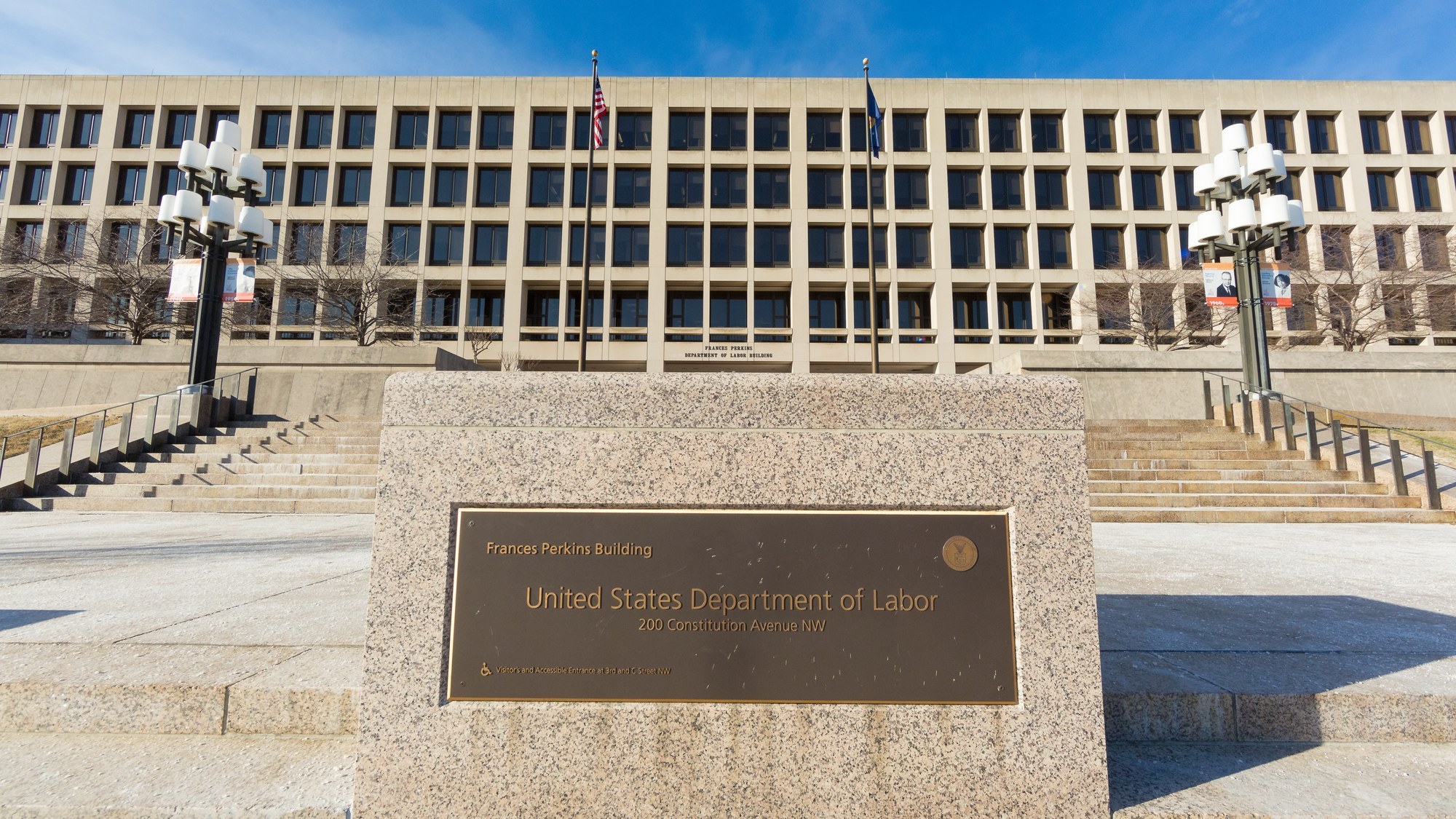
Policymakers beyond the Fed will need to respond as well. The Department of Labor oversees programs such as unemployment insurance, job training, and workplace protections that become more critical when hiring cools, and its broader labor data can help identify which industries and regions are under the most strain. State and local officials may also look to targeted support for displaced workers, especially in areas that had been reliant on sectors now showing flat or negative job growth.
For households, the disconnect between a record Dow and a slowing labor market is a reminder that stock indexes are not a referendum on everyday economic security. Rising share prices can coexist with mounting anxiety over job prospects, particularly for younger workers and those without college degrees. The next few employment reports will determine whether June’s weak payroll gain is a blip or the start of a more persistent downshift-and whether today’s market optimism proves prescient or premature.