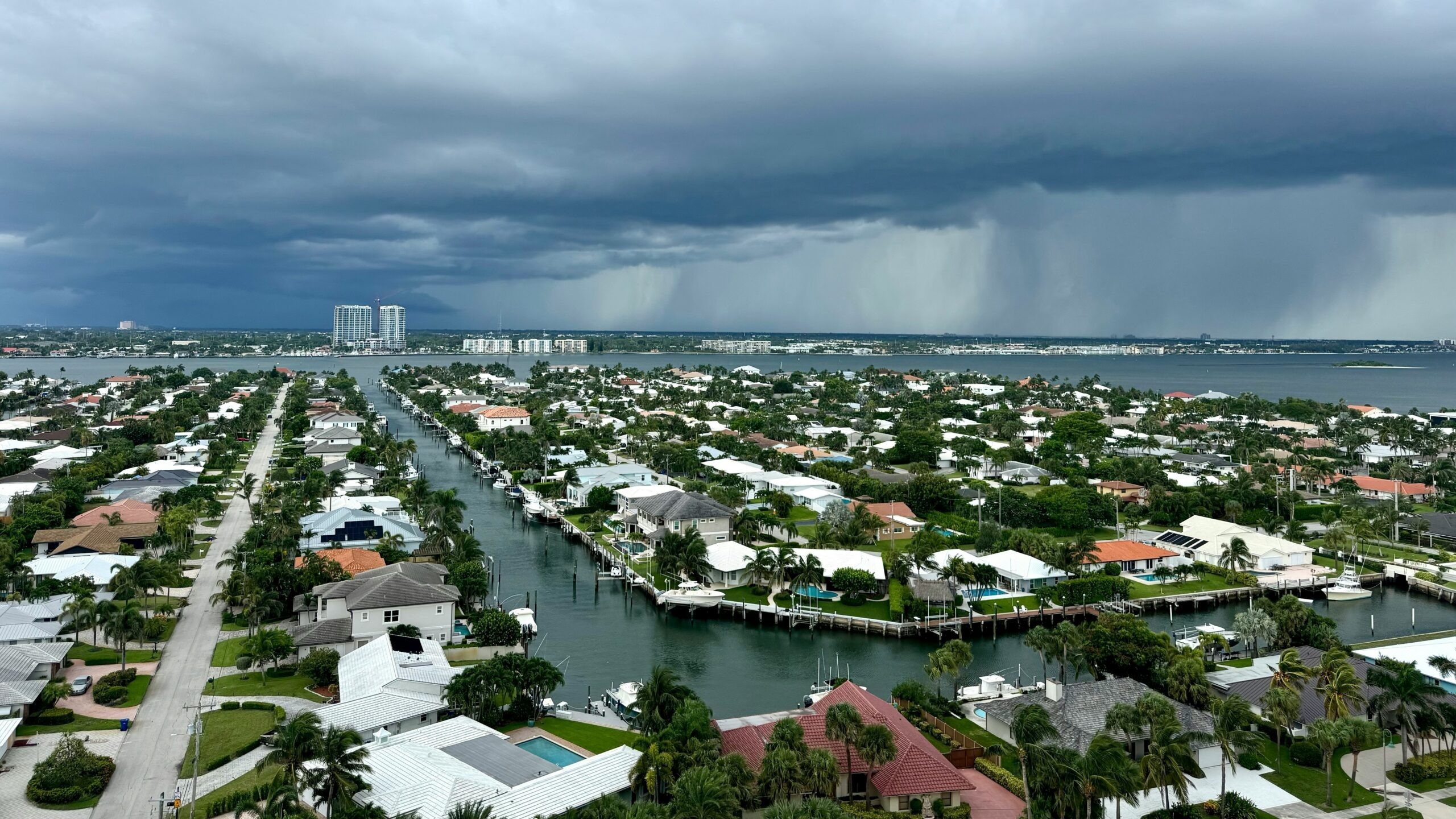
Florida residents shopping for homeowners insurance are staring down annual premiums approaching $8,500, a figure that dwarfs averages in every other state. The cost pressure comes after national home insurance prices jumped 12% in 2025, and fresh projections point to another 4% increase in 2026. For a state where hurricane and flood exposure already limits insurer competition, the trajectory raises a pointed question: how close is the average Florida policy to five figures?
Why $8,500 premiums reshape household budgets in Florida
The immediate strain falls on homeowners whose mortgage escrow payments rise in lockstep with insurance costs. A premium near $8,500 adds roughly $700 a month to housing expenses before property taxes, pushing total carrying costs well past what many buyers underwrote when they purchased their homes. For households already juggling higher interest rates, utilities, and everyday inflation, that additional outlay can force cutbacks in savings, retirement contributions, or discretionary spending.
Sellers in high-risk coastal counties face a secondary hit: prospective buyers who run the numbers on insurance often walk away, softening demand and eroding equity. Real estate agents report more contracts falling through after buyers receive final insurance quotes that are thousands of dollars above initial assumptions. In some neighborhoods, the difference between an insurable and uninsurable roof, or a home inside versus just outside a flood zone, can make or break a deal.
Nationally, Insurify projects the average home insurance price will climb 4% in 2026 after that 12% surge in 2025. Florida sits far above the national mean, so even a moderate percentage increase translates into hundreds of additional dollars per policy. The gap between what Florida policyholders pay and what homeowners in lower-risk states pay continues to widen each renewal cycle, raising affordability concerns for middle-income families and retirees on fixed incomes.
If reinsurance costs, the behind-the-scenes contracts that insurers buy to cover catastrophic losses, keep rising faster than the rate increases Florida’s Office of Insurance Regulation approves, the state’s average premium could cross $10,000 within the next two years. Quarterly insurer filings with that office will be the clearest public signal of whether the trajectory accelerates or stabilizes. For now, insurers are trying to balance regulatory scrutiny, rating agency expectations, and the reality that many customers are already at their financial limit.
Federal data and industry projections confirm the cost spiral
Two primary data streams anchor the national picture. Insurify’s annual homeowners insurance report, built on its proprietary dataset of quotes and policy records, found that the average U.S. home insurance price jumped 12% in 2025 and forecasts a further 4% rise in 2026. That slower growth rate reflects a partial cooldown in catastrophe losses nationally, but it masks wide state-level variation. Florida, Louisiana, and other Gulf Coast states consistently sit at the top of the cost curve because of concentrated hurricane risk and thin insurer competition.
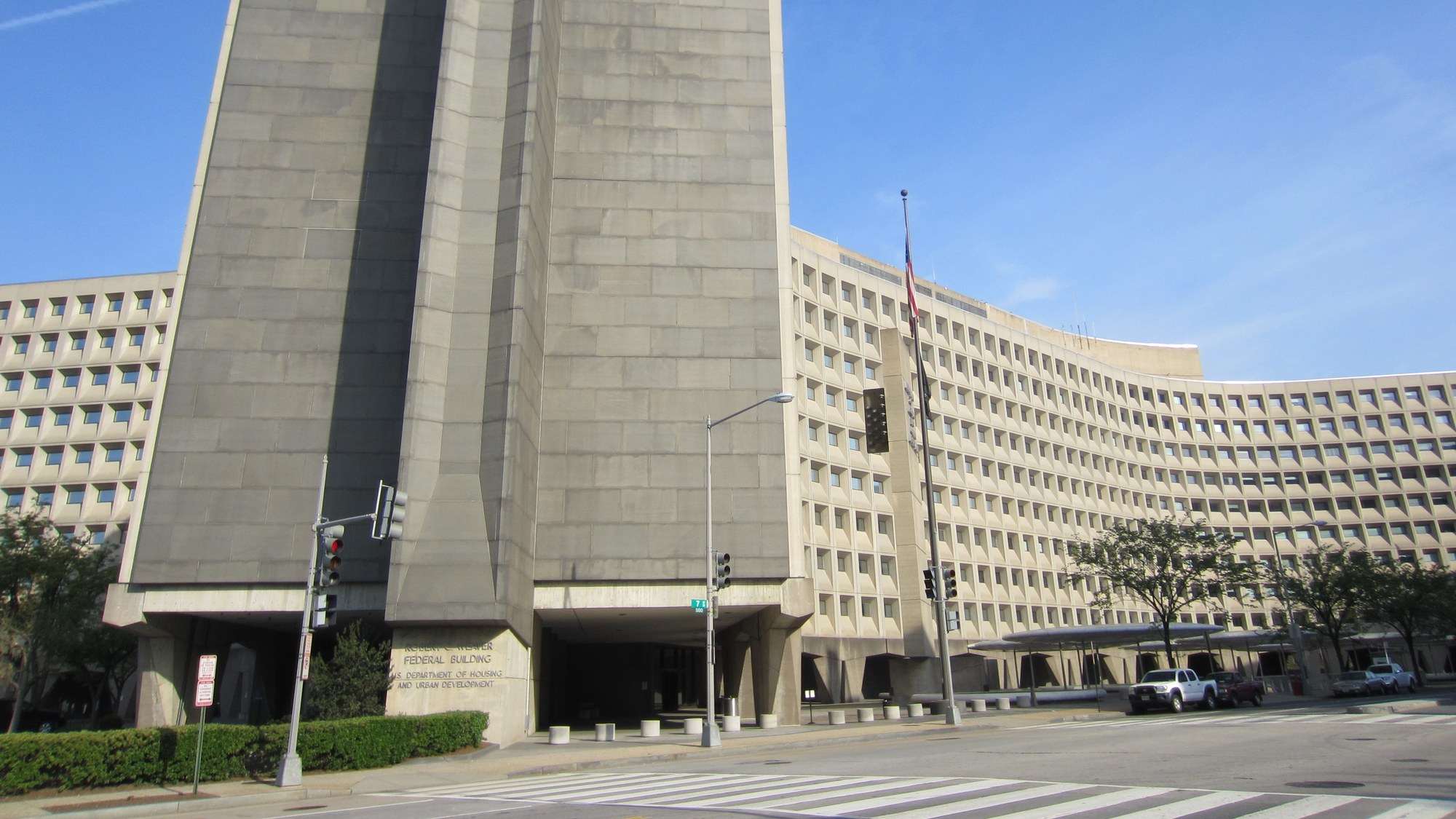
Separately, the U.S. Treasury’s Federal Insurance Office released a report titled “Homeowners Insurance Costs Rising, Availability Declining as Climate-Related Events Take Their Toll.” The report tied premium growth directly to climate-driven claims costs and documented a pattern of insurers pulling back from high-exposure markets. That withdrawal dynamic hits Florida especially hard, where several private carriers have exited or restricted new business in recent years, funneling more homeowners into the state-backed Citizens Property Insurance Corporation.
Together, the Insurify dataset and the Treasury findings describe a feedback loop. Rising claims costs push insurers to raise prices or leave the market. Fewer competitors mean less downward pressure on premiums. Homeowners who cannot find private coverage turn to state-run plans that concentrate risk, potentially increasing the financial exposure of state guaranty funds and taxpayers. As climate-related disasters become more frequent and severe, each major storm season can reset the pricing baseline higher.
Industry analysts and consumer advocates track these trends using a mix of regulatory filings, company earnings reports, and specialized news releases distributed through services such as PR Newswire. Those disclosures help illuminate how insurers are adjusting underwriting standards, shifting coastal exposure, and lobbying for legislative changes to stabilize the market. In Florida, debates over building codes, roof replacement rules, and litigation reforms all intersect with the question of whether premiums can be kept within reach for typical homeowners.
For now, the numbers suggest that Florida’s path diverges sharply from the national average. Unless catastrophe losses ease and reinsurance markets stabilize, premiums near $8,500 may represent a midpoint rather than a ceiling. That possibility is already reshaping how families budget, how lenders underwrite mortgages, and how buyers evaluate the true cost of owning a home in one of the country’s most climate-exposed states.