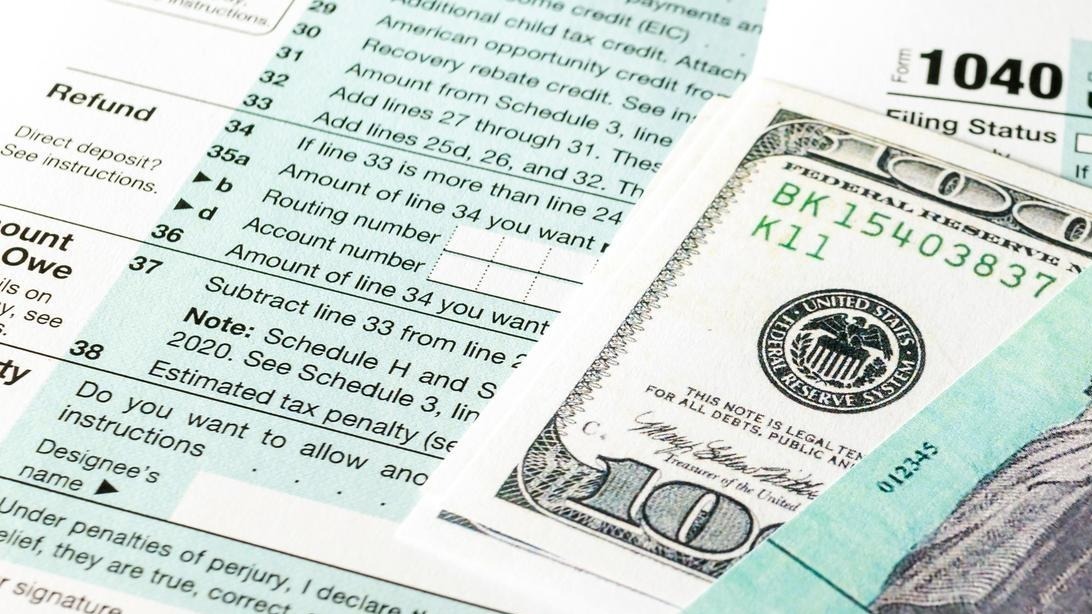
Taxpayers who filed electronically and chose direct deposit this season received refunds in fewer than 21 days in the vast majority of cases, while those who mailed paper returns faced waits of six weeks or longer. The IRS issues more than nine out of ten refunds in less than 21 days when both e-filing and direct deposit are used, and its processing status page confirmed as recently as July 2, 2026, that electronically filed Form 1040 returns are generally handled within that same 21-day window. For paper filers, the gap is far wider, and a federal oversight report found the agency already missed its own processing targets during the 2024 filing season.
Speed gap between e-filed and mailed returns in 2026
The IRS sets two distinct timelines for individual returns. E-filed returns carry a three-week benchmark from the date of submission, while mailed returns take six or more weeks from the date the agency receives the paper form. That difference alone can mean an extra month or more before money reaches a taxpayer’s bank account, and the real-world delay often stretches further when mail transit, manual data entry, and error correction are factored in.
Direct deposit eliminates one more bottleneck. The IRS allows filers to split a refund across up to three accounts, and the agency actively encourages this option because electronic payments cost a fraction of what paper checks require to print and mail. Taxpayers who pair e-filing with direct deposit into multiple accounts sit at the front of the processing queue. Refund tracking through the Where’s My Refund tool becomes available within 24 hours after the IRS acknowledges an e-filed return, giving those filers near-immediate visibility into their payment status.
GAO audit reveals paper processing fell short of IRS targets
Federal accountability data adds weight to the speed argument. According to the U.S. Government Accountability Office, the IRS averaged 20 days to process individual paper Form 1040 returns during the 2024 filing season, missing its own 13-day goal. That 20-day average covers only the initial processing step, not the full cycle from receipt to refund delivery. When combined with the six-or-more-week timeline the IRS itself publishes for mailed returns, paper filers face a processing chain that can stretch into months if corrections or additional review are needed.
The IRS processing status page, updated July 2, 2026, lists which months of paper returns the agency is currently working through, a detail that reveals ongoing backlogs. Electronically filed returns, by contrast, move through automated systems that the agency has steadily expanded. The IRS filing-season announcement earlier this year again urged taxpayers to choose e-filing to speed processing, a message repeated every year but backed by widening performance data showing paper consistently lags.
Backlogs, averages, and what they mean for taxpayers
One tension in the data deserves attention. On paper, the IRS says it can turn around most mailed returns in roughly six to eight weeks, yet the Government Accountability Office’s 20-day processing average for paper forms reflects only the time it takes to input and initially review a return. The agency’s own processing status updates sometimes show it still working through paper submissions from prior months, suggesting that averages can mask pockets of much longer delays.
For an individual filer, that distinction matters. A clean paper return mailed early in the season may move close to the published timetable, but a return that arrives during a surge or contains mismatched information can be pulled into manual review, adding weeks beyond the baseline. By contrast, e-filed returns pass through automated checks that catch common math errors instantly and prompt taxpayers or software providers to correct issues before the return ever reaches an IRS employee.
Backlogs are also uneven across return types. While the headline numbers focus on individual Form 1040 filings, the status page tracks a range of forms, some of which show more congestion than others. That means two taxpayers who file on the same day using different forms or methods can experience very different timelines, even if both are ultimately owed refunds.
How filers can shorten the wait
Taxpayers cannot control every factor that affects refund timing, but they can stack the odds in their favor. Filing electronically, opting for direct deposit, and submitting a complete and accurate return remain the three biggest levers. Using reputable tax software or a professional preparer helps reduce basic mistakes, while double-checking Social Security numbers, bank routing details, and dependent information can prevent avoidable holds.
Timing also plays a role. Returns filed in the first weeks of the season often move more quickly than those submitted near the April deadline, when volume peaks and the risk of bottlenecks rises. Taxpayers who anticipate claiming complex credits or reporting multiple income streams may benefit from organizing documents early so they can file electronically without rushing.
Finally, once a return is submitted, the IRS recommends that taxpayers rely on its online tools rather than calling for status checks. The Where’s My Refund system and the agency’s processing timetable page provide more up-to-date information than call centers can typically offer, and frequent phone inquiries do not accelerate individual cases. For most filers, the path to a faster refund is clear: e-file, choose direct deposit, and let the IRS’s automated systems do their work.