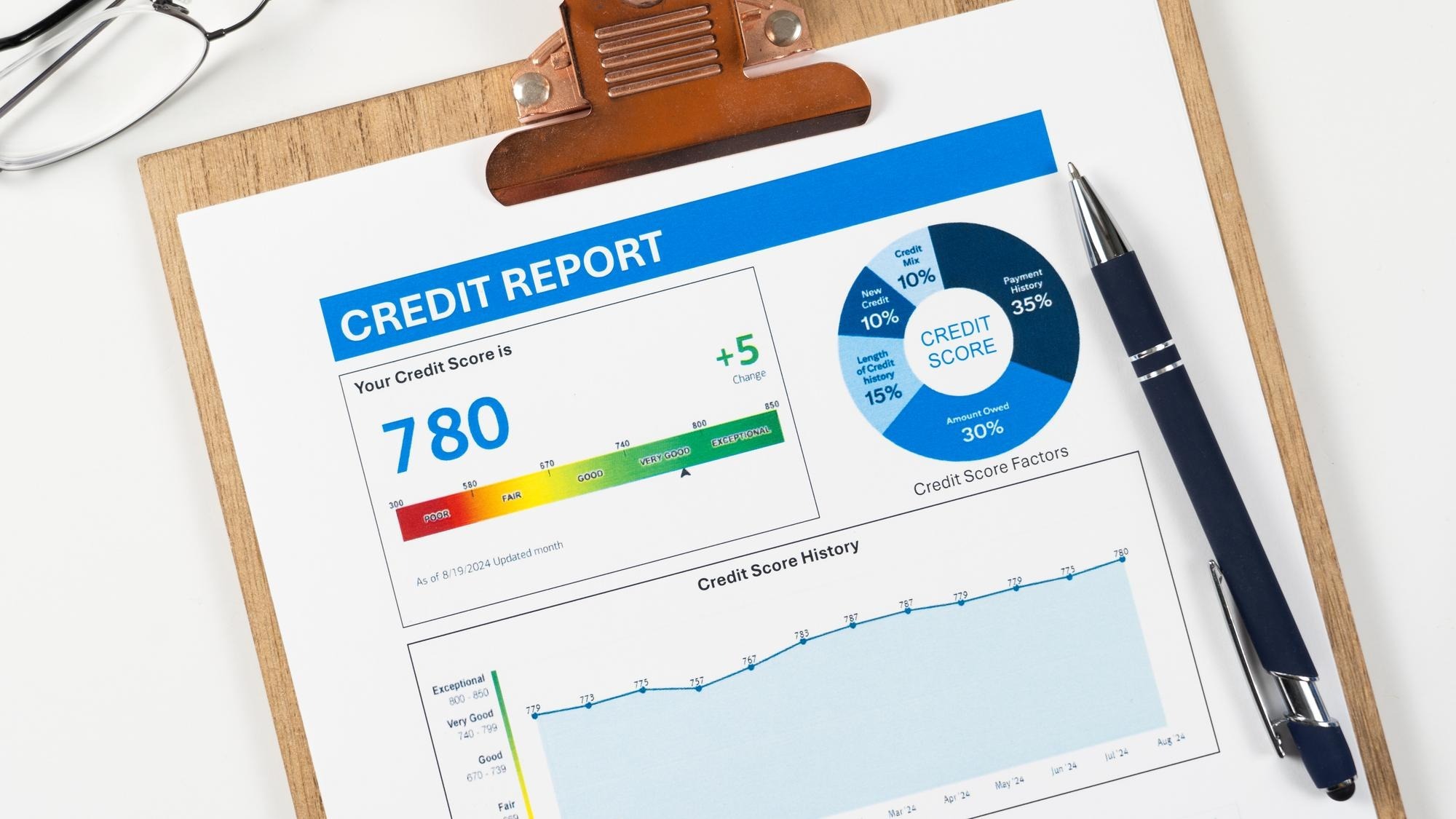
Every person in the United States can now pull a credit report from Equifax, Experian, and TransUnion once a week, every week, at no cost. The three major bureaus made this access permanent through AnnualCreditReport.com, expanding on a federal law that originally guaranteed only one free report per bureau per year. For anyone applying for a mortgage, disputing a billing error, or watching for signs of identity theft, the shift from annual to weekly access changes how quickly problems can be caught and fixed.
Weekly Free Reports and What Changed for Consumers
Federal law under Section 1681j of the U.S. Code established the baseline: consumers are entitled to one free file disclosure every 12 months from each consumer reporting agency. That statute created the legal foundation for AnnualCreditReport.com, the only federally authorized website for requesting those reports. The weekly option goes well beyond that statutory floor. All three bureaus voluntarily extended a pandemic-era pilot into a permanent program, giving consumers the ability to check each report as often as once per week without paying a fee.
The practical difference is significant. Under the old annual schedule, an error or a fraudulent account could sit undetected for months. Weekly access compresses that window dramatically. A consumer who spots a wrong address or an unfamiliar credit inquiry within days of its appearance can file a dispute while the trail is still fresh, rather than discovering the problem nearly a year later when applying for a car loan or apartment lease.
More frequent access also changes how people can use their reports proactively. Someone preparing for a major loan can monitor how new accounts, balance changes, or closed cards appear across the three bureaus in near real time. Consumers working to rebuild credit can verify that on-time payments and corrected errors are actually being reported, instead of waiting many months to see whether their efforts are reflected in the files lenders see.
How the FTC Confirmed Permanent Weekly Access
The Federal Trade Commission issued a consumer alert confirming that free weekly reports through AnnualCreditReport.com are now a permanent feature. In that alert, the agency emphasized that consumers should reach the site by typing the URL directly into their browser and warned that copycat websites may try to charge fees or harvest personal data while posing as legitimate providers of free reports. The FTC underscored that AnnualCreditReport.com is the only website authorized under federal law to provide the free file disclosures described in the statute.
Beyond the alert, the FTC’s credit FAQs reiterate that the three nationwide bureaus have permanently extended the weekly-access program. That guidance explains that consumers can obtain their reports online, by phone, or through the mail, and that no credit card number is required to make a request. Federal consumer education materials on other government sites echo the same message, reflecting a coordinated effort to steer people toward the official portal and away from commercial services that may bundle “free” trials with recurring charges.
The FTC’s consumer alert also connects weekly access to broader identity-theft prevention. By checking reports regularly, consumers can look for new accounts they did not open, incorrect personal information, or sudden changes in account status. When those red flags appear, the FTC advises acting quickly with disputes, fraud alerts, or credit freezes as appropriate, rather than waiting until a denied loan application reveals that something is wrong.
Potential Effects on Disputes and Error Detection
One hypothesis worth tracking is whether widespread weekly monitoring will shift the types of disputes consumers file. If people check reports more often, they are more likely to catch recent errors, such as a newly reported wrong address or an account opened days ago by a fraudster, rather than older inaccuracies that have lingered for years. No public data yet confirms or denies that pattern, but the logic follows directly from the shorter detection window that weekly access creates.
Weekly access could also change how quickly systemic reporting problems come to light. When many consumers see the same creditor misreporting limits or balances in the same timeframe, patterns may emerge faster, prompting earlier complaints to regulators or direct outreach to the lender. In theory, that could shorten the lifespan of widespread errors that might otherwise persist unnoticed until annual checks or major life events brought them to the surface.
Open Questions About Weekly Credit Report Access
Several gaps remain in the public record. None of the three bureaus have disclosed how many consumers actually request weekly reports or how request volumes have changed since the program became permanent. Without that data, it is difficult to measure whether the policy is reaching the people who need it most, including those with thin credit files, recent fraud exposure, or limited access to financial education.
There is also no official breakdown of who is using the service most frequently. It remains unclear whether weekly access primarily benefits already-engaged consumers who were checking their reports annually before, or whether it has meaningfully expanded participation among people who had never pulled a report at all. Likewise, there is no published evidence yet on whether lenders are seeing fewer surprise disputes at the point of application because errors are being caught and corrected earlier.
Those unanswered questions do not change the core fact that consumers now have far more visibility into their credit files than federal law alone requires. But they do shape how policymakers, advocates, and the bureaus themselves might evaluate the success of permanent weekly access. As more data becomes available, it may clarify whether this expanded right is simply a convenience for diligent credit watchers or a broader tool that measurably reduces fraud losses, dispute backlogs, and the long-term harm caused by lingering errors in the nation’s credit reporting system.