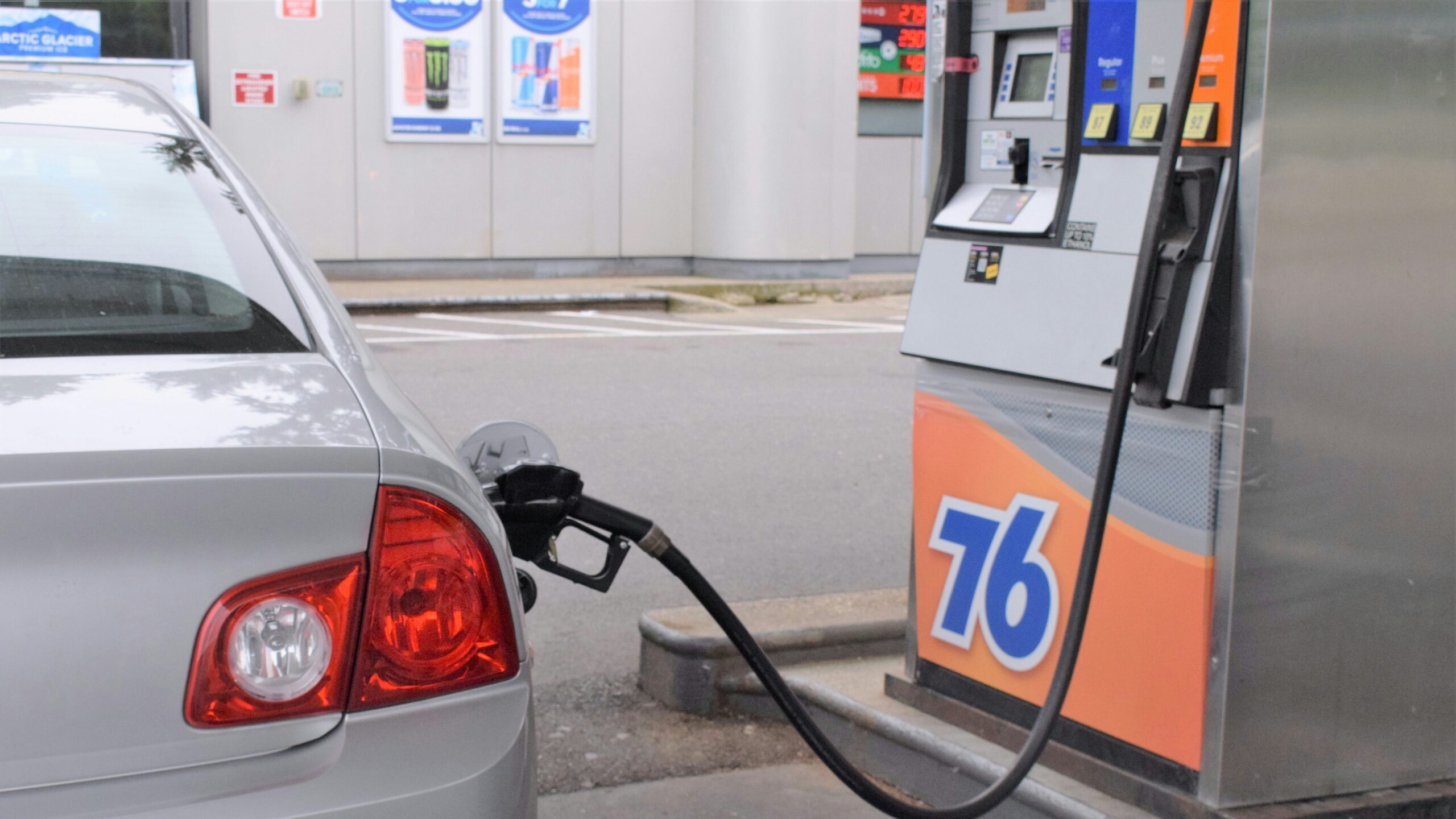
California drivers are paying more at the pump starting July 1, 2026, as the state’s gasoline excise tax rose to 63.4 cents per gallon. The increase, which took effect automatically through an annual inflation adjustment, applies to every gallon of motor vehicle fuel sold statewide through June 30, 2027. Combined with a federal excise tax of 18.4 cents per gallon and a separate statewide sales tax rate, the new rate means California continues to carry one of the heaviest fuel-tax burdens in the country.
Why the 63.4-cent rate hits household budgets right now
The new excise tax rate of $0.634 per gallon is not a legislative decision that lawmakers debated and voted on. It is the product of a formula written into state law that ties the annual July 1 adjustment to the percentage change in the California Consumer Price Index. The California Department of Finance calculates that index as a population-weighted average of Bureau of Labor Statistics local area CPI data, meaning the tax tracks the same cost pressures that are already squeezing household budgets.
That automatic escalator creates a compounding effect. Each year’s base becomes the floor for the next adjustment, so even modest inflation readings translate into a permanent ratchet on per-gallon costs. For a driver filling a 15-gallon tank once a week, even a small cent-per-gallon increase adds up over 52 fill-ups. The excise tax alone, before any other levies, now accounts for a significant share of what Californians pay at the pump, and the effect is most noticeable for commuters and delivery workers who log high annual mileage.
The excise tax is only one layer. According to the California Department of Tax and Fee Administration, the federal gasoline excise tax stands at 18.4 cents per gallon, and the statewide sales tax rate on motor vehicle fuel is 2.25 percent plus applicable district taxes. A separate wholesale sales-tax prepayment of 8.0 cents per gallon also applies for the July 2026 through June 2027 period. Retailers typically pass each of these charges through to the consumer, which means the total government take on a single gallon extends well beyond the excise tax headline number.
How the CPI formula and layered taxes shape the final price
The California Department of Finance publishes its inflation methodology, which drives the annual excise-tax reset. Because the formula relies on a state-specific CPI rather than the national index, California’s adjustment can diverge from cost trends in other states. Housing costs, utility rates, and food prices in metropolitan areas such as Los Angeles and San Francisco carry outsized weight in the population-weighted average, potentially pushing the state CPI higher than the national figure even in years when energy prices are flat.
Those CPI dynamics matter because the gasoline excise tax is indexed to the percentage change in that California measure. When the index rises, the per-gallon rate is adjusted upward by a corresponding percentage, rounded as required under statute. When inflation is elevated for several years in a row, the compounding effect can be substantial, locking in higher fuel-tax baselines even if inflation later cools. The structure is designed to preserve the real purchasing power of transportation revenues, but it does so by shifting inflation risk directly onto drivers.
One area of minor ambiguity in the official records involves how the sales tax is described relative to the excise tax and other fuel charges. The statewide 2.25 percent sales tax on motor vehicle fuel is calculated on the taxable selling price, which already includes the embedded excise taxes and certain other fees. That means consumers are effectively paying a percentage tax on top of per-gallon taxes, a layering that can make the true tax component of the pump price difficult to see. District add-ons, which vary by city and county, further complicate the picture and help explain why prices can differ sharply between neighboring jurisdictions.
Industry guidance from the tax agency underscores this complexity. The state’s motor fuel tax materials describe how excise taxes, sales taxes, and prepayments interact at different points in the distribution chain, from refiners and terminal operators to retail stations. While those rules are written for businesses, the economic incidence ultimately falls on end users, as each intermediary builds tax and compliance costs into the price charged to the next buyer.
What higher fuel taxes mean for California’s roads and drivers
Supporters of the inflation-indexed structure argue that keeping fuel taxes aligned with consumer prices is essential for maintaining highways, bridges, and transit systems. Construction materials, labor, and equipment all become more expensive when inflation rises, and a static per-gallon tax would gradually lose its ability to fund long-term projects. Indexation, they say, avoids the need for periodic, politically difficult tax hikes by letting the rate adjust automatically in the background.
For drivers, however, the experience is more immediate. The July 2026 adjustment arrives amid broader cost-of-living pressures, from rent and mortgages to utilities and groceries. Because the excise tax is levied per gallon rather than as a percentage of the transaction, it functions like a flat surcharge that hits lower-income households particularly hard. People who cannot easily switch to electric vehicles, move closer to work, or access reliable public transit bear the brunt of each additional cent at the pump.
In the short term, the new 63.4-cent rate is unlikely to dramatically change driving behavior on its own, but it does reinforce a longer-running trend of higher baseline fuel costs in California compared with most of the country. Over time, that differential may continue to influence decisions about vehicle purchases, commuting patterns, and even business location choices. For now, motorists will see the impact every time they fill up, as the state’s inflation formula quietly converts macroeconomic data into a very visible line on their receipts.