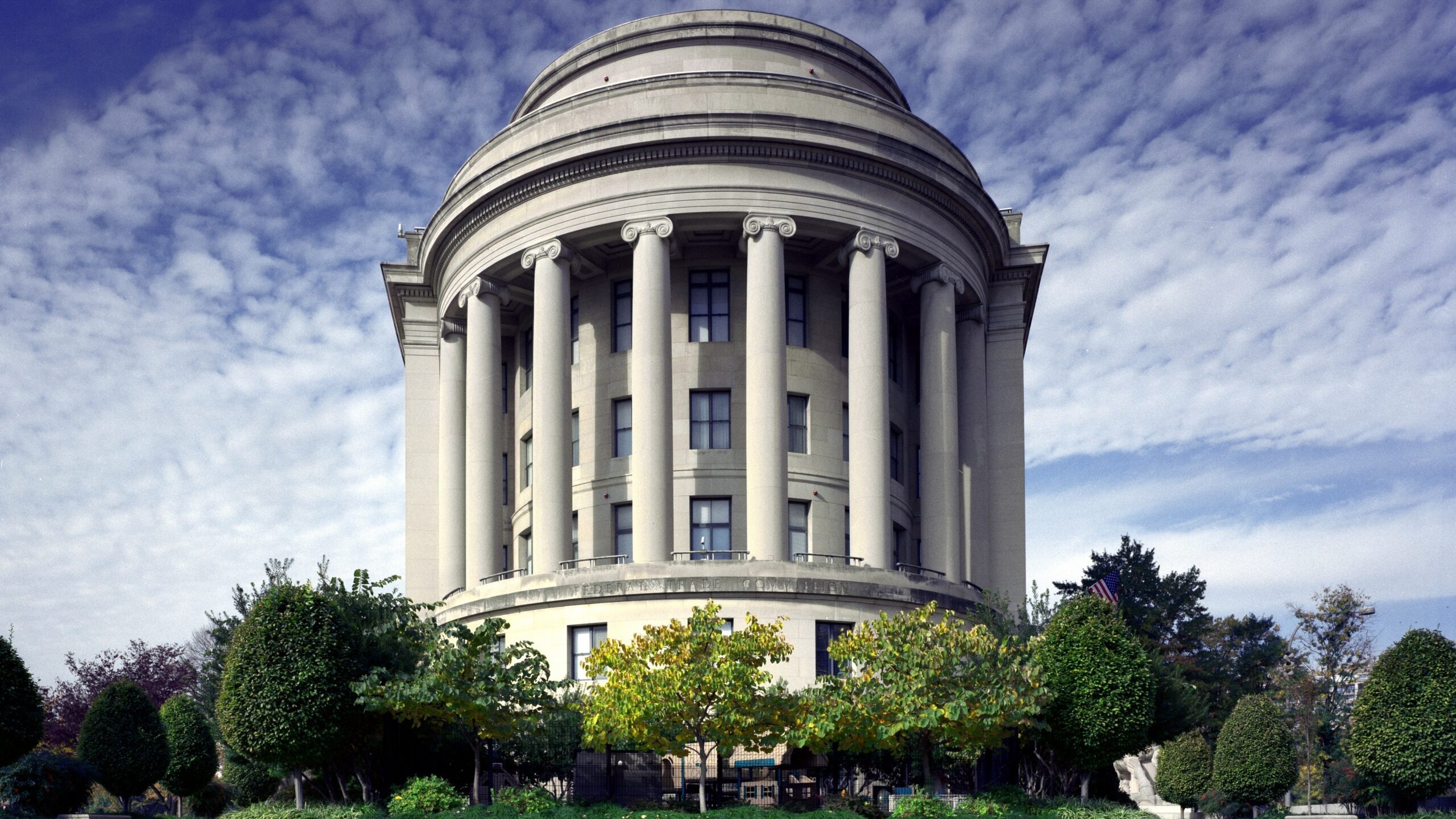
Nearly 63,000 gig workers who cleaned homes and assembled furniture through the Handy platform are receiving checks from the federal government after regulators found the company advertised pay rates most workers never actually earned. The Federal Trade Commission is distributing more than $2.7 million to 62,893 people who worked for Handy Technologies between January 2019 and November 2024, resolving a case that accused the company of inflating hourly earnings and burying fees that ate into workers’ take-home pay.
Why 62,893 Handy workers are getting checks now
The payments follow a settlement the FTC and the New York Attorney General announced in early 2025, which required Handy to pay $2.95 million in monetary relief. Regulators alleged the company ran recruitment ads promoting high hourly rates that did not reflect what the vast majority of workers actually took home after deductions and penalties. The complaint also charged that Handy failed to clearly disclose fines for incomplete or canceled jobs and charged an expedite fee for faster payment without telling workers upfront.
Handy Technologies does business as Angi Services and has been part of Angi Inc. since 2018, when the parent company acquired the platform. Angi also operates Angie’s List and HomeAdvisor, according to its annual SEC filing. The enforcement action targeted the subsidiary’s practices, not the broader Angi brand portfolio, but the case puts a spotlight on how large platform companies handle earnings disclosures for independent contractors who lack traditional workplace protections.
The gap between the $2.95 million settlement amount and the more than $2.7 million being distributed reflects standard administrative costs in FTC redress programs. Each check represents a share of the fund, though the agency has not published a detailed breakdown of individual payment amounts or the exact formula used to calculate them. Some workers may receive larger payments based on how much they earned through the platform and the time period they were active, while others will receive smaller amounts reflecting more limited use.
Inflated ads and hidden fees at the center of the FTC case
The core of the government’s complaint was straightforward: Handy told prospective workers they could earn attractive hourly rates, but those numbers did not match reality for most people who signed up. According to the FTC, the company used inflated earnings claims in marketing materials to recruit cleaners and handypeople, presenting optimistic pay figures that did not account for platform fees, customer cancellations, and penalties that reduced actual earnings.
Once workers started accepting jobs, they encountered fees and fines that the company had not clearly disclosed during the recruitment process. The complaint describes penalties for being late, leaving early, or receiving customer complaints, as well as charges imposed when a worker could not complete a booking. Because these deductions were not clearly explained upfront, regulators said workers could not reasonably assess whether the advertised hourly rates were achievable in practice.
One specific practice drew particular scrutiny. Handy promoted the ability to get paid quickly but did not tell workers that accessing their earnings faster required paying an expedite fee. For workers relying on gig income to cover immediate expenses, that hidden cost directly reduced the value of the work and effectively lowered the hourly rate. The FTC said these pay-immediacy representations omitted material information that would have mattered to reasonable workers deciding whether to sign up or how to manage their cash flow.
The agency emphasized that companies recruiting gig workers must be transparent about the full range of deductions and conditions that affect earnings. In addition to the monetary relief, the settlement imposed injunctive provisions requiring Handy to clearly disclose how advertised pay is calculated, when and how workers can be fined, and what fees apply to optional services like expedited payouts.
How the refund program works
The FTC’s refund program confirms that eligible recipients worked for Handy during the window from January 2019 through November 2024 and were affected by the challenged practices. The agency obtained worker contact information from Handy and is mailing checks directly; workers do not need to file a claim to receive payment. The FTC advises recipients to cash or deposit their checks within 90 days of the issue date to ensure they can access the funds.
According to a separate FTC announcement, the total distribution exceeds $2.7 million and reaches 62,893 people nationwide. The agency notes that any money that cannot be delivered-for example, because of outdated addresses or uncashed checks-may be sent in a future distribution if additional current contact information becomes available, or otherwise returned to the U.S. Treasury as required by law.
Workers who believe they were affected but do not receive a check are encouraged to contact the FTC’s refund administrator using the information listed on the program page. The agency also warns recipients to be wary of scammers: it does not charge fees or ask for bank account passwords to distribute refunds, and any such request should be treated as fraudulent.
What the case means for gig work platforms
The Handy settlement underscores growing regulatory scrutiny of how gig platforms market earnings to prospective workers. While many companies classify cleaners, drivers, and delivery workers as independent contractors, regulators have been clear that consumer protection laws still apply to recruitment advertising and representations about pay. The case signals that platforms can face financial penalties and injunctive relief if they overstate likely earnings or conceal material fees and penalties.
For gig workers, the checks arriving now provide some compensation for past practices, though the amounts will not fully resolve broader concerns about pay volatility and transparency in app-based work. For companies, the enforcement action serves as a warning that future marketing must align more closely with what workers actually receive after all deductions, and that any optional fees tied to faster access to earnings must be clearly and prominently disclosed before people sign up.


