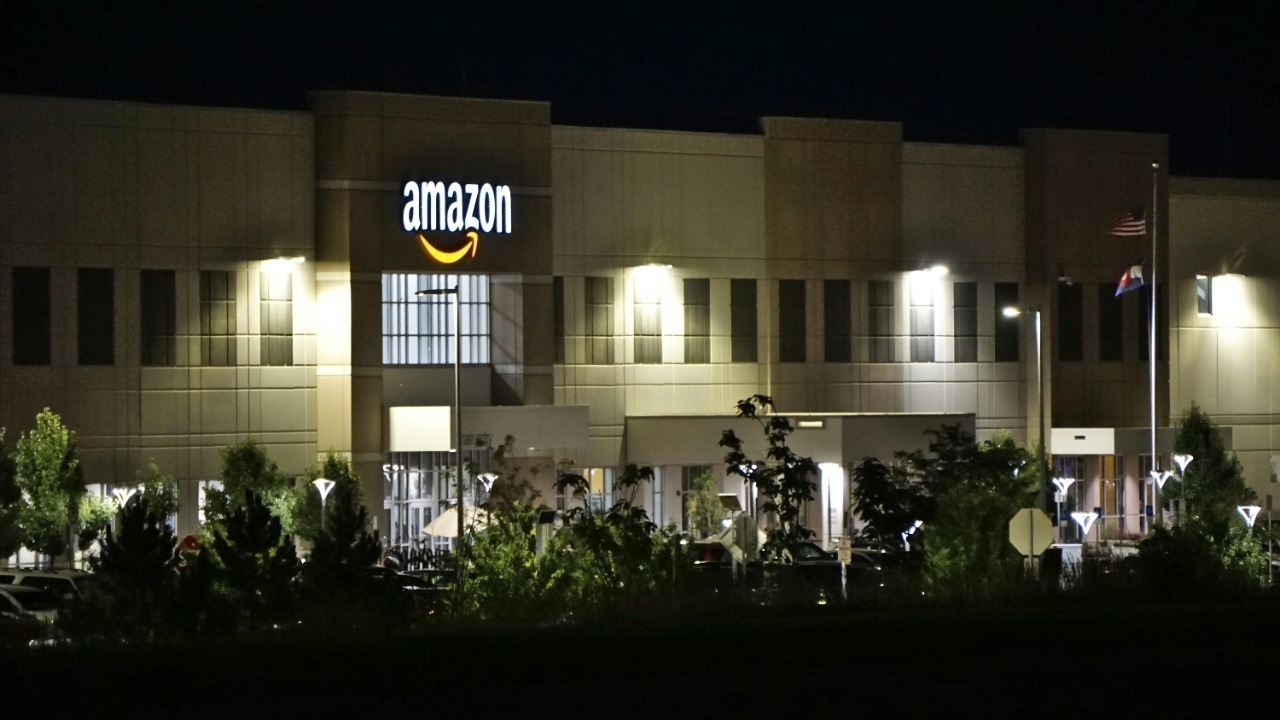
More than 600 workers at an Amazon distribution warehouse in South Dade face job losses after the company confirmed plans to close the facility, triggering an enforcement fight with Miami-Dade County over a 2020 land deal that required Amazon to create and maintain hundreds of permanent positions. County Commissioner Danielle Cohen Higgins has publicly challenged the closure as a breach of the deed restrictions attached to the property, setting up a test of whether local governments can hold large corporations to job commitments years after incentive-backed land sales close.
County enforcement and the 2020 land deal behind the closure
The conflict traces back to a 2020 county commission action that approved the sale of approximately 76.862 acres to Amazon.com Services, LLC. That land-sale resolution required the company to build a distribution building of no less than 1,000,000 square feet and to create and maintain at least 325 permanent jobs at a specified wage. The terms were embedded in a Declaration of Restrictions recorded with the deed, meaning they run with the land rather than expiring when political leadership changes.
Amazon’s planned closure and elimination of existing jobs for two years directly conflicts with those recorded obligations, according to the county’s position in a 2026 legislative filing. That enforcement item documents the county’s formal stance that the shutdown violates the Declaration of Restrictions tied to the original land conveyance and directs the administration to pursue remedies. Commissioner Cohen Higgins has framed the dispute as a matter of basic accountability, arguing that the county did not transfer public land for a short-lived facility that could be mothballed at the company’s discretion.
In a separate county news release, she emphasized that the declaration was designed to protect residents and taxpayers by locking in job creation promises over time. The statement outlines her request for a full report on Amazon’s compliance with the deed conditions and potential enforcement actions, including financial penalties or other legal steps available under the recorded restrictions.
What the Declaration of Restrictions can actually force
The central question is whether a deed restriction negotiated during a land sale can compel a company the size of Amazon to either keep a warehouse open or pay a recorded penalty. The Declaration of Restrictions was not a handshake deal or a nonbinding memorandum of understanding; it was recorded in the Official Records Book as part of the property transfer, giving the county a legal instrument tied directly to the real estate. Property records available through the Miami-Dade Property Appraiser and Tax Collector confirm the parcel details underlying the agreement and show Amazon as the current owner of the warehouse site.
If enforcement succeeds, the county could pursue a penalty payment or require Amazon to present a revised job-maintenance schedule that keeps at least 325 positions in place for the duration specified in the declaration. Either outcome would likely appear in subsequent county commission filings over the next year, offering a public paper trail of negotiations or sanctions. If the county lacks practical leverage, the episode would signal to other municipalities that deed-based job commitments carry limited teeth against companies willing to absorb reputational or financial costs.
The 325-job minimum written into the 2020 agreement is far below the 600-plus positions reportedly at stake. That gap raises a separate question: how many workers above the contractual floor had been employed at the facility, and whether Amazon’s obligation extends only to the 325 threshold or to the broader workforce that filled the building. The available county filings do not specify the current headcount or clarify how the contractual minimum interacts with actual staffing levels, leaving workers and local officials to speculate about how many jobs, in legal terms, the county can truly insist on preserving.
Unanswered questions for displaced workers and South Dade
For employees, the immediate concern is what comes next. The enforcement directive does not spell out any requirement that Amazon offer transfers, severance, or retraining assistance beyond whatever the company chooses to provide internally. Workers who were hired on the expectation of long-term employment tied to a publicly backed project now face a job market shift that local leaders worry could strain already limited opportunities in South Dade.
The region had counted on the warehouse as an anchor employer, both for direct jobs and for spillover benefits to nearby businesses that serve the facility and its workforce. A prolonged shutdown would ripple through contractors, transportation providers, and small retailers that depend on warehouse traffic. County officials have not yet detailed a contingency plan for replacing the lost employment base if enforcement efforts fail to keep Amazon operating or to secure a successor user for the site.
The dispute also leaves broader policy questions unresolved. If a high-profile, recorded declaration tied to a major corporation can be set aside with limited consequence, communities may question the value of future job-creation promises linked to land sales or tax incentives. On the other hand, if Miami-Dade successfully compels compliance or secures meaningful penalties, the case could become a template for other local governments seeking to enforce long-term employment commitments.
For now, the South Dade warehouse stands at the center of a legal and political test that extends beyond a single facility. The outcome will shape not only the futures of hundreds of workers, but also how far local governments are willing-and able-to go in holding corporate partners to the promises that justified public support in the first place.